Facebook Pixel
New Patients – Get 10% Off Your First Consultation with Code: NEW10 at Checkout

Estradot Patches

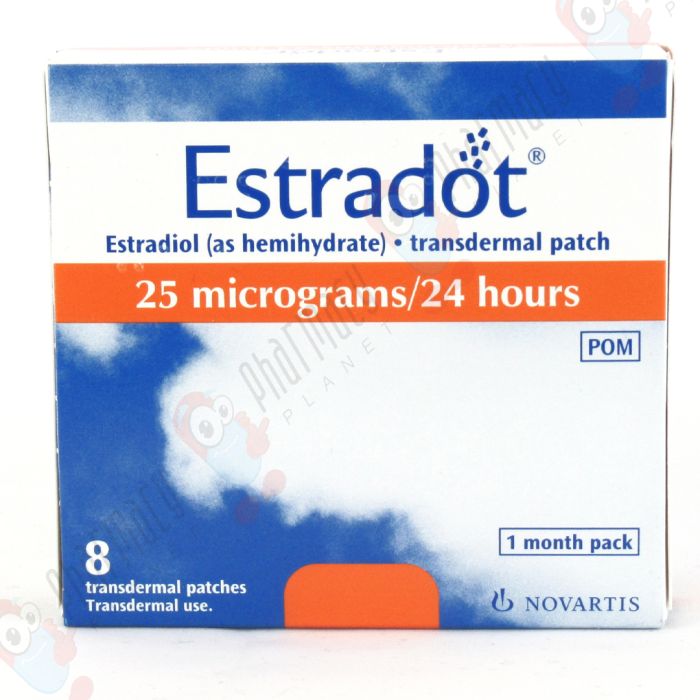
*If this medication is unavailable, our clinical team will reach out to you to offer suitable alternatives.* Estradot is a hormone replacement therapy (HRT), also called hormone replacement therapy (HRT), for women. Estradot patches contain the active ingredient estradiol, a natural form of the main female sex hormone, estrogen. They are used to relieve menopausal symptoms. Estradot patches are sold by prescription only. By restoring the body's hormonal balance, Estradot reduces or prevents menopausal symptoms. Since the patches contain the only estrogen, they are best suited for women who have had a hysterectomy.

Consult
Select
Checkout
01
Select

the items you wish
to order

02
Order reviewed

by our qualified
prescriber

03
Delivered

to your door step

Your Selection

Please use the options provided to make your final selection.

prodName
Estradot Patches
£57
Total
Consult
Select
Checkout
Please make a selection

Please note that whilst you are able to request the medicine strength and size required,
we will only be able to send on approval from our in house pharmacist.

Starts at £57.00
Manesha
You’re almost there!

It is the prescribers duty to ensure that the medicine is being used safely and appropriately. please answer a few questions about yourself to help us process your request.

- Manesha

Customer Service Team

Confidentiality & Authenticity Assured

  • Fully Regulated UK Pharmacy
  • Authentic UK sourced medicines only.
  • Trading for more than 10 years.
  • Information Governance lead ensures all data is confidential

Need Help With Your Questionnaire?

Our customer service team is on hand Monday-Friday to help you with your queries.

Please call us on 08009788956 or
email us at: headoffice@pharmacyplanet.com

Price Comparison

Select your preferred options and see the best price

PackPrice (£)
-25mcg48 Patches (6 Months)113.00
-25mcg24 Patches (3 Months)57.00
-37.5mcg48 Patches (6 Months)113.00
-37.5mcg24 Patches (3 Months)57.00
-50mcg48 Patches (6 Months)113.00
-50mcg24 Patches (3 Months)57.00
-75mcg48 Patches (6 Months)113.00
-75mcg24 Patches (3 Months)57.00
-100mcg48 Patches (6 Months)113.00
-100mcg24 Patches (3 Months)57.00

It looks like you missed filling in questions from the last consultation.Click Here to submit your response.

  • No hidden fees

  • Secure checkout

  • UK Regulated online pharmacy

  • Trusted by over 100,000+ customers

Estradot Patches | Transdermal Oestrogen HRT for Menopausal Symptoms

Five Strengths, One Consistent Goal: Introducing Estradot

Estradot Patches are a transdermal oestrogen-only hormone replacement therapy (HRT) that delivers a precisely measured dose of oestradiol directly through the skin into the bloodstream. Available in five strengths, 25 mcg, 37.5 mcg, 50 mcg, 75 mcg, and 100 mcg, Estradot offers one of the most granular dose ranges in the transdermal HRT category. This breadth of options allows prescribers to tailor the starting dose and any subsequent adjustments with greater precision than products offering fewer strength options.

The menopause is not a fixed hormonal event but a transition that unfolds differently in every woman. Symptom severity, hormonal history, body composition, and prior treatment experience all influence how much oestrogen a woman may need and how her body responds to it. Estradot's five-strength range reflects that clinical reality, providing a graduated pathway from a cautious starting point to a fully therapeutic dose.

This page provides factual clinical information about Estradot Patches to support your understanding before a consultation. Only a registered prescriber can determine whether this or any HRT is appropriate for you, following a thorough clinical assessment.

Smaller Patch, Broader Range: The Estradot Difference

Estradot is a matrix-type transdermal patch. Unlike reservoir patches, which house oestradiol in a separate gel compartment behind a rate-controlling membrane, Estradot uses a matrix design in which oestradiol is dissolved directly within the adhesive layer. This construction results in a thinner, smaller, and more flexible patch profile compared with reservoir-type alternatives, while still delivering oestradiol at a controlled rate throughout the wearing period.

The matrix construction has practical advantages. The patch lies flat and conforms closely to the skin, which some women find more comfortable and less visible under clothing. The absence of a fluid reservoir also means that matrix patches are generally less likely to leak if the patch surface is accidentally punctured or damaged.

Each Estradot patch contains oestradiol hemihydrate as its sole active ingredient and no progestogen. It is classified as a Prescription Only Medicine, manufactured by Novartis Pharmaceuticals UK Ltd, and each pack contains eight patches covering one monthly cycle of twice-weekly use. Women who retain their uterus require a separately prescribed progestogen to protect the womb lining. Women who have had a hysterectomy may use oestrogen-only therapy without this addition.

From Skin to Symptom Relief: The Science of Matrix Delivery

When an Estradot patch is applied, oestradiol within the matrix adhesive layer creates a concentration gradient between the patch and the skin surface. This gradient drives passive diffusion of oestradiol through the stratum corneum, the outermost skin barrier, and into the dermal capillary network below. From there, oestradiol enters systemic circulation and travels to oestrogen receptor sites throughout the body.

Because this absorption pathway bypasses the gastrointestinal tract and the liver, Estradot avoids the first-pass hepatic metabolism associated with oral oestrogen tablets. First-pass metabolism in the liver can amplify the production of certain clotting factors and raise triglyceride levels, effects that contribute to the higher venous thromboembolism risk seen with oral oestrogen. Transdermal delivery, including the matrix route used by Estradot, does not produce the same hepatic stimulation, which is why observational evidence associates transdermal oestrogen with a lower thromboembolism risk in otherwise eligible women.

The matrix design of Estradot also contributes to pharmacokinetic consistency. Because oestradiol is distributed uniformly throughout the adhesive layer, the rate of diffusion into the skin remains relatively stable across the full wearing period. This supports a steady-state serum oestradiol profile, reducing the hormonal peaks and troughs that can contribute to symptom variability between doses.

Restored oestradiol levels act across multiple physiological systems. In the hypothalamus, oestrogen stabilises the thermoregulatory set point, reducing the frequency and intensity of hot flushes and night sweats. In the urogenital tissues, it restores cellular integrity to the vaginal epithelium and supports bladder function. In the skeletal system, oestrogen inhibits osteoclast-driven bone resorption, helping to preserve bone mineral density and reduce the risk of osteoporosis.

Applying Estradot: Precision Technique for Consistent Results

Selecting and Preparing the Application Site

Choose a site on the lower abdomen, below the navel, or the upper outer buttock. The skin must be clean, dry, and intact. Avoid areas with skin folds, cuts, rashes, or irritation. The waistline should be avoided because friction from clothing waistbands can displace the patch. The breasts are not a suitable application site. Allow skin to dry fully after washing before applying the patch, and avoid applying body lotion or oil to the site on the day of application.

Applying the Patch Correctly

Open the sachet and remove the patch. Peel away one section of the protective release liner without touching the adhesive surface. Press the exposed adhesive side firmly onto the prepared skin site. Fold back the remaining liner section and press the rest of the patch flat. Hold the patch in place with your fingertips for at least 30 seconds, paying particular attention to the edges. The patch should adhere smoothly with no air pockets or lifted edges.

Estradot's matrix construction means the patch is thinner and more pliable than reservoir alternatives. It should sit close to the skin surface and be largely undetectable under light clothing. The patch remains in position during bathing and light swimming, though sustained immersion in very hot water may soften the adhesive. Allow the skin to cool and dry before applying a replacement patch if the original has been dislodged.

Rotation and the Twice-Weekly Schedule

Change your Estradot patch every three to four days, twice weekly. Consistency matters: choosing fixed days, for example every Monday and Thursday, reduces the risk of inadvertently extending the wearing period and helps maintain stable oestradiol levels. Rotate the application site with each change. Do not apply a new patch to the same area of skin used in the previous week. Consistent rotation reduces cumulative skin irritation and supports sustained adhesive effectiveness.

Removing and Disposing of Used Patches

Peel the used patch away slowly at a low angle to minimise skin irritation. Fold the patch in half, adhesive sides facing inward, and place it in your household waste. Do not flush used patches down the toilet. Even after the wearing period, matrix patches retain residual oestradiol within the adhesive layer, and flushing contributes to environmental oestradiol contamination of waterways. Unused, damaged, or out-of-date patches should be returned to your pharmacy.

The Five-Strength Ladder: Choosing and Adjusting Your Dose

Estradot is the only transdermal oestrogen patch in the UK range to offer five distinct strengths, including the 37.5 mcg option that sits between the conventional 25 mcg and 50 mcg starting points. This intermediate strength is clinically useful for women who find the 25 mcg patch insufficient but do not yet require a full 50 mcg dose, or for those stepping down from a higher dose. The table below outlines the full range:

StrengthRelease ratePatch areaChange frequencyPack size
25 mcg25 mcg / 24 hrs7.5 cm²Twice weekly8 patches
37.5 mcg37.5 mcg / 24 hrs11 cm²Twice weekly8 patches
50 mcg50 mcg / 24 hrs14.5 cm²Twice weekly8 patches
75 mcg75 mcg / 24 hrs22 cm²Twice weekly8 patches
100 mcg100 mcg / 24 hrs29 cm²Twice weekly8 patches

Clinical Starting Point

For most women beginning HRT for the first time, current guidance supports starting at the lowest dose that provides adequate symptom relief. The 50 mcg patch is a widely used starting point. Where a more cautious introduction is clinically indicated, for example in women who are very sensitive to hormonal change, who have been postmenopausal for many years, or who have specific risk factors, the 25 mcg or 37.5 mcg patch offers a graduated alternative.

Review and Titration

Your prescriber will typically reassess your response to the starting dose after around three months. At that point they will consider whether symptoms are adequately managed, whether any unwanted effects have emerged, and whether a dose adjustment is warranted. The granularity of Estradot's five-strength range supports stepwise titration in either direction without requiring a switch to a different product. This continuity of brand and delivery system can simplify the prescribing and dispensing process for women who need dose adjustment over time.

Progestogen Co-prescribing

Because Estradot contains oestrogen only, women with an intact uterus must use a progestogen concurrently to protect the endometrium. The progestogen may be prescribed as a separate oral tablet taken cyclically or continuously, as a progestogen-releasing intrauterine device, or through another licensed HRT product. Your prescriber will determine the most appropriate approach based on your clinical profile.

Reading Your Body's Response: Side Effects and Safety Signals

Patch Site Reactions: Specific to Transdermal Use

The skin is both the delivery route and the first point of contact for Estradot, so local reactions at the application site are a category of side effect that does not arise with oral or other non-dermal HRT. These include:

  1. Erythema (redness) at the patch site during or after wearing
  2. Pruritus (itching) localised to the patch area
  3. Mild contact dermatitis, characterised by localised inflammation
  4. Hyperpigmentation or skin discolouration persisting after patch removal
  5. In rare cases, contact sensitisation leading to allergic reactions

Site rotation is the single most effective measure to reduce these effects. If reactions persist, spread beyond the patch edges, or become severe, speak to your prescriber. A reaction at the application site does not necessarily mean you cannot continue transdermal therapy, but it does warrant clinical review.

Systemic Oestrogenic Effects

The following side effects reflect the physiological action of restored oestrogen and may occur during the first few weeks of treatment as the body adjusts:

  1. Breast tenderness, fullness, or discomfort
  2. Nausea or abdominal bloating
  3. Headache or worsening of existing migraine
  4. Mood change, low mood, or heightened emotional sensitivity
  5. Fluid retention causing mild peripheral oedema or a feeling of puffiness
  6. Leg cramps
  7. Irregular bleeding or spotting in women also taking progestogen

Most of these effects are transient. They tend to be most noticeable in the first six to twelve weeks and settle as serum oestradiol levels reach a stable state. If they persist beyond this period, discuss them with your prescriber.

Serious Symptoms Requiring Urgent Medical Attention

Contact emergency services or attend your nearest accident and emergency department if you experience:

  1. Sudden onset chest pain, breathlessness, or haemoptysis (coughing up blood), which may indicate pulmonary embolism
  2. Unilateral leg swelling, warmth, or redness, which may indicate deep vein thrombosis
  3. Sudden severe headache, visual disturbance, slurred speech, or unilateral weakness, which may indicate stroke
  4. Jaundice or acute upper abdominal pain suggesting liver involvement
  5. A new or changing breast lump, or unexplained vaginal bleeding

Contextualising Long-Term Risk

Oestrogen-only therapy carries a different long-term risk profile from combined HRT. Evidence from the Collaborative Group on Hormonal Factors in Breast Cancer (Lancet, 2019) indicates that oestrogen-only therapy is associated with a smaller elevation in breast cancer risk than combined preparations. For venous thromboembolism, the observational evidence consistently places transdermal oestrogen at lower risk than oral oestrogen, regardless of strength, a finding replicated across multiple large cohort studies including Vinogradova et al. (BMJ, 2019).

Mapping Your Eligibility: Who Estradot Is and Is Not Prescribed For

Licensed Indications

Estradot is licensed in the UK for two indications:

  1. Hormone replacement therapy for symptoms of oestrogen deficiency in menopausal women, including natural, premature, and surgical menopause
  2. Prevention of osteoporosis in postmenopausal women who are at high risk of future fractures and for whom alternative osteoporosis treatments are not suitable

Women Particularly Suited to This Formulation

Estradot's matrix design and five-strength range make it a clinically practical option for a specific set of patients:

  1. Women who require fine dose titration across the 25 mcg to 100 mcg range without switching products
  2. Women who prefer a smaller, thinner, more discreet patch profile compared with reservoir designs
  3. Women in whom the lower thromboembolism risk of transdermal oestrogen is clinically relevant, such as those with a personal or family history of cardiovascular risk factors
  4. Women who experience nausea or gastrointestinal side effects with oral oestrogen
  5. Women who have had a hysterectomy and are suitable for oestrogen-only therapy

Contraindications: When Estradot Must Not Be Used

A prescriber will not issue Estradot to a woman who has, or has had, any of the following:

  1. Known, suspected, or previous breast cancer
  2. Known or suspected oestrogen-sensitive malignancies, including endometrial cancer
  3. Undiagnosed vaginal bleeding
  4. Active or previous venous thromboembolism, including deep vein thrombosis or pulmonary embolism
  5. Known thrombophilic conditions, including protein C, protein S, or antithrombin deficiency
  6. Active or recent arterial thromboembolic disease, including myocardial infarction, unstable angina, or ischaemic stroke
  7. Untreated endometrial hyperplasia
  8. Active liver disease, or a history of liver disease with persistent hepatic dysfunction
  9. Known hypersensitivity to oestradiol, the matrix adhesive, or any other patch component
  10. Porphyria

Areas of Clinical Caution

Prescribers will also consider carefully, and may request additional monitoring, in women with a history of: elevated blood pressure, diabetes, gallbladder disease, migraine with aura, a family history of breast cancer, endometriosis in women without a hysterectomy, systemic lupus erythematosus, or a history of liver adenoma. Disclosing your full medical history at consultation is essential to safe prescribing.

Before the Patch: What Happens at Your Clinical Consultation

Every journey with Estradot begins with a clinical consultation. This is not an administrative step. It is the mechanism through which a registered prescriber gathers the clinical information needed to determine whether transdermal oestrogen therapy is safe and appropriate for you as an individual. Completing a consultation does not guarantee that a prescription will follow. The prescriber alone makes that determination, based on the clinical evidence you provide.

During your consultation at Pharmacy Planet, you will be asked to describe your symptoms in detail, provide your full medical and family history, disclose all current medicines and supplements, and describe any previous experience with HRT. This breadth of information matters because oestrogen therapy interacts with a wide range of physiological and pharmacological variables.

Where you have a uterus, the consultation will also establish the most appropriate progestogen regimen to accompany Estradot. This may involve a prescription for a separate progestogen medicine, or guidance on an existing prescription from your GP or specialist. The prescriber will confirm that the combined regimen is appropriate before any prescription is issued.

If the prescriber needs additional clinical information before making a safe decision, they will contact you directly. This may include requesting confirmation of a recent cervical screening, mammogram result, blood pressure reading, or hormone level investigation. These are not unusual requests. They reflect the clinical thoroughness that responsible prescribing demands.

Following an initial prescription, a review is standard at approximately three months to assess your response to the starting dose. Subsequent annual reviews allow the prescriber to reassess the ongoing appropriateness of therapy, particularly as your hormonal status, risk factors, and symptom picture evolve over time.

Looking After Your Patches: Temperature, Safety, and Environment

Store Estradot patches below 25°C in their original sealed sachets. The matrix adhesive is sensitive to elevated temperatures, which can alter its consistency and potentially affect the rate at which oestradiol is released. Direct sunlight and humid environments, including bathrooms, are therefore unsuitable storage locations. A cool, dry medicine cabinet or a bedside drawer in a temperature-controlled room is more appropriate.

Keep all patches in their original carton. The carton protects the sachets from light and mechanical damage. Do not store patches in a refrigerator. Excessively cold temperatures can compromise the matrix adhesive layer and affect how the patch adheres to the skin.

Estradot patches must be kept out of the reach and sight of children. A child or pet coming into contact with a used patch could absorb a pharmacologically significant quantity of oestradiol through the skin. This is a genuine safety risk and not merely a precautionary statement. Dispose of used patches immediately after removal by folding adhesive sides inward and placing them in a sealed household waste bin. Never leave used patches where they can be accessed by others.

Return all unused, damaged, or expired patches to your community pharmacy. Take-back schemes ensure that both residual oestradiol and the patch materials are handled through appropriate environmental disposal channels rather than entering the general waste or water supply.

Comparing HRT Products by Formulation Type

Choosing the right HRT is a clinical decision, not a one-size-fits-all choice. Delivery route, oestrogen type, progestogen class, and bleed preference all shape which preparation is most appropriate for any individual woman. The tables below group products by formulation type so that like is compared with like, helping you understand how each option differs from others in its class before you speak with a prescriber.

Transdermal Patches

The table below compares commonly prescribed HRT patches. All patches deliver oestradiol transdermally, bypassing hepatic first-pass metabolism, and are associated with a lower venous thromboembolism risk than oral preparations.

ProductFormStrengths AvailableChange FrequencyProgestogen Needed?
Estraderm MXPatch25 / 50 / 75 / 100 mcgTwice weekly; reservoir-typeSeparate prescription*
EstradotPatch25 / 37.5 / 50 / 75 / 100 mcgTwice weekly; matrix; 5 strengthsSeparate prescription*
EvorelPatch25 / 50 / 75 / 100 mcgTwice weekly; matrix; also combined variantsSeparate prescription* (oestrogen-only versions)
FemsevenPatch50 / 75 / 100 mcgOnce weekly; only weekly patch in UK HRTSeparate prescription* (oestrogen-only versions)
Progynova TSPatch50 mcg onlyTwice weekly; single fixed strengthSeparate prescription*

What Careful Prescribing Looks Like: The Pharmacy Planet Standard

Pharmacy Planet is a GPhC-registered online pharmacy with a superintendent pharmacist responsible for oversight of all dispensing activity. The prescribers working within our platform are registered healthcare professionals who make prescribing decisions on the basis of clinical need, patient history, and current UK guidance. We do not operate a process in which a prescription is a default outcome of completing a form.

For transdermal HRT specifically, our prescribers bring clinical awareness of the pharmacokinetic distinctions between matrix and reservoir patch designs, the clinical significance of dose granularity, and the importance of correctly identifying women for whom the transdermal route is preferable to oral therapy. That clinical specificity is reflected in the quality of our consultations.

We also recognise that women seeking HRT, particularly those who have been without adequate oestrogen for some time, are often managing significant disruption to their daily lives. We aim to make the consultation process as clear and accessible as possible, while maintaining the clinical standards that protect patient safety. If you would like to find out whether Estradot Patches may be appropriate for your situation, you can begin a consultation using the link on this page.

References

  1. Estradot Patches – Summary of Product Characteristics (SmPC). Novartis Pharmaceuticals UK Ltd. Available at: www.medicines.org.uk/emc. Accessed June 2025.
  2. NHS. Hormone replacement therapy (HRT). Available at: www.nhs.uk/conditions/hormone-replacement-therapy-hrt. Accessed June 2025.
  3. NICE. Menopause: diagnosis and management. NG23. Updated December 2019. Available at: www.nice.org.uk/guidance/ng23. Accessed June 2025.
  4. British National Formulary (BNF). Estradiol (oestradiol) – transdermal preparations. Available at: bnf.nice.org.uk. Accessed June 2025.
  5. MHRA. Hormone-replacement therapy: updated advice. Drug Safety Update vol 12 issue 11, June 2019. Available at: www.gov.uk/drug-safety-update. Accessed June 2025.
  6. Collaborative Group on Hormonal Factors in Breast Cancer. Type and timing of menopausal hormone therapy and breast cancer risk. Lancet 2019; 394(10204):1159–1168.
  7. Vinogradova Y et al. Use of hormone replacement therapy and risk of venous thromboembolism: nested case-control studies using the QResearch and CPRD databases. BMJ 2019; 364:k4810.
  8. British Menopause Society. Matrix versus reservoir transdermal oestrogen patches. Available at: thebms.org.uk. Accessed June 2025.
Estradot

Five Strengths, One Consistent Goal: Introducing Estradot

Estradot Patches are a transdermal oestrogen-only hormone replacement therapy (HRT) that delivers a precisely measured dose of oestradiol directly through the skin into the bloodstream. Available in five strengths, 25 mcg, 37.5 mcg, 50 mcg, 75 mcg, and 100 mcg, Estradot offers one of the most granular dose ranges in the transdermal HRT category. This breadth of options allows prescribers to tailor the starting dose and any subsequent adjustments with greater precision than products offering fewer strength options.

The menopause is not a fixed hormonal event but a transition that unfolds differently in every woman. Symptom severity, hormonal history, body composition, and prior treatment experience all influence how much oestrogen a woman may need and how her body responds to it. Estradot's five-strength range reflects that clinical reality, providing a graduated pathway from a cautious starting point to a fully therapeutic dose.

This page provides factual clinical information about Estradot Patches to support your understanding before a consultation. Only a registered prescriber can determine whether this or any HRT is appropriate for you, following a thorough clinical assessment.

Estradot is a matrix-type transdermal patch. Unlike reservoir patches, which house oestradiol in a separate gel compartment behind a rate-controlling membrane, Estradot uses a matrix design in which oestradiol is dissolved directly within the adhesive layer. This construction results in a thinner, smaller, and more flexible patch profile compared with reservoir-type alternatives, while still delivering oestradiol at a controlled rate throughout the wearing period.

The matrix construction has practical advantages. The patch lies flat and conforms closely to the skin, which some women find more comfortable and less visible under clothing. The absence of a fluid reservoir also means that matrix patches are generally less likely to leak if the patch surface is accidentally punctured or damaged.

Each Estradot patch contains oestradiol hemihydrate as its sole active ingredient and no progestogen. It is classified as a Prescription Only Medicine, manufactured by Novartis Pharmaceuticals UK Ltd, and each pack contains eight patches covering one monthly cycle of twice-weekly use. Women who retain their uterus require a separately prescribed progestogen to protect the womb lining. Women who have had a hysterectomy may use oestrogen-only therapy without this addition.

When an Estradot patch is applied, oestradiol within the matrix adhesive layer creates a concentration gradient between the patch and the skin surface. This gradient drives passive diffusion of oestradiol through the stratum corneum, the outermost skin barrier, and into the dermal capillary network below. From there, oestradiol enters systemic circulation and travels to oestrogen receptor sites throughout the body.

Because this absorption pathway bypasses the gastrointestinal tract and the liver, Estradot avoids the first-pass hepatic metabolism associated with oral oestrogen tablets. First-pass metabolism in the liver can amplify the production of certain clotting factors and raise triglyceride levels, effects that contribute to the higher venous thromboembolism risk seen with oral oestrogen. Transdermal delivery, including the matrix route used by Estradot, does not produce the same hepatic stimulation, which is why observational evidence associates transdermal oestrogen with a lower thromboembolism risk in otherwise eligible women.

The matrix design of Estradot also contributes to pharmacokinetic consistency. Because oestradiol is distributed uniformly throughout the adhesive layer, the rate of diffusion into the skin remains relatively stable across the full wearing period. This supports a steady-state serum oestradiol profile, reducing the hormonal peaks and troughs that can contribute to symptom variability between doses.

Restored oestradiol levels act across multiple physiological systems. In the hypothalamus, oestrogen stabilises the thermoregulatory set point, reducing the frequency and intensity of hot flushes and night sweats. In the urogenital tissues, it restores cellular integrity to the vaginal epithelium and supports bladder function. In the skeletal system, oestrogen inhibits osteoclast-driven bone resorption, helping to preserve bone mineral density and reduce the risk of osteoporosis.

Selecting and Preparing the Application Site

Choose a site on the lower abdomen, below the navel, or the upper outer buttock. The skin must be clean, dry, and intact. Avoid areas with skin folds, cuts, rashes, or irritation. The waistline should be avoided because friction from clothing waistbands can displace the patch. The breasts are not a suitable application site. Allow skin to dry fully after washing before applying the patch, and avoid applying body lotion or oil to the site on the day of application.

Applying the Patch Correctly

Open the sachet and remove the patch. Peel away one section of the protective release liner without touching the adhesive surface. Press the exposed adhesive side firmly onto the prepared skin site. Fold back the remaining liner section and press the rest of the patch flat. Hold the patch in place with your fingertips for at least 30 seconds, paying particular attention to the edges. The patch should adhere smoothly with no air pockets or lifted edges.

Estradot's matrix construction means the patch is thinner and more pliable than reservoir alternatives. It should sit close to the skin surface and be largely undetectable under light clothing. The patch remains in position during bathing and light swimming, though sustained immersion in very hot water may soften the adhesive. Allow the skin to cool and dry before applying a replacement patch if the original has been dislodged.

Rotation and the Twice-Weekly Schedule

Change your Estradot patch every three to four days, twice weekly. Consistency matters: choosing fixed days, for example every Monday and Thursday, reduces the risk of inadvertently extending the wearing period and helps maintain stable oestradiol levels. Rotate the application site with each change. Do not apply a new patch to the same area of skin used in the previous week. Consistent rotation reduces cumulative skin irritation and supports sustained adhesive effectiveness.

Removing and Disposing of Used Patches

Peel the used patch away slowly at a low angle to minimise skin irritation. Fold the patch in half, adhesive sides facing inward, and place it in your household waste. Do not flush used patches down the toilet. Even after the wearing period, matrix patches retain residual oestradiol within the adhesive layer, and flushing contributes to environmental oestradiol contamination of waterways. Unused, damaged, or out-of-date patches should be returned to your pharmacy.

Estradot is the only transdermal oestrogen patch in the UK range to offer five distinct strengths, including the 37.5 mcg option that sits between the conventional 25 mcg and 50 mcg starting points. This intermediate strength is clinically useful for women who find the 25 mcg patch insufficient but do not yet require a full 50 mcg dose, or for those stepping down from a higher dose. The table below outlines the full range:

StrengthRelease ratePatch areaChange frequencyPack size
25 mcg25 mcg / 24 hrs7.5 cm²Twice weekly8 patches
37.5 mcg37.5 mcg / 24 hrs11 cm²Twice weekly8 patches
50 mcg50 mcg / 24 hrs14.5 cm²Twice weekly8 patches
75 mcg75 mcg / 24 hrs22 cm²Twice weekly8 patches
100 mcg100 mcg / 24 hrs29 cm²Twice weekly8 patches

Clinical Starting Point

For most women beginning HRT for the first time, current guidance supports starting at the lowest dose that provides adequate symptom relief. The 50 mcg patch is a widely used starting point. Where a more cautious introduction is clinically indicated, for example in women who are very sensitive to hormonal change, who have been postmenopausal for many years, or who have specific risk factors, the 25 mcg or 37.5 mcg patch offers a graduated alternative.

Review and Titration

Your prescriber will typically reassess your response to the starting dose after around three months. At that point they will consider whether symptoms are adequately managed, whether any unwanted effects have emerged, and whether a dose adjustment is warranted. The granularity of Estradot's five-strength range supports stepwise titration in either direction without requiring a switch to a different product. This continuity of brand and delivery system can simplify the prescribing and dispensing process for women who need dose adjustment over time.

Progestogen Co-prescribing

Because Estradot contains oestrogen only, women with an intact uterus must use a progestogen concurrently to protect the endometrium. The progestogen may be prescribed as a separate oral tablet taken cyclically or continuously, as a progestogen-releasing intrauterine device, or through another licensed HRT product. Your prescriber will determine the most appropriate approach based on your clinical profile.

Patch Site Reactions: Specific to Transdermal Use

The skin is both the delivery route and the first point of contact for Estradot, so local reactions at the application site are a category of side effect that does not arise with oral or other non-dermal HRT. These include:

  1. Erythema (redness) at the patch site during or after wearing
  2. Pruritus (itching) localised to the patch area
  3. Mild contact dermatitis, characterised by localised inflammation
  4. Hyperpigmentation or skin discolouration persisting after patch removal
  5. In rare cases, contact sensitisation leading to allergic reactions

Site rotation is the single most effective measure to reduce these effects. If reactions persist, spread beyond the patch edges, or become severe, speak to your prescriber. A reaction at the application site does not necessarily mean you cannot continue transdermal therapy, but it does warrant clinical review.

Systemic Oestrogenic Effects

The following side effects reflect the physiological action of restored oestrogen and may occur during the first few weeks of treatment as the body adjusts:

  1. Breast tenderness, fullness, or discomfort
  2. Nausea or abdominal bloating
  3. Headache or worsening of existing migraine
  4. Mood change, low mood, or heightened emotional sensitivity
  5. Fluid retention causing mild peripheral oedema or a feeling of puffiness
  6. Leg cramps
  7. Irregular bleeding or spotting in women also taking progestogen

Most of these effects are transient. They tend to be most noticeable in the first six to twelve weeks and settle as serum oestradiol levels reach a stable state. If they persist beyond this period, discuss them with your prescriber.

Serious Symptoms Requiring Urgent Medical Attention

Contact emergency services or attend your nearest accident and emergency department if you experience:

  1. Sudden onset chest pain, breathlessness, or haemoptysis (coughing up blood), which may indicate pulmonary embolism
  2. Unilateral leg swelling, warmth, or redness, which may indicate deep vein thrombosis
  3. Sudden severe headache, visual disturbance, slurred speech, or unilateral weakness, which may indicate stroke
  4. Jaundice or acute upper abdominal pain suggesting liver involvement
  5. A new or changing breast lump, or unexplained vaginal bleeding

Contextualising Long-Term Risk

Oestrogen-only therapy carries a different long-term risk profile from combined HRT. Evidence from the Collaborative Group on Hormonal Factors in Breast Cancer (Lancet, 2019) indicates that oestrogen-only therapy is associated with a smaller elevation in breast cancer risk than combined preparations. For venous thromboembolism, the observational evidence consistently places transdermal oestrogen at lower risk than oral oestrogen, regardless of strength, a finding replicated across multiple large cohort studies including Vinogradova et al. (BMJ, 2019).

Licensed Indications

Estradot is licensed in the UK for two indications:

  1. Hormone replacement therapy for symptoms of oestrogen deficiency in menopausal women, including natural, premature, and surgical menopause
  2. Prevention of osteoporosis in postmenopausal women who are at high risk of future fractures and for whom alternative osteoporosis treatments are not suitable

Women Particularly Suited to This Formulation

Estradot's matrix design and five-strength range make it a clinically practical option for a specific set of patients:

  1. Women who require fine dose titration across the 25 mcg to 100 mcg range without switching products
  2. Women who prefer a smaller, thinner, more discreet patch profile compared with reservoir designs
  3. Women in whom the lower thromboembolism risk of transdermal oestrogen is clinically relevant, such as those with a personal or family history of cardiovascular risk factors
  4. Women who experience nausea or gastrointestinal side effects with oral oestrogen
  5. Women who have had a hysterectomy and are suitable for oestrogen-only therapy

Contraindications: When Estradot Must Not Be Used

A prescriber will not issue Estradot to a woman who has, or has had, any of the following:

  1. Known, suspected, or previous breast cancer
  2. Known or suspected oestrogen-sensitive malignancies, including endometrial cancer
  3. Undiagnosed vaginal bleeding
  4. Active or previous venous thromboembolism, including deep vein thrombosis or pulmonary embolism
  5. Known thrombophilic conditions, including protein C, protein S, or antithrombin deficiency
  6. Active or recent arterial thromboembolic disease, including myocardial infarction, unstable angina, or ischaemic stroke
  7. Untreated endometrial hyperplasia
  8. Active liver disease, or a history of liver disease with persistent hepatic dysfunction
  9. Known hypersensitivity to oestradiol, the matrix adhesive, or any other patch component
  10. Porphyria

Areas of Clinical Caution

Prescribers will also consider carefully, and may request additional monitoring, in women with a history of: elevated blood pressure, diabetes, gallbladder disease, migraine with aura, a family history of breast cancer, endometriosis in women without a hysterectomy, systemic lupus erythematosus, or a history of liver adenoma. Disclosing your full medical history at consultation is essential to safe prescribing.

Every journey with Estradot begins with a clinical consultation. This is not an administrative step. It is the mechanism through which a registered prescriber gathers the clinical information needed to determine whether transdermal oestrogen therapy is safe and appropriate for you as an individual. Completing a consultation does not guarantee that a prescription will follow. The prescriber alone makes that determination, based on the clinical evidence you provide.

During your consultation at Pharmacy Planet, you will be asked to describe your symptoms in detail, provide your full medical and family history, disclose all current medicines and supplements, and describe any previous experience with HRT. This breadth of information matters because oestrogen therapy interacts with a wide range of physiological and pharmacological variables.

Where you have a uterus, the consultation will also establish the most appropriate progestogen regimen to accompany Estradot. This may involve a prescription for a separate progestogen medicine, or guidance on an existing prescription from your GP or specialist. The prescriber will confirm that the combined regimen is appropriate before any prescription is issued.

If the prescriber needs additional clinical information before making a safe decision, they will contact you directly. This may include requesting confirmation of a recent cervical screening, mammogram result, blood pressure reading, or hormone level investigation. These are not unusual requests. They reflect the clinical thoroughness that responsible prescribing demands.

Following an initial prescription, a review is standard at approximately three months to assess your response to the starting dose. Subsequent annual reviews allow the prescriber to reassess the ongoing appropriateness of therapy, particularly as your hormonal status, risk factors, and symptom picture evolve over time.

Store Estradot patches below 25°C in their original sealed sachets. The matrix adhesive is sensitive to elevated temperatures, which can alter its consistency and potentially affect the rate at which oestradiol is released. Direct sunlight and humid environments, including bathrooms, are therefore unsuitable storage locations. A cool, dry medicine cabinet or a bedside drawer in a temperature-controlled room is more appropriate.

Keep all patches in their original carton. The carton protects the sachets from light and mechanical damage. Do not store patches in a refrigerator. Excessively cold temperatures can compromise the matrix adhesive layer and affect how the patch adheres to the skin.

Estradot patches must be kept out of the reach and sight of children. A child or pet coming into contact with a used patch could absorb a pharmacologically significant quantity of oestradiol through the skin. This is a genuine safety risk and not merely a precautionary statement. Dispose of used patches immediately after removal by folding adhesive sides inward and placing them in a sealed household waste bin. Never leave used patches where they can be accessed by others.

Return all unused, damaged, or expired patches to your community pharmacy. Take-back schemes ensure that both residual oestradiol and the patch materials are handled through appropriate environmental disposal channels rather than entering the general waste or water supply.

Choosing the right HRT is a clinical decision, not a one-size-fits-all choice. Delivery route, oestrogen type, progestogen class, and bleed preference all shape which preparation is most appropriate for any individual woman. The tables below group products by formulation type so that like is compared with like, helping you understand how each option differs from others in its class before you speak with a prescriber.

Transdermal Patches

The table below compares commonly prescribed HRT patches. All patches deliver oestradiol transdermally, bypassing hepatic first-pass metabolism, and are associated with a lower venous thromboembolism risk than oral preparations.

ProductFormStrengths AvailableChange FrequencyProgestogen Needed?
Estraderm MXPatch25 / 50 / 75 / 100 mcgTwice weekly; reservoir-typeSeparate prescription*
EstradotPatch25 / 37.5 / 50 / 75 / 100 mcgTwice weekly; matrix; 5 strengthsSeparate prescription*
EvorelPatch25 / 50 / 75 / 100 mcgTwice weekly; matrix; also combined variantsSeparate prescription* (oestrogen-only versions)
FemsevenPatch50 / 75 / 100 mcgOnce weekly; only weekly patch in UK HRTSeparate prescription* (oestrogen-only versions)
Progynova TSPatch50 mcg onlyTwice weekly; single fixed strengthSeparate prescription*

Pharmacy Planet is a GPhC-registered online pharmacy with a superintendent pharmacist responsible for oversight of all dispensing activity. The prescribers working within our platform are registered healthcare professionals who make prescribing decisions on the basis of clinical need, patient history, and current UK guidance. We do not operate a process in which a prescription is a default outcome of completing a form.

For transdermal HRT specifically, our prescribers bring clinical awareness of the pharmacokinetic distinctions between matrix and reservoir patch designs, the clinical significance of dose granularity, and the importance of correctly identifying women for whom the transdermal route is preferable to oral therapy. That clinical specificity is reflected in the quality of our consultations.

We also recognise that women seeking HRT, particularly those who have been without adequate oestrogen for some time, are often managing significant disruption to their daily lives. We aim to make the consultation process as clear and accessible as possible, while maintaining the clinical standards that protect patient safety. If you would like to find out whether Estradot Patches may be appropriate for your situation, you can begin a consultation using the link on this page.

  1. Estradot Patches – Summary of Product Characteristics (SmPC). Novartis Pharmaceuticals UK Ltd. Available at: www.medicines.org.uk/emc. Accessed June 2025.
  2. NHS. Hormone replacement therapy (HRT). Available at: www.nhs.uk/conditions/hormone-replacement-therapy-hrt. Accessed June 2025.
  3. NICE. Menopause: diagnosis and management. NG23. Updated December 2019. Available at: www.nice.org.uk/guidance/ng23. Accessed June 2025.
  4. British National Formulary (BNF). Estradiol (oestradiol) – transdermal preparations. Available at: bnf.nice.org.uk. Accessed June 2025.
  5. MHRA. Hormone-replacement therapy: updated advice. Drug Safety Update vol 12 issue 11, June 2019. Available at: www.gov.uk/drug-safety-update. Accessed June 2025.
  6. Collaborative Group on Hormonal Factors in Breast Cancer. Type and timing of menopausal hormone therapy and breast cancer risk. Lancet 2019; 394(10204):1159–1168.
  7. Vinogradova Y et al. Use of hormone replacement therapy and risk of venous thromboembolism: nested case-control studies using the QResearch and CPRD databases. BMJ 2019; 364:k4810.
  8. British Menopause Society. Matrix versus reservoir transdermal oestrogen patches. Available at: thebms.org.uk. Accessed June 2025.
Frequently Asked Questions

Estradot patches deliver oestradiol through the skin as an oestrogen-only HRT. They are licensed to relieve symptoms of oestrogen deficiency caused by the menopause, including hot flushes, night sweats, vaginal dryness, mood disturbance, and sleep disruption. They are also licensed for the prevention of osteoporosis in postmenopausal women at high fracture risk where other bone-protective treatments are not suitable. A prescription is required following a clinical consultation.

Estradot uses a matrix patch design, meaning oestradiol is dissolved directly within the adhesive layer rather than held in a separate gel reservoir. This creates a thinner, smaller, more flexible patch that lies closer to the skin. Estradot also offers five strengths, including the 37.5 mcg option not available in all transdermal HRT ranges, giving prescribers more flexibility to fine-tune the dose without switching products.

Estradot patches are changed twice weekly, every three to four days. Choosing two fixed days each week, for example Monday and Thursday, helps maintain a consistent routine and stable oestradiol blood levels. If you miss a scheduled change, replace the patch as soon as you remember and continue from that point. Do not apply two patches simultaneously to compensate for a missed change.

If you still have your uterus, yes. Estradot contains oestrogen only. In women with an intact uterus, oestrogen taken without progestogen can stimulate endometrial thickening, increasing the risk of endometrial hyperplasia and cancer over time. A progestogen must be prescribed alongside Estradot in these women. Women who have had a hysterectomy do not need a progestogen and may use oestrogen-only therapy such as Estradot without this addition.

Apply Estradot to clean, dry, intact skin on the lower abdomen or upper outer buttock. Avoid the breasts, waistline, and any areas of broken or irritated skin. Rotate the application site with every patch change and allow at least one week before returning to the same area of skin. Rotation reduces the risk of localised skin reactions and maintains adhesive performance over time.

Yes. Localised skin reactions, including redness, itching, and mild inflammation at the patch site, are among the more common side effects of any transdermal patch. These typically resolve within 24 to 48 hours of patch removal. Consistent rotation of the application site significantly reduces the likelihood and severity of these effects. If reactions are persistent, spreading, or accompanied by blistering, contact your prescriber, as you may need a clinical review of the application technique or formulation.

The 37.5 mcg Estradot patch is an intermediate strength that sits between the lowest 25 mcg dose and the more commonly prescribed 50 mcg starting dose. It is useful clinically for women who find 25 mcg insufficient for symptom control but who are not yet ready to step up to 50 mcg, and for women stepping down from a higher dose during planned treatment reduction. Your prescriber will determine whether this intermediate strength is appropriate based on your individual response and clinical history.

Observational evidence, including the large BMJ study by Vinogradova et al. (2019), consistently associates transdermal oestrogen with a lower risk of venous thromboembolism compared with oral oestrogen tablets. This is because transdermal delivery bypasses first-pass liver metabolism, avoiding the hepatic stimulation of clotting factors associated with oral oestrogen. However, individual risk factors matter significantly, and only a prescriber can determine whether transdermal oestrogen is appropriate for your specific circumstances.

If a patch falls off before the scheduled change day, prepare a clean, dry skin site and apply a new patch. Continue your usual twice-weekly schedule from that point rather than resetting the cycle. Brief interruptions in oestradiol delivery may cause a temporary return of symptoms such as flushes or mood changes, but are not clinically harmful. If patches are falling off frequently, speak to your prescriber or pharmacist about application technique or whether an alternative patch formulation would be more suitable.

Yes, Estradot can be prescribed to women who have not had a hysterectomy, but it must always be used alongside a progestogen in these women. The progestogen protects the womb lining from the stimulating effects of unopposed oestrogen, which can cause endometrial thickening and, over time, increase the risk of endometrial cancer. Your prescriber will assess your individual situation and prescribe the most appropriate progestogen regimen to accompany Estradot if you have a uterus.

How it works
Start Consultation
Complete our online
clinical consultation

Answer a few questions on your health and your fitness goals.

Setup Coaching
Clinical
assessment

Our clinicians will review your clinical questionnaire to make sure treatment is right for you.

Ongoing Support
Welcome
aboard!

Once approved, you will access our wealth of experience and resources curated by our team and begin your clinical journey.

Start your journey with us

What our patients are saying

Need Help?

question mark
Do you have a question about weight loss treatment?

Start your weight loss journey heading in the right direction. Our team are here to help. Whether you’re unsure about which medicine is right for you or need help navigating the world of weight loss drugs, our team are on hand to help you make the right decision. We can put you in touch with one of our experienced weight loss clinicians so you can be sure you’re making the best decision with the most accurate information.

To get in touch, contact our Customer Service team on 0800 978 8956 or email headoffice@pharmacyplanet.com.

Meet the team
Pharmacist Image

Review By

GURDEV SEHMI

Last Updated On : Mar 13 2026

BSc Pharm, MRPharmS, Independent Prescriber, Superintendent Pharmacist, Clinical Lead

GPhC Number: 2050925

Pharmacist Image

Authored By

GURDEV SEHMI

Last Reviewed On : Mar 23 2026

BSc Pharm, MRPharmS, Independent Prescriber, Superintendent Pharmacist, Clinical Lead

GPhC Number: 2050925