



Bhupinder (Boo) Dhaliwale
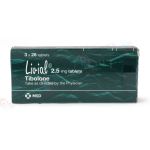
Livial Tablets
Livial is a medicine used as hormone replacement therapy (HRT). Livial tablets contain the active substance tibolone, a synthetic hormone that mimics the activity of the female sex hormones estrogen and progesterone. These hormones play an important role in regulating the monthly cycles of women who produce less and less estrogen as they age. This drop-in levels can cause bothersome symptoms, especially near menopause. Livial helps to balance hormonal levels and therefore reduces menopausal symptoms.

Consult

Select

Checkout
01
Select
the items you wish
to order
02
Order reviewed
by our qualified
prescriber
03
Delivered
to your door step
Your Selection
Please use the options provided to make your final selection.
Livial Tablets
£58
Total
You’re almost there!
It is the prescribers duty to ensure that the medicine is being used safely and appropriately. please answer a few questions about yourself to help us process your request.
Confidentiality & Authenticity Assured
- Fully Regulated UK Pharmacy
- Authentic UK sourced medicines only.
- Trading for more than 10 years.
- Information Governance lead ensures all data is confidential
Need Help With Your Questionnaire?
Our customer service team is on hand Monday-Friday to help you with your queries.
Please call us on 08009788956 or
email us at: headoffice@pharmacyplanet.com
Price Comparison
Select your preferred options and see the best price
| Pack | Price (£) | ||
|---|---|---|---|
| - | - | 84 Tablets (3 months) | 58.00 |
| - | - | 168 Tablets (6 Months) | 109.00 |
It looks like you missed filling in questions from the last consultation.Click Here to submit your response.

No subscriptions or hidden fees

Secure checkout

UK Regulated online pharmacy

Trusted by over 250,000+ happy customers
Livial Tablets
Livial Tablets contain tibolone 2.5mg, a synthetic steroid that occupies a pharmacologically distinct category within HRT. Unlike conventional combined HRT preparations, which deliver oestrogen and progestogen as separate hormones, Livial delivers a single compound that the body metabolises into three different active forms with oestrogenic, progestogenic, and weak androgenic activity. This multi-receptor approach means Livial can address the full spectrum of menopausal symptoms, including vasomotor symptoms, urogenital changes, mood, and libido, without the need for a separate progestogen prescription.
Livial is prescribed exclusively to fully postmenopausal women, those at least 12 months past their last natural period. It is a bleed-free treatment in established users, making it suitable for women who are confirmed as postmenopausal and who prefer to avoid a monthly withdrawal bleed. It is manufactured by Organon Pharma UK Ltd and is available in one strength only: 2.5mg per tablet.
Livial is classified as a Prescription Only Medicine. A clinical consultation is required before a prescription can be considered.
What Is Livial Tablets?
Livial is an oral film-coated tablet taken once daily. Its active ingredient, tibolone, belongs to a class of medicines sometimes described as tissue-selective oestrogen activity regulators, though it is more accurately characterised as a synthetic steroid with selective activity across different tissue types. Tibolone itself has minimal hormonal activity in its intact form. After absorption, it is converted in the body into three distinct metabolites: two oestrogenic metabolites and one progestogenic and weakly androgenic metabolite.
The oestrogenic metabolites act on oestrogen receptors in the hypothalamus, bone, and urogenital tissues, relieving vasomotor symptoms, supporting bone density, and improving vaginal health. The progestogenic metabolite acts on the endometrium, providing continuous protective suppression of the womb lining. This endometrial protection is built into the single compound, which is why women using Livial do not need a separately prescribed progestogen.
Tibolone's weak androgenic metabolite is clinically relevant to sexual function and mood. Loss of libido is a menopausal symptom that is frequently underreported and undertreated by conventional oestrogen-based HRT, which does not directly address the androgen component of female sexual health. Livial's androgenic activity addresses this aspect of the menopausal symptom complex within the single daily tablet.
How Does Livial Tablets Work?
Tibolone metabolism: three metabolites, three effects
After swallowing, tibolone is absorbed through the gastrointestinal tract and rapidly converted by the liver into its active forms. The two oestrogenic metabolites, 3-alpha-hydroxytibolone and 3-beta-hydroxytibolone, are responsible for the vasomotor and urogenital benefits of Livial. They bind to oestrogen receptors in the hypothalamus, stabilising temperature regulation and reducing the frequency and severity of hot flushes and night sweats. In the urogenital tract, they restore the cellular integrity of the vaginal mucosa, supporting lubrication and reducing the discomfort of vulvovaginal atrophy.
The third metabolite, the delta-4 isomer of tibolone, has progestogenic and weak androgenic activity. In the endometrium, it acts as a progestogen, opposing the proliferative effects of the oestrogenic metabolites and maintaining the womb lining in a suppressed state. This is the mechanism by which Livial achieves endometrial protection without a separate progestogen prescription, and why fully postmenopausal women do not experience a monthly withdrawal bleed on Livial in established use.
Androgenic activity and its clinical relevance
The delta-4 isomer also exerts weak androgenic receptor activity, which influences sexual function, energy, and mood. Androgens, including testosterone, are produced in small but clinically meaningful quantities by women throughout their reproductive years and beyond. Their levels decline with age and at the menopause, contributing to reduced libido, fatigue, and low mood in some women. Tibolone's androgenic metabolite partially addresses this hormonal component of menopausal change, which distinguishes Livial from oestrogen and progestogen-based HRT preparations that do not directly target the androgen axis.
Bone protection
The oestrogenic metabolites of tibolone also act on bone tissue, inhibiting osteoclastic activity and slowing post-menopausal bone resorption. Evidence from clinical studies supports tibolone's ability to maintain bone mineral density at the hip and spine, underpinning its licensed indication for osteoporosis prevention in postmenopausal women at increased fracture risk.
How to Take Livial Tablets
Who can start Livial and when
Livial is appropriate only for women who are fully postmenopausal, confirmed as at least 12 months past their last natural menstrual period without hormonal intervention. Starting Livial before this point, or in women who are still perimenopausal, typically causes irregular and unpredictable vaginal bleeding because tibolone's progestogenic metabolite cannot suppress an endometrium that is still responding to the woman's own ovarian hormones.
Daily use
Take one Livial 2.5mg tablet at the same time each day, with or without food. Swallow whole with water. There is no phase sequence, and all tablets in the pack are identical. Do not skip doses or leave gaps between packs. Consistent daily intake supports stable serum tibolone metabolite levels and reduces the likelihood of breakthrough vaginal bleeding.
Missed dose
If you miss a dose and remember on the same day, take it as soon as possible. If you only remember the following day, skip the missed dose and resume normal dosing the next day. Do not take two tablets together. A missed dose may occasionally trigger light spotting or a brief return of hot flushes, both of which reflect a temporary reduction in tibolone metabolite levels and resolve when regular dosing resumes.
Duration of treatment
Treatment duration is an individual clinical decision reviewed at least annually. NICE guidance supports using the lowest effective dose for as long as benefits outweigh risks. Because Livial is available in only one strength, if treatment becomes inappropriate at any point, the clinical decision will involve discontinuing or switching to an alternative HRT rather than adjusting the dose within this product.
Dosage and Strengths Available
Livial 2.5mg: the only available strength
Livial is available in a single strength of 2.5mg tibolone per tablet. One tablet is taken daily. There is no lower-dose titration option and no higher-dose alternative within this product. The 2.5mg dose is the established therapeutic dose for tibolone HRT and reflects the amount needed to produce adequate levels of all three active metabolites across the range of target tissues.
Because the dose cannot be adjusted within Livial, prescribers must assess whether 2.5mg tibolone is appropriate for the individual patient before issuing a prescription. Women for whom the dose proves insufficient for symptom control, or for whom side effects are problematic at this fixed dose, will need to consider an alternative HRT formulation. This is discussed during the clinical review.
How Livial compares to conventional combined HRT
Livial occupies a different pharmacological category from oestrogen and progestogen combined HRT. Rather than delivering two hormones with defined receptor targets, it delivers one compound that the body converts into multiple tissue-selective metabolites. Women switching from a sequential or continuous combined HRT to Livial should do so only under prescriber guidance, as the hormonal environment produced by tibolone is distinct from that produced by oestradiol and norethisterone, dydrogesterone, or MPA combinations. The transition approach and timing will depend on the woman's current HRT, menopausal status, and clinical history.
Side Effects and Safety Information
Vaginal bleeding: the most clinically significant early effect
Vaginal bleeding or spotting is the most commonly reported and clinically significant side effect of Livial in the early months of treatment. It is particularly common in women who are not yet fully postmenopausal or who start Livial before sufficient time has elapsed since their last natural period. In established postmenopausal women, irregular spotting may occur in the first three months as the endometrium adjusts to tibolone's continuous progestogenic metabolite suppression.
Any of the following must be reported to your prescriber promptly:
- Heavy or prolonged bleeding at any point
- Bleeding that persists beyond the first three to six months of treatment
- Any vaginal bleeding that returns after a confirmed period of no bleeding lasting six months or more
- Postmenopausal bleeding occurring for the first time in a woman who has not yet started HRT
Androgenic effects
Because tibolone has a weakly androgenic metabolite, some women experience androgenic side effects that are not typically associated with oestrogen-only or combined HRT. These include acne, facial hair growth, or changes in scalp hair density. Women who have experienced androgenic side effects with progestogen-containing HRT preparations or androgen-containing treatments in the past are more likely to notice these effects with Livial. If androgenic side effects are significant, the prescriber may consider an alternative HRT.
Common oestrogenic and general adjustment effects
The following are commonly reported in the first weeks of treatment:
- Breast tenderness or discomfort
- Headache
- Nausea or abdominal discomfort
- Bloating or weight change
- Fluid retention
- Mood change, including low mood or irritability
- Leg cramps
Serious effects requiring emergency care
Seek immediate emergency medical attention for:
- Sudden chest pain, breathlessness, or coughing blood — possible pulmonary embolism
- Unilateral leg swelling, pain, or warmth — possible deep vein thrombosis
- Sudden severe headache, visual loss, speech difficulty, or one-sided weakness — possible stroke
- Jaundice or severe upper right abdominal pain
- A new or unexplained breast lump
Stroke risk specific to tibolone
Clinical trial evidence, including data from the LIFT trial, indicates that tibolone is associated with an increased risk of stroke in older postmenopausal women, particularly in women over 60. This risk is an important consideration in prescribing decisions and is one reason why Livial is generally not recommended for women with established cardiovascular disease, a history of stroke, or significant cardiovascular risk factors. The prescriber will assess this risk as part of the clinical consultation.
Long-term breast cancer risk
Tibolone is associated with an increased risk of breast cancer in postmenopausal women, based on evidence from large observational studies and the LIBERATE trial, which studied tibolone in women with a history of breast cancer. Tibolone is contraindicated in women with a current or previous history of breast cancer. The Lancet 2019 analysis by the Collaborative Group on Hormonal Factors in Breast Cancer also reported a small elevation in risk associated with tibolone use, similar in magnitude to that seen with combined HRT. Your prescriber will discuss this risk as part of the individual benefit-risk assessment.
Who Can Take Livial Tablets?
Licensed indications
- Relief of menopausal symptoms in fully postmenopausal women whose last natural menstrual period was at least 12 months ago
- Prevention of osteoporosis in postmenopausal women at increased fracture risk where other treatments are not suitable or tolerated
Clinical profile for which Livial is particularly relevant
Livial may be considered for:
- Postmenopausal women who experience loss of libido or low mood as significant menopausal symptoms, and for whom tibolone's androgenic activity may provide benefit that oestrogen-only or combined HRT does not address
- Women who prefer a single-compound bleed-free regimen without a separately prescribed progestogen
- Women who have not tolerated conventional combined HRT and for whom the tibolone pharmacological approach represents a different therapeutic option
Absolute contraindications
Livial must not be used in women who have, or have had:
- Known, suspected, or previous breast cancer — including women currently receiving treatment for breast cancer and those with a personal history
- Known or suspected other oestrogen-sensitive malignancies
- Undiagnosed vaginal bleeding
- Untreated endometrial hyperplasia
- Previous or current venous thromboembolism or known thrombophilic disorders
- Active or recent arterial thromboembolic disease, including myocardial infarction, angina, or stroke
- Active liver disease or persistently abnormal liver function
- Porphyria
- Known hypersensitivity to tibolone or any tablet excipient
Additional caution required
Prescribers exercise particular clinical caution in women over 60, women with cardiovascular risk factors or a personal history of stroke or transient ischaemic attack, women with uterine fibroids, migraine with aura, gallbladder disease, diabetes, or systemic lupus erythematosus. The stroke risk signal specific to tibolone, discussed in the side effects section, is directly relevant to this assessment and may lead the prescriber to recommend an alternative HRT for women in these categories.
Consultation and Prescribing Process
Livial is a Prescription Only Medicine. A clinical consultation is the required first step. A prescription is a possible outcome of that consultation, not a guaranteed one. The prescriber must confirm full postmenopausal status, assess whether tibolone is clinically appropriate for the individual patient, and evaluate the stroke and breast cancer risk profile that is specific to this compound.
At Pharmacy Planet, your consultation will cover your postmenopausal status and the date of your last natural period, your current menopausal symptoms including their effect on sexual function and mood, any previous HRT use and tolerability, your personal and family history of breast cancer, cardiovascular disease, and blood clotting conditions, and all current medicines and supplements.
Tibolone's stroke risk is a prescribing consideration that sets Livial apart from most other HRT preparations in this series. For women over 60 or with established cardiovascular risk factors, the prescriber will carefully weigh this risk before issuing a prescription. If the prescriber decides that an alternative HRT is more appropriate for your risk profile, they will explain this during the consultation.
A three-month review is standard after the initial prescription, with a focus on vaginal bleeding patterns, which are the most informative early indicator of whether Livial is producing the expected continuous endometrial suppression. Annual reviews follow, reassessing the benefit-risk balance as individual circumstances evolve.
Storage and Handling
Store Livial tablets below 30°C in a dry place, away from direct light. Keep in the original blister packaging until each dose is taken. The 30°C storage limit, rather than the 25°C limit found in most HRT SmPCs, reflects the thermal stability of the tibolone film-coated tablet formulation. All tablets in the pack are identical, so there is no sequencing risk. Return unused or expired packs to your community pharmacy for safe disposal. Do not place in household waste or flush down the sink. Keep out of the sight and reach of children and pets.
Comparing HRT Products by Formulation Type
Choosing the right HRT is a clinical decision, not a one-size-fits-all choice. Delivery route, oestrogen type, progestogen class, and bleed preference all shape which preparation is most appropriate for any individual woman. The table below compares commonly prescribed oral HRT tablets, grouped by regimen type. All oral preparations undergo hepatic first-pass metabolism, which is associated with a higher venous thromboembolism risk than transdermal alternatives.
| Product | Form | Oestrogen / Active | Primary Clinical Role | Progestogen Needed? |
|---|---|---|---|---|
| Elleste Duet | Tablet | Oestradiol 1mg or 2mg | 2-phase cycle with norethisterone acetate; monthly bleed | Included |
| Femoston | Tablet | Oestradiol 1mg or 2mg | 2-phase with dydrogesterone; lower androgenic profile | Included |
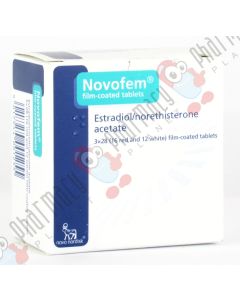
| Novofem | Tablet | Oestradiol 1mg | 2-phase; 16 red + 12 white; Novo Nordisk range | Included |
| Trisequens | Tablet | Oestradiol 2mg / 1mg | 3-phase; stepped dose pattern mirrors natural cycle | Included |
| Tridestra | Tablet | Oestradiol valerate 2mg | Long-cycle; quarterly bleed; 91-day pack | Included |
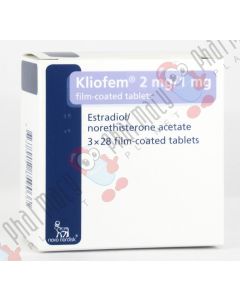
| Kliofem | Tablet | Oestradiol 2mg | Fixed daily combined; fully postmenopausal women | Included |
| Kliovance | Tablet | Oestradiol 1mg | Lower-dose counterpart to Kliofem; bleed-free | Included |
| Indivina | Tablet | Oestradiol valerate 1mg–2mg | Combined with MPA; three strengths; bleed-free | Included |
| Premique Low Dose | Tablet | CEE 0.3mg | Lowest-dose CEE combined; equine oestrogen source | Included |
| Elleste Solo | Tablet | Oestradiol 1mg or 2mg | Oestrogen-only; post-hysterectomy or flexible regimen | Separate prescription* |
| Premarin | Tablet | CEE 0.3–1.25mg | Conjugated equine oestrogens; three strengths | Separate prescription* |
| Progynova | Tablet | Oestradiol valerate 1mg or 2mg | Oestradiol valerate prodrug; independent progestogen | Separate prescription* |
| Zumenon | Tablet | Oestradiol 1mg or 2mg | Oestradiol hemihydrate; flexible progestogen pairing | Separate prescription* |
| Livial | Tablet | Tibolone 2.5mg | Single steroid; oestrogenic, progestogenic & androgenic activity | Not required |
| Veoza | Tablet | Fezolinetant 45mg | Non-hormonal NK3 receptor antagonist; vasomotor symptoms only | Not applicable |
Why Choose Pharmacy Planet?
Pharmacy Planet is a GPhC-registered online pharmacy operating under the oversight of a qualified superintendent pharmacist. All prescriptions are issued by registered healthcare professionals who apply clinical evidence, current NICE guidance, and the individual patient's complete medical history to each decision.
Prescribing Livial requires clinical knowledge that goes beyond standard HRT familiarity. Understanding tibolone's unique three-metabolite pharmacology, assessing the stroke risk signal in the context of the patient's cardiovascular history, evaluating the breast cancer risk specific to this compound, and determining whether tibolone's androgenic activity is clinically relevant to the patient's symptom profile all require thoughtful clinical assessment. Our prescribers apply that level of rigour in every Livial consultation. If you would like to find out whether Livial may be appropriate for your situation, begin a consultation using the link on this page.
References
- Livial 2.5mg Tablets — Summary of Product Characteristics. Organon Pharma UK Ltd. Available at: https://www.medicines.org.uk/emc. Accessed June 2025.
- NHS. Hormone replacement therapy (HRT). Available at: https://www.nhs.uk/conditions/hormone-replacement-therapy-hrt/. Accessed June 2025.
- NICE. Menopause: diagnosis and management. NG23. Updated December 2019. Available at: https://www.nice.org.uk/guidance/ng23. Accessed June 2025.
- British National Formulary (BNF). Tibolone. Available at: https://bnf.nice.org.uk. Accessed June 2025.
- MHRA. Hormone-replacement therapy: updated advice. Drug Safety Update vol 12 issue 11, June 2019. Available at: https://www.gov.uk/drug-safety-update. Accessed June 2025.
- Collaborative Group on Hormonal Factors in Breast Cancer. Type and timing of menopausal hormone therapy and breast cancer risk. Lancet 2019; 394(10204):1159–1168.
- Cummings SR et al. Tibolone and risk of breast cancer and invasive breast cancer (LIBERATE): a randomised placebo-controlled trial. Lancet Oncol 2008; 9(3):267–276.
- Formoso G et al. The LIFT Trial: tibolone and cardiovascular and breast cancer risks in postmenopausal women. Cochrane Database Syst Rev 2016.
- British Menopause Society. Tibolone. Available at: https://thebms.org.uk. Accessed June 2025.
Livial Tablets
Livial Tablets contain tibolone 2.5mg, a synthetic steroid that occupies a pharmacologically distinct category within HRT. Unlike conventional combined HRT preparations, which deliver oestrogen and progestogen as separate hormones, Livial delivers a single compound that the body metabolises into three different active forms with oestrogenic, progestogenic, and weak androgenic activity. This multi-receptor approach means Livial can address the full spectrum of menopausal symptoms, including vasomotor symptoms, urogenital changes, mood, and libido, without the need for a separate progestogen prescription.
Livial is prescribed exclusively to fully postmenopausal women, those at least 12 months past their last natural period. It is a bleed-free treatment in established users, making it suitable for women who are confirmed as postmenopausal and who prefer to avoid a monthly withdrawal bleed. It is manufactured by Organon Pharma UK Ltd and is available in one strength only: 2.5mg per tablet.
Livial is classified as a Prescription Only Medicine. A clinical consultation is required before a prescription can be considered.
Livial is an oral film-coated tablet taken once daily. Its active ingredient, tibolone, belongs to a class of medicines sometimes described as tissue-selective oestrogen activity regulators, though it is more accurately characterised as a synthetic steroid with selective activity across different tissue types. Tibolone itself has minimal hormonal activity in its intact form. After absorption, it is converted in the body into three distinct metabolites: two oestrogenic metabolites and one progestogenic and weakly androgenic metabolite.
The oestrogenic metabolites act on oestrogen receptors in the hypothalamus, bone, and urogenital tissues, relieving vasomotor symptoms, supporting bone density, and improving vaginal health. The progestogenic metabolite acts on the endometrium, providing continuous protective suppression of the womb lining. This endometrial protection is built into the single compound, which is why women using Livial do not need a separately prescribed progestogen.
Tibolone's weak androgenic metabolite is clinically relevant to sexual function and mood. Loss of libido is a menopausal symptom that is frequently underreported and undertreated by conventional oestrogen-based HRT, which does not directly address the androgen component of female sexual health. Livial's androgenic activity addresses this aspect of the menopausal symptom complex within the single daily tablet.
Tibolone metabolism: three metabolites, three effects
After swallowing, tibolone is absorbed through the gastrointestinal tract and rapidly converted by the liver into its active forms. The two oestrogenic metabolites, 3-alpha-hydroxytibolone and 3-beta-hydroxytibolone, are responsible for the vasomotor and urogenital benefits of Livial. They bind to oestrogen receptors in the hypothalamus, stabilising temperature regulation and reducing the frequency and severity of hot flushes and night sweats. In the urogenital tract, they restore the cellular integrity of the vaginal mucosa, supporting lubrication and reducing the discomfort of vulvovaginal atrophy.
The third metabolite, the delta-4 isomer of tibolone, has progestogenic and weak androgenic activity. In the endometrium, it acts as a progestogen, opposing the proliferative effects of the oestrogenic metabolites and maintaining the womb lining in a suppressed state. This is the mechanism by which Livial achieves endometrial protection without a separate progestogen prescription, and why fully postmenopausal women do not experience a monthly withdrawal bleed on Livial in established use.
Androgenic activity and its clinical relevance
The delta-4 isomer also exerts weak androgenic receptor activity, which influences sexual function, energy, and mood. Androgens, including testosterone, are produced in small but clinically meaningful quantities by women throughout their reproductive years and beyond. Their levels decline with age and at the menopause, contributing to reduced libido, fatigue, and low mood in some women. Tibolone's androgenic metabolite partially addresses this hormonal component of menopausal change, which distinguishes Livial from oestrogen and progestogen-based HRT preparations that do not directly target the androgen axis.
Bone protection
The oestrogenic metabolites of tibolone also act on bone tissue, inhibiting osteoclastic activity and slowing post-menopausal bone resorption. Evidence from clinical studies supports tibolone's ability to maintain bone mineral density at the hip and spine, underpinning its licensed indication for osteoporosis prevention in postmenopausal women at increased fracture risk.
Who can start Livial and when
Livial is appropriate only for women who are fully postmenopausal, confirmed as at least 12 months past their last natural menstrual period without hormonal intervention. Starting Livial before this point, or in women who are still perimenopausal, typically causes irregular and unpredictable vaginal bleeding because tibolone's progestogenic metabolite cannot suppress an endometrium that is still responding to the woman's own ovarian hormones.
Daily use
Take one Livial 2.5mg tablet at the same time each day, with or without food. Swallow whole with water. There is no phase sequence, and all tablets in the pack are identical. Do not skip doses or leave gaps between packs. Consistent daily intake supports stable serum tibolone metabolite levels and reduces the likelihood of breakthrough vaginal bleeding.
Missed dose
If you miss a dose and remember on the same day, take it as soon as possible. If you only remember the following day, skip the missed dose and resume normal dosing the next day. Do not take two tablets together. A missed dose may occasionally trigger light spotting or a brief return of hot flushes, both of which reflect a temporary reduction in tibolone metabolite levels and resolve when regular dosing resumes.
Duration of treatment
Treatment duration is an individual clinical decision reviewed at least annually. NICE guidance supports using the lowest effective dose for as long as benefits outweigh risks. Because Livial is available in only one strength, if treatment becomes inappropriate at any point, the clinical decision will involve discontinuing or switching to an alternative HRT rather than adjusting the dose within this product.
Livial 2.5mg: the only available strength
Livial is available in a single strength of 2.5mg tibolone per tablet. One tablet is taken daily. There is no lower-dose titration option and no higher-dose alternative within this product. The 2.5mg dose is the established therapeutic dose for tibolone HRT and reflects the amount needed to produce adequate levels of all three active metabolites across the range of target tissues.
Because the dose cannot be adjusted within Livial, prescribers must assess whether 2.5mg tibolone is appropriate for the individual patient before issuing a prescription. Women for whom the dose proves insufficient for symptom control, or for whom side effects are problematic at this fixed dose, will need to consider an alternative HRT formulation. This is discussed during the clinical review.
How Livial compares to conventional combined HRT
Livial occupies a different pharmacological category from oestrogen and progestogen combined HRT. Rather than delivering two hormones with defined receptor targets, it delivers one compound that the body converts into multiple tissue-selective metabolites. Women switching from a sequential or continuous combined HRT to Livial should do so only under prescriber guidance, as the hormonal environment produced by tibolone is distinct from that produced by oestradiol and norethisterone, dydrogesterone, or MPA combinations. The transition approach and timing will depend on the woman's current HRT, menopausal status, and clinical history.
Vaginal bleeding: the most clinically significant early effect
Vaginal bleeding or spotting is the most commonly reported and clinically significant side effect of Livial in the early months of treatment. It is particularly common in women who are not yet fully postmenopausal or who start Livial before sufficient time has elapsed since their last natural period. In established postmenopausal women, irregular spotting may occur in the first three months as the endometrium adjusts to tibolone's continuous progestogenic metabolite suppression.
Any of the following must be reported to your prescriber promptly:
- Heavy or prolonged bleeding at any point
- Bleeding that persists beyond the first three to six months of treatment
- Any vaginal bleeding that returns after a confirmed period of no bleeding lasting six months or more
- Postmenopausal bleeding occurring for the first time in a woman who has not yet started HRT
Androgenic effects
Because tibolone has a weakly androgenic metabolite, some women experience androgenic side effects that are not typically associated with oestrogen-only or combined HRT. These include acne, facial hair growth, or changes in scalp hair density. Women who have experienced androgenic side effects with progestogen-containing HRT preparations or androgen-containing treatments in the past are more likely to notice these effects with Livial. If androgenic side effects are significant, the prescriber may consider an alternative HRT.
Common oestrogenic and general adjustment effects
The following are commonly reported in the first weeks of treatment:
- Breast tenderness or discomfort
- Headache
- Nausea or abdominal discomfort
- Bloating or weight change
- Fluid retention
- Mood change, including low mood or irritability
- Leg cramps
Serious effects requiring emergency care
Seek immediate emergency medical attention for:
- Sudden chest pain, breathlessness, or coughing blood — possible pulmonary embolism
- Unilateral leg swelling, pain, or warmth — possible deep vein thrombosis
- Sudden severe headache, visual loss, speech difficulty, or one-sided weakness — possible stroke
- Jaundice or severe upper right abdominal pain
- A new or unexplained breast lump
Stroke risk specific to tibolone
Clinical trial evidence, including data from the LIFT trial, indicates that tibolone is associated with an increased risk of stroke in older postmenopausal women, particularly in women over 60. This risk is an important consideration in prescribing decisions and is one reason why Livial is generally not recommended for women with established cardiovascular disease, a history of stroke, or significant cardiovascular risk factors. The prescriber will assess this risk as part of the clinical consultation.
Long-term breast cancer risk
Tibolone is associated with an increased risk of breast cancer in postmenopausal women, based on evidence from large observational studies and the LIBERATE trial, which studied tibolone in women with a history of breast cancer. Tibolone is contraindicated in women with a current or previous history of breast cancer. The Lancet 2019 analysis by the Collaborative Group on Hormonal Factors in Breast Cancer also reported a small elevation in risk associated with tibolone use, similar in magnitude to that seen with combined HRT. Your prescriber will discuss this risk as part of the individual benefit-risk assessment.
Licensed indications
- Relief of menopausal symptoms in fully postmenopausal women whose last natural menstrual period was at least 12 months ago
- Prevention of osteoporosis in postmenopausal women at increased fracture risk where other treatments are not suitable or tolerated
Clinical profile for which Livial is particularly relevant
Livial may be considered for:
- Postmenopausal women who experience loss of libido or low mood as significant menopausal symptoms, and for whom tibolone's androgenic activity may provide benefit that oestrogen-only or combined HRT does not address
- Women who prefer a single-compound bleed-free regimen without a separately prescribed progestogen
- Women who have not tolerated conventional combined HRT and for whom the tibolone pharmacological approach represents a different therapeutic option
Absolute contraindications
Livial must not be used in women who have, or have had:
- Known, suspected, or previous breast cancer — including women currently receiving treatment for breast cancer and those with a personal history
- Known or suspected other oestrogen-sensitive malignancies
- Undiagnosed vaginal bleeding
- Untreated endometrial hyperplasia
- Previous or current venous thromboembolism or known thrombophilic disorders
- Active or recent arterial thromboembolic disease, including myocardial infarction, angina, or stroke
- Active liver disease or persistently abnormal liver function
- Porphyria
- Known hypersensitivity to tibolone or any tablet excipient
Additional caution required
Prescribers exercise particular clinical caution in women over 60, women with cardiovascular risk factors or a personal history of stroke or transient ischaemic attack, women with uterine fibroids, migraine with aura, gallbladder disease, diabetes, or systemic lupus erythematosus. The stroke risk signal specific to tibolone, discussed in the side effects section, is directly relevant to this assessment and may lead the prescriber to recommend an alternative HRT for women in these categories.
Livial is a Prescription Only Medicine. A clinical consultation is the required first step. A prescription is a possible outcome of that consultation, not a guaranteed one. The prescriber must confirm full postmenopausal status, assess whether tibolone is clinically appropriate for the individual patient, and evaluate the stroke and breast cancer risk profile that is specific to this compound.
At Pharmacy Planet, your consultation will cover your postmenopausal status and the date of your last natural period, your current menopausal symptoms including their effect on sexual function and mood, any previous HRT use and tolerability, your personal and family history of breast cancer, cardiovascular disease, and blood clotting conditions, and all current medicines and supplements.
Tibolone's stroke risk is a prescribing consideration that sets Livial apart from most other HRT preparations in this series. For women over 60 or with established cardiovascular risk factors, the prescriber will carefully weigh this risk before issuing a prescription. If the prescriber decides that an alternative HRT is more appropriate for your risk profile, they will explain this during the consultation.
A three-month review is standard after the initial prescription, with a focus on vaginal bleeding patterns, which are the most informative early indicator of whether Livial is producing the expected continuous endometrial suppression. Annual reviews follow, reassessing the benefit-risk balance as individual circumstances evolve.
Store Livial tablets below 30°C in a dry place, away from direct light. Keep in the original blister packaging until each dose is taken. The 30°C storage limit, rather than the 25°C limit found in most HRT SmPCs, reflects the thermal stability of the tibolone film-coated tablet formulation. All tablets in the pack are identical, so there is no sequencing risk. Return unused or expired packs to your community pharmacy for safe disposal. Do not place in household waste or flush down the sink. Keep out of the sight and reach of children and pets.
Choosing the right HRT is a clinical decision, not a one-size-fits-all choice. Delivery route, oestrogen type, progestogen class, and bleed preference all shape which preparation is most appropriate for any individual woman. The table below compares commonly prescribed oral HRT tablets, grouped by regimen type. All oral preparations undergo hepatic first-pass metabolism, which is associated with a higher venous thromboembolism risk than transdermal alternatives.
| Product | Form | Oestrogen / Active | Primary Clinical Role | Progestogen Needed? |
|---|---|---|---|---|
| Elleste Duet | Tablet | Oestradiol 1mg or 2mg | 2-phase cycle with norethisterone acetate; monthly bleed | Included |
| Femoston | Tablet | Oestradiol 1mg or 2mg | 2-phase with dydrogesterone; lower androgenic profile | Included |
| Novofem | Tablet | Oestradiol 1mg | 2-phase; 16 red + 12 white; Novo Nordisk range | Included |
| Trisequens | Tablet | Oestradiol 2mg / 1mg | 3-phase; stepped dose pattern mirrors natural cycle | Included |
| Tridestra | Tablet | Oestradiol valerate 2mg | Long-cycle; quarterly bleed; 91-day pack | Included |
| Kliofem | Tablet | Oestradiol 2mg | Fixed daily combined; fully postmenopausal women | Included |
| Kliovance | Tablet | Oestradiol 1mg | Lower-dose counterpart to Kliofem; bleed-free | Included |
| Indivina | Tablet | Oestradiol valerate 1mg–2mg | Combined with MPA; three strengths; bleed-free | Included |
| Premique Low Dose | Tablet | CEE 0.3mg | Lowest-dose CEE combined; equine oestrogen source | Included |
| Elleste Solo | Tablet | Oestradiol 1mg or 2mg | Oestrogen-only; post-hysterectomy or flexible regimen | Separate prescription* |
| Premarin | Tablet | CEE 0.3–1.25mg | Conjugated equine oestrogens; three strengths | Separate prescription* |
| Progynova | Tablet | Oestradiol valerate 1mg or 2mg | Oestradiol valerate prodrug; independent progestogen | Separate prescription* |
| Zumenon | Tablet | Oestradiol 1mg or 2mg | Oestradiol hemihydrate; flexible progestogen pairing | Separate prescription* |
| Livial | Tablet | Tibolone 2.5mg | Single steroid; oestrogenic, progestogenic & androgenic activity | Not required |
| Veoza | Tablet | Fezolinetant 45mg | Non-hormonal NK3 receptor antagonist; vasomotor symptoms only | Not applicable |
Pharmacy Planet is a GPhC-registered online pharmacy operating under the oversight of a qualified superintendent pharmacist. All prescriptions are issued by registered healthcare professionals who apply clinical evidence, current NICE guidance, and the individual patient's complete medical history to each decision.
Prescribing Livial requires clinical knowledge that goes beyond standard HRT familiarity. Understanding tibolone's unique three-metabolite pharmacology, assessing the stroke risk signal in the context of the patient's cardiovascular history, evaluating the breast cancer risk specific to this compound, and determining whether tibolone's androgenic activity is clinically relevant to the patient's symptom profile all require thoughtful clinical assessment. Our prescribers apply that level of rigour in every Livial consultation. If you would like to find out whether Livial may be appropriate for your situation, begin a consultation using the link on this page.
- Livial 2.5mg Tablets — Summary of Product Characteristics. Organon Pharma UK Ltd. Available at: https://www.medicines.org.uk/emc. Accessed June 2025.
- NHS. Hormone replacement therapy (HRT). Available at: https://www.nhs.uk/conditions/hormone-replacement-therapy-hrt/. Accessed June 2025.
- NICE. Menopause: diagnosis and management. NG23. Updated December 2019. Available at: https://www.nice.org.uk/guidance/ng23. Accessed June 2025.
- British National Formulary (BNF). Tibolone. Available at: https://bnf.nice.org.uk. Accessed June 2025.
- MHRA. Hormone-replacement therapy: updated advice. Drug Safety Update vol 12 issue 11, June 2019. Available at: https://www.gov.uk/drug-safety-update. Accessed June 2025.
- Collaborative Group on Hormonal Factors in Breast Cancer. Type and timing of menopausal hormone therapy and breast cancer risk. Lancet 2019; 394(10204):1159–1168.
- Cummings SR et al. Tibolone and risk of breast cancer and invasive breast cancer (LIBERATE): a randomised placebo-controlled trial. Lancet Oncol 2008; 9(3):267–276.
- Formoso G et al. The LIFT Trial: tibolone and cardiovascular and breast cancer risks in postmenopausal women. Cochrane Database Syst Rev 2016.
- British Menopause Society. Tibolone. Available at: https://thebms.org.uk. Accessed June 2025.
Frequently Asked Questions
Livial contains tibolone 2.5mg, a synthetic steroid that the body converts into three different active metabolites with oestrogenic, progestogenic, and weakly androgenic activity. Unlike conventional HRT, which delivers oestrogen and progestogen as separate compounds, Livial delivers a single tablet that acts across all three hormonal pathways simultaneously. This means women taking Livial do not need a separately prescribed progestogen, and the treatment is bleed-free in fully postmenopausal women without a planned monthly withdrawal bleed.
Livial is prescribed to fully postmenopausal women, those at least 12 months past their last natural period, for the relief of menopausal symptoms and osteoporosis prevention. It is particularly relevant for women who experience loss of libido or low mood alongside vasomotor symptoms, as tibolone's weakly androgenic metabolite addresses these aspects of menopausal change. It is not suitable for perimenopausal women, women with a history of breast cancer, or women with significant cardiovascular risk factors where the stroke risk associated with tibolone is clinically relevant.
No, not in established use. Livial is a bleed-free HRT for fully postmenopausal women. Its progestogenic metabolite continuously suppresses the endometrium without the cyclical pattern that produces a withdrawal bleed in sequential combined HRT. However, irregular spotting or light bleeding is common in the first three months of treatment, particularly in women who began Livial close to their last natural period. Any heavy, prolonged, or returning vaginal bleeding after three months of treatment, or after a confirmed bleed-free period, must be reported to your prescriber immediately.
Tibolone produces a weakly androgenic metabolite that may support sexual function and libido in postmenopausal women. Loss of libido is a recognised menopausal symptom that oestrogen and progestogen-based HRT does not directly address, as these preparations do not target androgen receptors. Tibolone's androgenic activity is one clinical reason why Livial may be considered for women for whom reduced sexual interest is a significant menopausal complaint. Your prescriber will assess whether this pharmacological characteristic of tibolone is relevant to your individual symptom profile.
Yes. Clinical evidence, including data from the LIFT trial, indicates that tibolone is associated with an increased risk of stroke in postmenopausal women, particularly those over the age of 60. This risk is one of the key clinical considerations that distinguishes Livial from most other HRT preparations. Women with a personal history of stroke, transient ischaemic attack, established cardiovascular disease, or significant cardiovascular risk factors should discuss this specifically with their prescriber, who may recommend an alternative HRT with a different risk profile.
Yes. Tibolone is associated with an increased risk of breast cancer in postmenopausal women, based on data from the LIBERATE randomised trial and large observational studies. The Lancet 2019 analysis by the Collaborative Group on Hormonal Factors in Breast Cancer reported a small elevation in breast cancer risk associated with tibolone use. Livial is contraindicated in women with a current or previous personal history of breast cancer. Your prescriber will assess the individual benefit-risk balance, including your family history of breast cancer, as part of the prescribing consultation.
No. Tibolone is metabolised in the body into a progestogenic metabolite that acts on the endometrium, providing built-in uterine protection. Women taking Livial do not require a separately prescribed progestogen, regardless of whether they have a uterus. This distinguishes Livial from oestrogen-only HRT preparations, which must always be combined with a separately prescribed progestogen in women who have not had a hysterectomy. The endometrial protection in Livial is a product of the single tibolone compound itself.
Starting Livial before 12 consecutive months have passed since the last natural period typically causes irregular, unpredictable vaginal bleeding. This occurs because tibolone's progestogenic metabolite cannot fully suppress an endometrium that is still receiving stimulation from residual ovarian oestrogen. This is why Livial is licensed only for fully postmenopausal women and why the prescriber must confirm menopausal status before issuing a prescription. Women who are perimenopausal should discuss sequential combined HRT or other options that are appropriate for their hormonal stage.
Yes, but only under prescriber guidance and with a planned transition. Switching from a sequential or continuous combined HRT to tibolone requires careful timing and confirmation of postmenopausal status. The hormonal environment produced by tibolone's three metabolites is pharmacologically distinct from oestradiol plus norethisterone, dydrogesterone, or MPA combinations, and the transition can produce temporary bleeding if the endometrium has not fully settled from the previous regimen. Your prescriber will advise on the appropriate transition timing and any steps needed to minimise breakthrough bleeding during the changeover.
Yes. Rifampicin and other enzyme-inducing medicines, including some anticonvulsants such as carbamazepine and phenytoin, and the herbal preparation St John's Wort, can accelerate the metabolism of tibolone and reduce its clinical effectiveness. Tibolone may also increase the anticoagulant effect of warfarin, and women on warfarin or other anticoagulants will require closer monitoring if Livial is prescribed. Inform your prescriber of all medicines, supplements, and herbal preparations before starting Livial.
How it works

Complete our online
clinical consultation
Answer a few questions on your health and your fitness goals.

Clinical
assessment
Our clinicians will review your clinical questionnaire to make sure treatment is right for you.

Welcome
aboard!
Once approved, you will access our wealth of experience and resources curated by our team and begin your clinical journey.
Treatment options
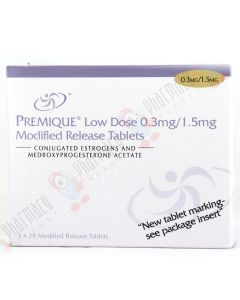
Premique is a hormonal drug. The drug is used as part of hormonal therapies ...

Ovestin belongs to a group of medications called hormone replacement therap ...
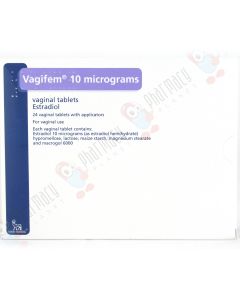
Vagifem comes in pre-filled disposable applicators. Remove the applicator f ...
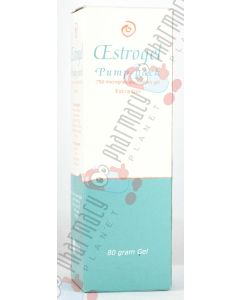
Oestrogel is indicated as hormone replacement therapy (HRT) for: - Treatmen ...

Zumenon is a hormone replacement therapy (THS) that contains the female hor ...
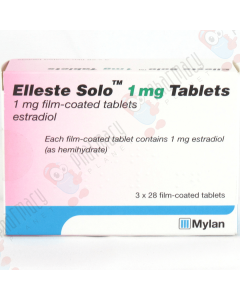
Elleste Solo is used as hormone replacement therapy (HRT) to manage symptom ...
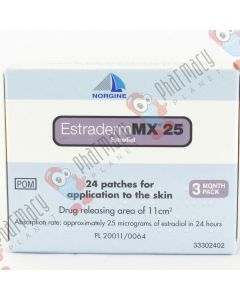
Estraderm MX is a type of Hormone Replacement Therapy (HRT). It comes in th ...
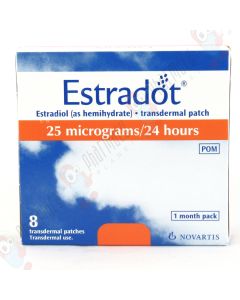
*If this medication is unavailable, our clinical team will reach out to you ...

Evorel is a transdermal patch used in Hormone Replacement Therapy, to relie ...

Femoston is a type of pill used in Hormone Replacement Therapy (HRT) for me ...
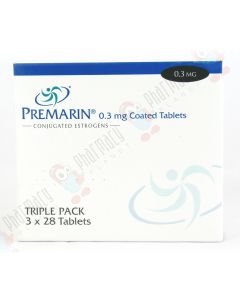
Premarin tablets are used as hormone replacement therapy (HRT). This medica ...
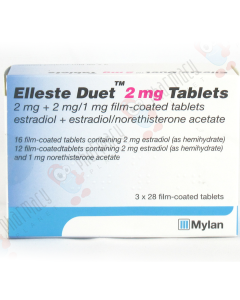
Elleste Duet is a hormonal medication for menopausal women. It contains the ...

FemSeven is used as hormone replacement therapy in women who are experienci ...
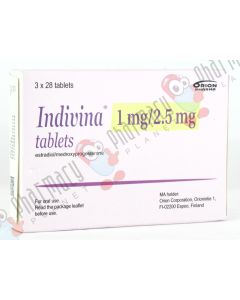
Indivina is a Hormone Replacement Therapy (HRT). It contains two types of f ...
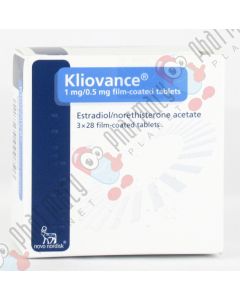
Kliovance is a pill containing an artificial version of estrogen and proges ...
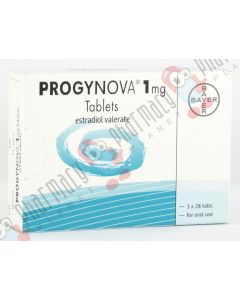
Progynova is a medication that reduces menopausal discomforts, such as hot ...
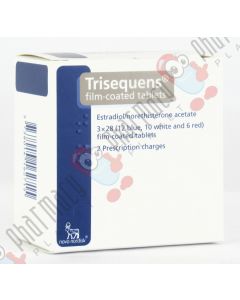
Trisequens is a hormone replacement therapy (HRT), also called hormone ther ...

Lenzetto Spray is a solution that contains small amounts of a medicine call ...
Start your journey with us
Need Help?

Do you have a question about weight loss treatment?
Start your weight loss journey heading in the right direction. Our team are here to help. Whether you’re unsure about which medicine is right for you or need help navigating the world of weight loss drugs, our team are on hand to help you make the right decision. We can put you in touch with one of our experienced weight loss clinicians so you can be sure you’re making the best decision with the most accurate information.
To get in touch, contact our Customer Service team on 0800 978 8956 or email headoffice@pharmacyplanet.com.
Meet the team


Review By
GURDEV SEHMI
Last Updated On : Mar 13 2026
BSc Pharm, MRPharmS, Independent Prescriber, Superintendent Pharmacist, Clinical Lead
GPhC Number: 2050925
Authored By
GURDEV SEHMI
Last Reviewed On : Mar 23 2026
BSc Pharm, MRPharmS, Independent Prescriber, Superintendent Pharmacist, Clinical Lead
GPhC Number: 2050925