





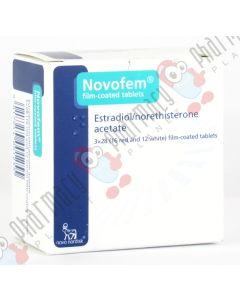
Bhupinder (Boo) Dhaliwale
Trisequens
Trisequens is a hormone replacement therapy (HRT), also called hormone therapy (TH). It is used to treat menopausal symptoms in women. Trisequens tablets contain estradiol (estrogen) and norethisterone (progestin). These hormones restore the hormonal balance in the body, and therefore reduce the symptoms of menopause. Trisequens is a prescription-only medicine. Trisequens helps to alleviate the physical and psychological symptoms of menopause. At the age of approximately 45 years, the ovaries produce less and less estrogen and for this reason their levels in the body decrease.

Consult

Select

Checkout
01
Select
the items you wish
to order
02
Order reviewed
by our qualified
prescriber
03
Delivered
to your door step
Your Selection
Please use the options provided to make your final selection.

Trisequens
£30
Total

You’re almost there!
It is the prescribers duty to ensure that the medicine is being used safely and appropriately. please answer a few questions about yourself to help us process your request.
- Manesha
Customer Service Team
Confidentiality & Authenticity Assured
- Fully Regulated UK Pharmacy
- Authentic UK sourced medicines only.
- Trading for more than 10 years.
- Information Governance lead ensures all data is confidential
Need Help With Your Questionnaire?
Our customer service team is on hand Monday-Friday to help you with your queries.
Please call us on 08009788956 or
email us at: headoffice@pharmacyplanet.com
Price Comparison
Select your preferred options and see the best price
| Pack | Price (£) | ||
|---|---|---|---|
| - | - | 84 Tablets | 30.00 |
| - | - | 168 Tablets | 59.00 |
| - | - | 252 Tablets | 87.00 |
It looks like you missed filling in questions from the last consultation.Click Here to submit your response.

No subscriptions or hidden fees

Secure checkout

UK Regulated online pharmacy

Trusted by over 250,000+ happy customers
Trisequens
Trisequens is a three-phase sequential combined hormone replacement therapy (HRT) tablet manufactured by Novo Nordisk Ltd. Each 28-tablet calendar pack cycles through three distinct tablet types, each delivering a different hormonal environment across the month. Twelve blue tablets deliver oestradiol 2mg alone. Ten white tablets deliver oestradiol 2mg combined with norethisterone acetate 1mg. Six red tablets deliver oestradiol 1mg alone. This graduated hormonal pattern, rising oestrogen followed by combined oestrogen and norethisterone acetate, then declining oestrogen, is designed to more closely replicate the hormonal variation of the natural menstrual cycle than a two-phase sequential HRT can achieve.
This three-phase architecture makes Trisequens the most structurally complex of the Novo Nordisk sequential combined HRT range. Its companion preparation, Novofem, uses a simpler two-phase design with a flat oestradiol dose across all 28 days and norethisterone acetate added for the final 12 days only. Trisequens introduces the additional dimension of an oestradiol dose step-down in the final six red tablets, producing a more dynamic monthly hormonal profile. This is clinically relevant for perimenopausal women whose own ovarian hormones fluctuate significantly and who may find the stepped pattern of Trisequens maps more naturally to their hormonal experience.
Trisequens is prescribed exclusively to women who have a uterus. The norethisterone acetate phase provides endometrial protection, producing a monthly withdrawal bleed. A prescription from a registered prescriber is required following a clinical consultation.
What Is Trisequens?
Trisequens is a 28-tablet calendar blister pack containing three tablet types, identifiable by colour, that create a three-phase monthly hormonal cycle. The colour sequence, twelve blue, ten white, and six red, is printed on the calendar blister with directional arrows guiding the daily tablet order. This three-colour navigation system is more complex than the two-colour systems used by Novofem and Tridestra because it conveys three distinct hormonal states across the month rather than two.
The blue tablets, taken on days 1 to 12, contain oestradiol 2mg as their sole active ingredient. This establishes the oestrogenic follicular-equivalent phase. The white tablets, taken on days 13 to 22, contain oestradiol 2mg plus norethisterone acetate 1mg, creating the combined progestogenic phase that mirrors the luteal phase of the natural cycle. The red tablets, taken on days 23 to 28, return to oestradiol alone but at a reduced dose of 1mg, creating a winding-down oestrogenic phase before the withdrawal bleed that typically begins during or after the red tablet days.
The oestradiol used across all three tablet types is identical in form: oestradiol hemihydrate. The same molecule is present in the blue, white, and red tablets; only the dose and the presence or absence of norethisterone acetate vary between them. Oestradiol hemihydrate is the same oestradiol form used in Novofem, Elleste Solo, and Elleste Duet. It differs from oestradiol valerate, which is a prodrug ester used in preparations such as Progynova, Femoston, and Tridestra.
How Does Trisequens Work?
Three hormonal phases, three clinical functions
The three-phase design of Trisequens serves a distinct clinical purpose in each tablet group. The blue oestradiol 2mg phase on days 1 to 12 provides moderate-to-high oestrogenic activity without progestogenic opposition. Oestrogen during this phase acts on the hypothalamus to reduce vasomotor symptoms, on the urogenital tissues to restore cellular hydration, and on bone to inhibit osteoclastic resorption. The endometrium begins proliferating under this unopposed oestrogen stimulus, mirroring the follicular phase of the natural cycle.
The white combined phase on days 13 to 22 introduces norethisterone acetate 1mg alongside continuing oestradiol 2mg. The norethisterone acetate binds to progesterone receptors in the endometrium, transforming the proliferative lining into a secretory state and halting further cell proliferation. This combined phase mirrors the luteal phase of a natural cycle, when progesterone from the corpus luteum dominates alongside oestrogen. The 10-day combined phase provides the progestogenic coverage needed to prevent endometrial hyperplasia from the preceding oestrogen stimulation.
The red oestradiol 1mg phase on days 23 to 28 removes the progestogenic stimulus while reducing the oestrogenic dose. This stepdown mirrors the late luteal or premenstrual phase of the natural cycle, when both oestrogen and progesterone fall before menstruation. The withdrawal of norethisterone acetate triggers endometrial breakdown, and the lower oestradiol dose softens the oestrogenic withdrawal that accompanies it. The monthly withdrawal bleed typically begins during or after the red tablet phase, as the endometrium sheds in response to falling hormone levels.
Why three phases rather than two?
Two-phase sequential HRT preparations such as Novofem use a constant oestrogen dose throughout the cycle, adding progestogen for the second phase only. The hormonal pattern they produce, a flat oestrogen level with a progestogenic addition, is simplified compared with the natural cycle. In Trisequens, the oestradiol dose changes across the three phases, producing a rise-plateau-fall pattern in oestrogenic activity. This graduated pattern is clinically intended to more closely replicate the hormonal variation that women experienced during their reproductive years, and may be better tolerated in perimenopausal women whose endogenous hormones have not yet settled to a fixed low level.
Norethisterone acetate in the white phase
Norethisterone acetate at 1mg in the white phase of Trisequens is the same compound and same dose used in Novofem and in the progestogen component of Kliofem and Kliovance. Its role in Trisequens is identical in mechanism to its role in those preparations: progesterone receptor binding, secretory endometrial transformation, and endometrial protection. The androgenic receptor activity of norethisterone acetate at 1mg carries a small but recognised risk of progestogenic side effects including mood change, acne, or bloating during days 13 to 22, which is clinically useful information when comparing Trisequens with preparations using progestogens from a different receptor class such as dydrogesterone in Femoston.
How to Take Trisequens
When to begin
If you are still menstruating, start Trisequens on the first day of your period. Taking the first blue tablet on day 1 of your cycle aligns the three-phase hormonal pattern with your natural cycle from the outset, supporting a predictable withdrawal bleed at the end of the red tablet phase each month. If your periods are irregular or infrequent, your prescriber will advise on the most appropriate start point. Do not begin Trisequens mid-pack without specific prescriber guidance.
Reading the three-colour blister
Each Trisequens blister is printed with calendar numbers and directional arrows. Take one tablet daily, following the arrows in colour order: twelve blue tablets first, then ten white, then six red. Do not take tablets out of sequence or interchange colours. The three hormonal phases must follow each other in the correct order for the endometrium to cycle correctly through its proliferative, secretory, and shedding stages. If you are unsure which tablet to take on any given day, use the calendar numbers printed on the blister rather than guessing.
Completing the pack and starting the next
Begin the next pack immediately after the 28th red tablet, on the following day, without any tablet-free interval. Unlike some other sequential HRT preparations, Trisequens does not have a gap between packs. Taking the next blue tablet on day 29 maintains hormonal continuity, avoids oestrogen withdrawal symptoms during a gap, and ensures that the monthly pattern of three phases is maintained without interruption. The withdrawal bleed will typically begin during the red tablet days of the current pack and resolve before or shortly after the next pack's blue tablets begin.
Missed dose guidance
If you miss a tablet and remember within 12 hours, take it as soon as possible and continue in sequence. If more than 12 hours have passed, skip the missed tablet and resume the correct colour for the next day without taking two tablets on the same day. Missing a blue or red oestrogen-only tablet may cause a brief return of vasomotor symptoms. Missing a white combined tablet during days 13 to 22 reduces the progestogenic exposure for that phase, which may lead to lighter or irregular bleeding. Report two or more missed white tablets to your prescriber, as consecutive missed norethisterone acetate tablets can affect the adequacy of endometrial protection in that cycle.
Dosage and Strengths Available
Phase one: oestradiol 2mg, days 1 to 12
The 12 blue tablets each deliver oestradiol hemihydrate equivalent to oestradiol 2mg. This starting dose provides a moderate to high level of oestrogenic activity, appropriate for women with moderate to severe menopausal symptoms, women with a recent menopause onset, and those who may not have achieved adequate symptom control on lower-dose preparations. The 2mg starting oestradiol dose in Trisequens is the same as the oestradiol dose in the blue phase of Tridestra and in the two phases of combined tablets in Novofem, providing a point of consistency across the Novo Nordisk range.
Phase two: oestradiol 2mg plus norethisterone acetate 1mg, days 13 to 22
The 10 white combined tablets maintain the same oestradiol 2mg dose from phase one while adding norethisterone acetate 1mg. The 10-day norethisterone acetate exposure is sufficient to produce full secretory transformation of the proliferative endometrium built up during the blue phase. At 1mg norethisterone acetate over 10 days, the endometrial protection in Trisequens is consistent with that established for norethisterone acetate at similar doses in other sequential combined preparations. The maintained oestradiol dose during this phase means that vasomotor symptom control continues without reduction while the progestogenic effect is in place.
Phase three: oestradiol 1mg, days 23 to 28
The six red tablets reduce the oestradiol dose to 1mg and remove norethisterone acetate entirely. This dose step-down is the pharmacologically distinctive feature of Trisequens among UK sequential combined HRT preparations. Reducing oestradiol in the late-cycle phase while withdrawing the progestogen produces a graduated hormonal descent rather than an abrupt progestogen withdrawal at a constant oestrogen level. The reduced 1mg oestradiol supports the endometrium through the early stage of breakdown while attenuating the oestrogenic withdrawal that can cause premenstrual-like symptoms in some women. The withdrawal bleed associated with Trisequens often begins during the red tablet phase rather than after the last tablet, which is a pattern more closely aligned with natural menstruation than that produced by two-phase preparations.
Trisequens within the Novo Nordisk sequential range
Trisequens and Novofem are both sequential combined HRT preparations from Novo Nordisk using oestradiol and norethisterone acetate. Novofem operates as a two-phase 28-day preparation with oestradiol 1mg throughout and norethisterone acetate 1mg added for the final 12 days. Trisequens operates as a three-phase preparation with oestradiol 2mg in the first two phases and oestradiol 1mg in the third, with norethisterone acetate in the middle phase only. Trisequens therefore provides a higher starting oestradiol dose and a more varied hormonal profile across the cycle. Prescribers typically consider Trisequens for women with stronger perimenopausal symptoms or those who have not achieved adequate control on lower-dose preparations.
Side Effects and Safety Information
Bleed pattern: what Trisequens produces and when
Because Trisequens steps oestradiol down in the red tablet phase before ending with a progestogen-free interval, the withdrawal bleed typically begins during the red tablet days rather than after the final tablet. Women transitioning from a two-phase HRT who are used to bleeding starting after the last progestogen tablet may notice this timing difference and find that their bleed begins earlier in the last week of the Trisequens pack. This is a normal feature of the three-phase design and is not a sign of treatment failure. Breakthrough spotting during the first two to three cycles is common as the endometrium adjusts to the three-phase hormonal pattern.
The following bleeding patterns require prompt prescriber review:
- Heavy or prolonged withdrawal bleeding consistently exceeding a light to moderate period in volume
- Bleeding that occurs during the blue or white tablet phases, outside the expected red tablet bleed window
- Absence of any withdrawal bleed for two or more consecutive cycles
- A significant change in bleed character after a period of established regularity
Phase-specific side effects: matching symptoms to the cycle day
Trisequens produces different hormonal environments across its three phases, which means side effects may occur at different points in the 28-day cycle depending on which tablet type is being taken. Women using Trisequens may find it clinically useful to note which phase they are in when symptoms arise:
- Days 1 to 12 (blue): oestrogenic effects including breast tenderness, nausea, headache, or fluid retention may be more pronounced as oestradiol 2mg establishes its systemic level
- Days 13 to 22 (white): progestogenic effects from norethisterone acetate 1mg may emerge, including mood change, irritability, bloating, or in susceptible women, mild acne or oily skin
- Days 23 to 28 (red): as oestradiol steps down and norethisterone acetate withdraws, some women experience premenstrual-like effects including emotional sensitivity, fatigue, or pelvic discomfort as the withdrawal bleed approaches
This phase-specific symptom pattern is clinically distinctive to Trisequens among the sequential combined HRT preparations in this series. Two-phase preparations produce a simpler side effect pattern with a broadly oestrogenic first half and a progestogenic second half. Trisequens adds a third distinct hormonal environment in the red tablet week that has its own symptomatic character.
Serious effects requiring immediate emergency care
Seek emergency medical attention immediately if you experience:
- Sudden chest pain, breathlessness, or coughing blood — possible pulmonary embolism
- Unilateral leg pain, swelling, or warmth — possible deep vein thrombosis
- Sudden severe headache, visual disturbance, speech difficulty, or one-sided weakness — possible stroke
- Jaundice or severe right upper abdominal pain
- A new or unexplained breast lump
Long-term risk
Sequential combined HRT is associated with a small increase in breast cancer risk that rises with duration of use and declines after stopping. Oral combined HRT also carries a higher venous thromboembolism risk than transdermal oestradiol equivalents. The Lancet 2019 analysis by the Collaborative Group on Hormonal Factors in Breast Cancer provides the current evidence basis. Your prescriber will assess the individual benefit-risk balance at each annual review.
Who Can Take Trisequens?
Licensed indications
- Hormone replacement therapy for the relief of symptoms of oestrogen deficiency in women with an intact uterus, including hot flushes, night sweats, vaginal dryness, mood disturbance, and sleep disruption
- Prevention of osteoporosis in postmenopausal women at increased fracture risk where other treatments are not suitable or tolerated
The clinical profile that Trisequens addresses
Trisequens is typically considered for:
- Perimenopausal women with moderate to severe menopausal symptoms for whom the 2mg oestradiol starting dose provides more reliable symptom control than lower-dose two-phase preparations such as Novofem 1mg
- Women who have not achieved adequate symptom control on simpler two-phase sequential HRT and in whom a more varied three-phase hormonal pattern may produce a better clinical response
- Women whose symptom history suggests they may benefit from a late-cycle oestradiol step-down that more closely mirrors the hormonal descent of a natural menstrual cycle
Absolute contraindications
Trisequens must not be used in women who have, or have had:
- Known, suspected, or previous breast cancer
- Known or suspected oestrogen-sensitive malignancies
- Undiagnosed or unexplained vaginal bleeding
- Untreated endometrial hyperplasia
- Previous or current venous thromboembolism or known thrombophilic disorders
- Active or recent arterial thromboembolic disease including myocardial infarction, angina, or stroke
- Active liver disease or persistently abnormal liver function
- Known hypersensitivity to oestradiol hemihydrate, norethisterone acetate, or any tablet excipient
- Porphyria
Clinical caution
Prescribers will assess with particular care in women with hypertension, uterine fibroids, endometriosis, migraine with aura, gallbladder disease, diabetes, systemic lupus erythematosus, a personal or family history of breast cancer, or previous endometrial hyperplasia. Women who have had a hysterectomy do not require norethisterone acetate and should not use Trisequens or any combined HRT.
Consultation and Prescribing Process
Trisequens is a Prescription Only Medicine. A clinical consultation is the required first step, and a prescription is a possible outcome of that assessment, not a guaranteed one. The prescriber must evaluate whether the 2mg starting oestradiol dose in Trisequens is clinically appropriate, confirm that the patient's uterine status requires progestogen protection, assess their history of norethisterone acetate tolerance, and determine whether a three-phase preparation is clinically preferable over a simpler sequential regimen.
At Pharmacy Planet, your consultation will cover your current menopausal symptoms and their severity, your gynaecological history including uterine status, any previous HRT experience, your tolerance of norethisterone-based preparations, your personal and family medical history, and all current medicines and supplements. If you are asking specifically about Trisequens rather than Novofem or another sequential preparation, explaining the clinical reason for your preference helps the prescriber make a more informed prescribing decision.
The three-phase design of Trisequens means the withdrawal bleed pattern may differ from what women used to two-phase preparations expect. The prescriber will explain the anticipated bleed timing, the phase in which spotting is most likely during the first cycles, and which bleeding patterns require clinical review rather than reassurance. This product-specific patient education is part of the consultation process.
A three-month review following the initial prescription allows the prescriber to assess symptom control, bleed regularity, and whether side effects specific to any of the three phases are emerging. Annual reviews follow, with reassessment of dose appropriateness and the ongoing benefit-risk balance.
Storage and Handling
Store Trisequens tablets below 25°C in a dry place, away from direct light and moisture. Keep tablets in the original three-colour blister pack until each daily dose is taken. The colour coding on the blister is not just a convenience feature: it is a clinical safety navigation tool that distinguishes three pharmacologically distinct tablet types. Do not remove tablets from the blister in advance or transfer them to an unmarked container, as losing the colour and sequence information creates a genuine risk of taking the wrong tablet type on the wrong day.
If travelling across time zones, consult your prescriber or pharmacist about how to manage the daily tablet time. Keep all Trisequens tablets out of the sight and reach of children and pets. Return unused or out-of-date tablets to your community pharmacy for safe disposal. Do not place in household waste or flush down the sink.
Comparing HRT Products by Formulation Type
Choosing the right HRT is a clinical decision, not a one-size-fits-all choice. Delivery route, oestrogen type, progestogen class, and bleed preference all shape which preparation is most appropriate for any individual woman. The table below groups commonly prescribed oral HRT tablets by regimen type so that like is compared with like, helping you understand how each option differs from others in its class before you speak with a prescriber.
Oral Tablets
All oral preparations undergo hepatic first-pass metabolism, which is associated with a higher venous thromboembolism risk than transdermal alternatives.
| Product | Form | Oestrogen / Active | Primary Clinical Role | Progestogen Needed? |
|---|---|---|---|---|
| Elleste Duet | Tablet | Oestradiol 1mg or 2mg | 2-phase cycle with norethisterone acetate; monthly bleed | Included |
| Femoston | Tablet | Oestradiol 1mg or 2mg | 2-phase with dydrogesterone; lower androgenic profile | Included |
| Novofem | Tablet | Oestradiol 1mg | 2-phase; 16 red + 12 white; Novo Nordisk range | Included |
| Trisequens | Tablet | Oestradiol 2mg / 1mg | 3-phase; stepped dose pattern mirrors natural cycle | Included |
| Tridestra | Tablet | Oestradiol valerate 2mg | Long-cycle; quarterly bleed; 91-day pack | Included |
| Kliofem | Tablet | Oestradiol 2mg | Fixed daily combined; fully postmenopausal women | Included |
| Kliovance | Tablet | Oestradiol 1mg | Lower-dose counterpart to Kliofem; bleed-free | Included |
| Indivina | Tablet | Oestradiol valerate 1mg–2mg | Combined with MPA; three strengths; bleed-free | Included |
| Premique Low Dose | Tablet | CEE 0.3mg | Lowest-dose CEE combined; equine oestrogen source | Included |
| Elleste Solo | Tablet | Oestradiol 1mg or 2mg | Oestrogen-only; post-hysterectomy or flexible regimen | Separate prescription* |
| Premarin | Tablet | CEE 0.3–1.25mg | Conjugated equine oestrogens; three strengths | Separate prescription* |
| Progynova | Tablet | Oestradiol valerate 1mg or 2mg | Oestradiol valerate prodrug; independent progestogen | Separate prescription* |
| Zumenon | Tablet | Oestradiol 1mg or 2mg | Oestradiol hemihydrate; flexible progestogen pairing | Separate prescription* |
| Livial | Tablet | Tibolone 2.5mg | Single steroid; oestrogenic, progestogenic & androgenic activity | Not required |
| Veoza | Tablet | Fezolinetant 45mg | Non-hormonal NK3 receptor antagonist; vasomotor symptoms only | Not applicable |
Why Choose Pharmacy Planet?
Pharmacy Planet is a GPhC-registered online pharmacy operating under the clinical oversight of a qualified superintendent pharmacist. All prescriptions are issued by registered healthcare professionals applying clinical evidence, current NICE guidance, and the individual patient's complete medical history.
Prescribing Trisequens requires familiarity with the clinical rationale for a three-phase rather than two-phase sequential HRT, the significance of the oestradiol dose step-down in the red tablet phase, the comparison between Trisequens and Novofem within the same brand range, the implications of the norethisterone acetate class for progestogenic side effects, and the distinctive withdrawal bleed timing that the three-phase design produces. Our prescribers understand these clinical dimensions and apply them to every Trisequens consultation. If you would like to find out whether Trisequens may be appropriate for your situation, begin a consultation using the link on this page.
References
- Trisequens Film-coated Tablets — Summary of Product Characteristics. Novo Nordisk Ltd. https://www.medicines.org.uk/emc. Accessed June 2025.
- NHS. Hormone replacement therapy (HRT). https://www.nhs.uk/conditions/hormone-replacement-therapy-hrt/. Accessed June 2025.
- NICE. Menopause: diagnosis and management. NG23. Updated December 2019. https://www.nice.org.uk/guidance/ng23. Accessed June 2025.
- British National Formulary (BNF). Estradiol with norethisterone. https://bnf.nice.org.uk. Accessed June 2025.
- MHRA. Hormone-replacement therapy: updated advice. Drug Safety Update vol 12 issue 11, June 2019. https://www.gov.uk/drug-safety-update. Accessed June 2025.
- Collaborative Group on Hormonal Factors in Breast Cancer. Lancet 2019; 394(10204):1159–1168.
- Vinogradova Y et al. Use of hormone replacement therapy and risk of venous thromboembolism. BMJ 2019; 364:k4810.
- British Menopause Society. Recommendations on HRT. https://thebms.org.uk. Accessed June 2025.
Trisequens
Trisequens is a three-phase sequential combined hormone replacement therapy (HRT) tablet manufactured by Novo Nordisk Ltd. Each 28-tablet calendar pack cycles through three distinct tablet types, each delivering a different hormonal environment across the month. Twelve blue tablets deliver oestradiol 2mg alone. Ten white tablets deliver oestradiol 2mg combined with norethisterone acetate 1mg. Six red tablets deliver oestradiol 1mg alone. This graduated hormonal pattern, rising oestrogen followed by combined oestrogen and norethisterone acetate, then declining oestrogen, is designed to more closely replicate the hormonal variation of the natural menstrual cycle than a two-phase sequential HRT can achieve.
This three-phase architecture makes Trisequens the most structurally complex of the Novo Nordisk sequential combined HRT range. Its companion preparation, Novofem, uses a simpler two-phase design with a flat oestradiol dose across all 28 days and norethisterone acetate added for the final 12 days only. Trisequens introduces the additional dimension of an oestradiol dose step-down in the final six red tablets, producing a more dynamic monthly hormonal profile. This is clinically relevant for perimenopausal women whose own ovarian hormones fluctuate significantly and who may find the stepped pattern of Trisequens maps more naturally to their hormonal experience.
Trisequens is prescribed exclusively to women who have a uterus. The norethisterone acetate phase provides endometrial protection, producing a monthly withdrawal bleed. A prescription from a registered prescriber is required following a clinical consultation.
Trisequens is a 28-tablet calendar blister pack containing three tablet types, identifiable by colour, that create a three-phase monthly hormonal cycle. The colour sequence, twelve blue, ten white, and six red, is printed on the calendar blister with directional arrows guiding the daily tablet order. This three-colour navigation system is more complex than the two-colour systems used by Novofem and Tridestra because it conveys three distinct hormonal states across the month rather than two.
The blue tablets, taken on days 1 to 12, contain oestradiol 2mg as their sole active ingredient. This establishes the oestrogenic follicular-equivalent phase. The white tablets, taken on days 13 to 22, contain oestradiol 2mg plus norethisterone acetate 1mg, creating the combined progestogenic phase that mirrors the luteal phase of the natural cycle. The red tablets, taken on days 23 to 28, return to oestradiol alone but at a reduced dose of 1mg, creating a winding-down oestrogenic phase before the withdrawal bleed that typically begins during or after the red tablet days.
The oestradiol used across all three tablet types is identical in form: oestradiol hemihydrate. The same molecule is present in the blue, white, and red tablets; only the dose and the presence or absence of norethisterone acetate vary between them. Oestradiol hemihydrate is the same oestradiol form used in Novofem, Elleste Solo, and Elleste Duet. It differs from oestradiol valerate, which is a prodrug ester used in preparations such as Progynova, Femoston, and Tridestra.
Three hormonal phases, three clinical functions
The three-phase design of Trisequens serves a distinct clinical purpose in each tablet group. The blue oestradiol 2mg phase on days 1 to 12 provides moderate-to-high oestrogenic activity without progestogenic opposition. Oestrogen during this phase acts on the hypothalamus to reduce vasomotor symptoms, on the urogenital tissues to restore cellular hydration, and on bone to inhibit osteoclastic resorption. The endometrium begins proliferating under this unopposed oestrogen stimulus, mirroring the follicular phase of the natural cycle.
The white combined phase on days 13 to 22 introduces norethisterone acetate 1mg alongside continuing oestradiol 2mg. The norethisterone acetate binds to progesterone receptors in the endometrium, transforming the proliferative lining into a secretory state and halting further cell proliferation. This combined phase mirrors the luteal phase of a natural cycle, when progesterone from the corpus luteum dominates alongside oestrogen. The 10-day combined phase provides the progestogenic coverage needed to prevent endometrial hyperplasia from the preceding oestrogen stimulation.
The red oestradiol 1mg phase on days 23 to 28 removes the progestogenic stimulus while reducing the oestrogenic dose. This stepdown mirrors the late luteal or premenstrual phase of the natural cycle, when both oestrogen and progesterone fall before menstruation. The withdrawal of norethisterone acetate triggers endometrial breakdown, and the lower oestradiol dose softens the oestrogenic withdrawal that accompanies it. The monthly withdrawal bleed typically begins during or after the red tablet phase, as the endometrium sheds in response to falling hormone levels.
Why three phases rather than two?
Two-phase sequential HRT preparations such as Novofem use a constant oestrogen dose throughout the cycle, adding progestogen for the second phase only. The hormonal pattern they produce, a flat oestrogen level with a progestogenic addition, is simplified compared with the natural cycle. In Trisequens, the oestradiol dose changes across the three phases, producing a rise-plateau-fall pattern in oestrogenic activity. This graduated pattern is clinically intended to more closely replicate the hormonal variation that women experienced during their reproductive years, and may be better tolerated in perimenopausal women whose endogenous hormones have not yet settled to a fixed low level.
Norethisterone acetate in the white phase
Norethisterone acetate at 1mg in the white phase of Trisequens is the same compound and same dose used in Novofem and in the progestogen component of Kliofem and Kliovance. Its role in Trisequens is identical in mechanism to its role in those preparations: progesterone receptor binding, secretory endometrial transformation, and endometrial protection. The androgenic receptor activity of norethisterone acetate at 1mg carries a small but recognised risk of progestogenic side effects including mood change, acne, or bloating during days 13 to 22, which is clinically useful information when comparing Trisequens with preparations using progestogens from a different receptor class such as dydrogesterone in Femoston.
When to begin
If you are still menstruating, start Trisequens on the first day of your period. Taking the first blue tablet on day 1 of your cycle aligns the three-phase hormonal pattern with your natural cycle from the outset, supporting a predictable withdrawal bleed at the end of the red tablet phase each month. If your periods are irregular or infrequent, your prescriber will advise on the most appropriate start point. Do not begin Trisequens mid-pack without specific prescriber guidance.
Reading the three-colour blister
Each Trisequens blister is printed with calendar numbers and directional arrows. Take one tablet daily, following the arrows in colour order: twelve blue tablets first, then ten white, then six red. Do not take tablets out of sequence or interchange colours. The three hormonal phases must follow each other in the correct order for the endometrium to cycle correctly through its proliferative, secretory, and shedding stages. If you are unsure which tablet to take on any given day, use the calendar numbers printed on the blister rather than guessing.
Completing the pack and starting the next
Begin the next pack immediately after the 28th red tablet, on the following day, without any tablet-free interval. Unlike some other sequential HRT preparations, Trisequens does not have a gap between packs. Taking the next blue tablet on day 29 maintains hormonal continuity, avoids oestrogen withdrawal symptoms during a gap, and ensures that the monthly pattern of three phases is maintained without interruption. The withdrawal bleed will typically begin during the red tablet days of the current pack and resolve before or shortly after the next pack's blue tablets begin.
Missed dose guidance
If you miss a tablet and remember within 12 hours, take it as soon as possible and continue in sequence. If more than 12 hours have passed, skip the missed tablet and resume the correct colour for the next day without taking two tablets on the same day. Missing a blue or red oestrogen-only tablet may cause a brief return of vasomotor symptoms. Missing a white combined tablet during days 13 to 22 reduces the progestogenic exposure for that phase, which may lead to lighter or irregular bleeding. Report two or more missed white tablets to your prescriber, as consecutive missed norethisterone acetate tablets can affect the adequacy of endometrial protection in that cycle.
Phase one: oestradiol 2mg, days 1 to 12
The 12 blue tablets each deliver oestradiol hemihydrate equivalent to oestradiol 2mg. This starting dose provides a moderate to high level of oestrogenic activity, appropriate for women with moderate to severe menopausal symptoms, women with a recent menopause onset, and those who may not have achieved adequate symptom control on lower-dose preparations. The 2mg starting oestradiol dose in Trisequens is the same as the oestradiol dose in the blue phase of Tridestra and in the two phases of combined tablets in Novofem, providing a point of consistency across the Novo Nordisk range.
Phase two: oestradiol 2mg plus norethisterone acetate 1mg, days 13 to 22
The 10 white combined tablets maintain the same oestradiol 2mg dose from phase one while adding norethisterone acetate 1mg. The 10-day norethisterone acetate exposure is sufficient to produce full secretory transformation of the proliferative endometrium built up during the blue phase. At 1mg norethisterone acetate over 10 days, the endometrial protection in Trisequens is consistent with that established for norethisterone acetate at similar doses in other sequential combined preparations. The maintained oestradiol dose during this phase means that vasomotor symptom control continues without reduction while the progestogenic effect is in place.
Phase three: oestradiol 1mg, days 23 to 28
The six red tablets reduce the oestradiol dose to 1mg and remove norethisterone acetate entirely. This dose step-down is the pharmacologically distinctive feature of Trisequens among UK sequential combined HRT preparations. Reducing oestradiol in the late-cycle phase while withdrawing the progestogen produces a graduated hormonal descent rather than an abrupt progestogen withdrawal at a constant oestrogen level. The reduced 1mg oestradiol supports the endometrium through the early stage of breakdown while attenuating the oestrogenic withdrawal that can cause premenstrual-like symptoms in some women. The withdrawal bleed associated with Trisequens often begins during the red tablet phase rather than after the last tablet, which is a pattern more closely aligned with natural menstruation than that produced by two-phase preparations.
Trisequens within the Novo Nordisk sequential range
Trisequens and Novofem are both sequential combined HRT preparations from Novo Nordisk using oestradiol and norethisterone acetate. Novofem operates as a two-phase 28-day preparation with oestradiol 1mg throughout and norethisterone acetate 1mg added for the final 12 days. Trisequens operates as a three-phase preparation with oestradiol 2mg in the first two phases and oestradiol 1mg in the third, with norethisterone acetate in the middle phase only. Trisequens therefore provides a higher starting oestradiol dose and a more varied hormonal profile across the cycle. Prescribers typically consider Trisequens for women with stronger perimenopausal symptoms or those who have not achieved adequate control on lower-dose preparations.
Bleed pattern: what Trisequens produces and when
Because Trisequens steps oestradiol down in the red tablet phase before ending with a progestogen-free interval, the withdrawal bleed typically begins during the red tablet days rather than after the final tablet. Women transitioning from a two-phase HRT who are used to bleeding starting after the last progestogen tablet may notice this timing difference and find that their bleed begins earlier in the last week of the Trisequens pack. This is a normal feature of the three-phase design and is not a sign of treatment failure. Breakthrough spotting during the first two to three cycles is common as the endometrium adjusts to the three-phase hormonal pattern.
The following bleeding patterns require prompt prescriber review:
- Heavy or prolonged withdrawal bleeding consistently exceeding a light to moderate period in volume
- Bleeding that occurs during the blue or white tablet phases, outside the expected red tablet bleed window
- Absence of any withdrawal bleed for two or more consecutive cycles
- A significant change in bleed character after a period of established regularity
Phase-specific side effects: matching symptoms to the cycle day
Trisequens produces different hormonal environments across its three phases, which means side effects may occur at different points in the 28-day cycle depending on which tablet type is being taken. Women using Trisequens may find it clinically useful to note which phase they are in when symptoms arise:
- Days 1 to 12 (blue): oestrogenic effects including breast tenderness, nausea, headache, or fluid retention may be more pronounced as oestradiol 2mg establishes its systemic level
- Days 13 to 22 (white): progestogenic effects from norethisterone acetate 1mg may emerge, including mood change, irritability, bloating, or in susceptible women, mild acne or oily skin
- Days 23 to 28 (red): as oestradiol steps down and norethisterone acetate withdraws, some women experience premenstrual-like effects including emotional sensitivity, fatigue, or pelvic discomfort as the withdrawal bleed approaches
This phase-specific symptom pattern is clinically distinctive to Trisequens among the sequential combined HRT preparations in this series. Two-phase preparations produce a simpler side effect pattern with a broadly oestrogenic first half and a progestogenic second half. Trisequens adds a third distinct hormonal environment in the red tablet week that has its own symptomatic character.
Serious effects requiring immediate emergency care
Seek emergency medical attention immediately if you experience:
- Sudden chest pain, breathlessness, or coughing blood — possible pulmonary embolism
- Unilateral leg pain, swelling, or warmth — possible deep vein thrombosis
- Sudden severe headache, visual disturbance, speech difficulty, or one-sided weakness — possible stroke
- Jaundice or severe right upper abdominal pain
- A new or unexplained breast lump
Long-term risk
Sequential combined HRT is associated with a small increase in breast cancer risk that rises with duration of use and declines after stopping. Oral combined HRT also carries a higher venous thromboembolism risk than transdermal oestradiol equivalents. The Lancet 2019 analysis by the Collaborative Group on Hormonal Factors in Breast Cancer provides the current evidence basis. Your prescriber will assess the individual benefit-risk balance at each annual review.
Licensed indications
- Hormone replacement therapy for the relief of symptoms of oestrogen deficiency in women with an intact uterus, including hot flushes, night sweats, vaginal dryness, mood disturbance, and sleep disruption
- Prevention of osteoporosis in postmenopausal women at increased fracture risk where other treatments are not suitable or tolerated
The clinical profile that Trisequens addresses
Trisequens is typically considered for:
- Perimenopausal women with moderate to severe menopausal symptoms for whom the 2mg oestradiol starting dose provides more reliable symptom control than lower-dose two-phase preparations such as Novofem 1mg
- Women who have not achieved adequate symptom control on simpler two-phase sequential HRT and in whom a more varied three-phase hormonal pattern may produce a better clinical response
- Women whose symptom history suggests they may benefit from a late-cycle oestradiol step-down that more closely mirrors the hormonal descent of a natural menstrual cycle
Absolute contraindications
Trisequens must not be used in women who have, or have had:
- Known, suspected, or previous breast cancer
- Known or suspected oestrogen-sensitive malignancies
- Undiagnosed or unexplained vaginal bleeding
- Untreated endometrial hyperplasia
- Previous or current venous thromboembolism or known thrombophilic disorders
- Active or recent arterial thromboembolic disease including myocardial infarction, angina, or stroke
- Active liver disease or persistently abnormal liver function
- Known hypersensitivity to oestradiol hemihydrate, norethisterone acetate, or any tablet excipient
- Porphyria
Clinical caution
Prescribers will assess with particular care in women with hypertension, uterine fibroids, endometriosis, migraine with aura, gallbladder disease, diabetes, systemic lupus erythematosus, a personal or family history of breast cancer, or previous endometrial hyperplasia. Women who have had a hysterectomy do not require norethisterone acetate and should not use Trisequens or any combined HRT.
Trisequens is a Prescription Only Medicine. A clinical consultation is the required first step, and a prescription is a possible outcome of that assessment, not a guaranteed one. The prescriber must evaluate whether the 2mg starting oestradiol dose in Trisequens is clinically appropriate, confirm that the patient's uterine status requires progestogen protection, assess their history of norethisterone acetate tolerance, and determine whether a three-phase preparation is clinically preferable over a simpler sequential regimen.
At Pharmacy Planet, your consultation will cover your current menopausal symptoms and their severity, your gynaecological history including uterine status, any previous HRT experience, your tolerance of norethisterone-based preparations, your personal and family medical history, and all current medicines and supplements. If you are asking specifically about Trisequens rather than Novofem or another sequential preparation, explaining the clinical reason for your preference helps the prescriber make a more informed prescribing decision.
The three-phase design of Trisequens means the withdrawal bleed pattern may differ from what women used to two-phase preparations expect. The prescriber will explain the anticipated bleed timing, the phase in which spotting is most likely during the first cycles, and which bleeding patterns require clinical review rather than reassurance. This product-specific patient education is part of the consultation process.
A three-month review following the initial prescription allows the prescriber to assess symptom control, bleed regularity, and whether side effects specific to any of the three phases are emerging. Annual reviews follow, with reassessment of dose appropriateness and the ongoing benefit-risk balance.
Store Trisequens tablets below 25°C in a dry place, away from direct light and moisture. Keep tablets in the original three-colour blister pack until each daily dose is taken. The colour coding on the blister is not just a convenience feature: it is a clinical safety navigation tool that distinguishes three pharmacologically distinct tablet types. Do not remove tablets from the blister in advance or transfer them to an unmarked container, as losing the colour and sequence information creates a genuine risk of taking the wrong tablet type on the wrong day.
If travelling across time zones, consult your prescriber or pharmacist about how to manage the daily tablet time. Keep all Trisequens tablets out of the sight and reach of children and pets. Return unused or out-of-date tablets to your community pharmacy for safe disposal. Do not place in household waste or flush down the sink.
Choosing the right HRT is a clinical decision, not a one-size-fits-all choice. Delivery route, oestrogen type, progestogen class, and bleed preference all shape which preparation is most appropriate for any individual woman. The table below groups commonly prescribed oral HRT tablets by regimen type so that like is compared with like, helping you understand how each option differs from others in its class before you speak with a prescriber.
Oral Tablets
All oral preparations undergo hepatic first-pass metabolism, which is associated with a higher venous thromboembolism risk than transdermal alternatives.
| Product | Form | Oestrogen / Active | Primary Clinical Role | Progestogen Needed? |
|---|---|---|---|---|
| Elleste Duet | Tablet | Oestradiol 1mg or 2mg | 2-phase cycle with norethisterone acetate; monthly bleed | Included |
| Femoston | Tablet | Oestradiol 1mg or 2mg | 2-phase with dydrogesterone; lower androgenic profile | Included |
| Novofem | Tablet | Oestradiol 1mg | 2-phase; 16 red + 12 white; Novo Nordisk range | Included |
| Trisequens | Tablet | Oestradiol 2mg / 1mg | 3-phase; stepped dose pattern mirrors natural cycle | Included |
| Tridestra | Tablet | Oestradiol valerate 2mg | Long-cycle; quarterly bleed; 91-day pack | Included |
| Kliofem | Tablet | Oestradiol 2mg | Fixed daily combined; fully postmenopausal women | Included |
| Kliovance | Tablet | Oestradiol 1mg | Lower-dose counterpart to Kliofem; bleed-free | Included |
| Indivina | Tablet | Oestradiol valerate 1mg–2mg | Combined with MPA; three strengths; bleed-free | Included |
| Premique Low Dose | Tablet | CEE 0.3mg | Lowest-dose CEE combined; equine oestrogen source | Included |
| Elleste Solo | Tablet | Oestradiol 1mg or 2mg | Oestrogen-only; post-hysterectomy or flexible regimen | Separate prescription* |
| Premarin | Tablet | CEE 0.3–1.25mg | Conjugated equine oestrogens; three strengths | Separate prescription* |
| Progynova | Tablet | Oestradiol valerate 1mg or 2mg | Oestradiol valerate prodrug; independent progestogen | Separate prescription* |
| Zumenon | Tablet | Oestradiol 1mg or 2mg | Oestradiol hemihydrate; flexible progestogen pairing | Separate prescription* |
| Livial | Tablet | Tibolone 2.5mg | Single steroid; oestrogenic, progestogenic & androgenic activity | Not required |
| Veoza | Tablet | Fezolinetant 45mg | Non-hormonal NK3 receptor antagonist; vasomotor symptoms only | Not applicable |
Pharmacy Planet is a GPhC-registered online pharmacy operating under the clinical oversight of a qualified superintendent pharmacist. All prescriptions are issued by registered healthcare professionals applying clinical evidence, current NICE guidance, and the individual patient's complete medical history.
Prescribing Trisequens requires familiarity with the clinical rationale for a three-phase rather than two-phase sequential HRT, the significance of the oestradiol dose step-down in the red tablet phase, the comparison between Trisequens and Novofem within the same brand range, the implications of the norethisterone acetate class for progestogenic side effects, and the distinctive withdrawal bleed timing that the three-phase design produces. Our prescribers understand these clinical dimensions and apply them to every Trisequens consultation. If you would like to find out whether Trisequens may be appropriate for your situation, begin a consultation using the link on this page.
- Trisequens Film-coated Tablets — Summary of Product Characteristics. Novo Nordisk Ltd. https://www.medicines.org.uk/emc. Accessed June 2025.
- NHS. Hormone replacement therapy (HRT). https://www.nhs.uk/conditions/hormone-replacement-therapy-hrt/. Accessed June 2025.
- NICE. Menopause: diagnosis and management. NG23. Updated December 2019. https://www.nice.org.uk/guidance/ng23. Accessed June 2025.
- British National Formulary (BNF). Estradiol with norethisterone. https://bnf.nice.org.uk. Accessed June 2025.
- MHRA. Hormone-replacement therapy: updated advice. Drug Safety Update vol 12 issue 11, June 2019. https://www.gov.uk/drug-safety-update. Accessed June 2025.
- Collaborative Group on Hormonal Factors in Breast Cancer. Lancet 2019; 394(10204):1159–1168.
- Vinogradova Y et al. Use of hormone replacement therapy and risk of venous thromboembolism. BMJ 2019; 364:k4810.
- British Menopause Society. Recommendations on HRT. https://thebms.org.uk. Accessed June 2025.
Frequently Asked Questions
Trisequens is a three-phase sequential combined HRT tablet from Novo Nordisk containing oestradiol and norethisterone acetate. Each 28-tablet pack has three tablet types: 12 blue oestradiol 2mg tablets, 10 white oestradiol 2mg plus norethisterone acetate 1mg tablets, and 6 red oestradiol 1mg tablets. Unlike two-phase sequential HRT, which uses a constant oestrogen dose throughout the cycle, Trisequens steps the oestradiol dose down in the final six days. This graduated three-phase pattern is intended to more closely mirror the hormonal variation of a natural menstrual cycle.
You can expect one withdrawal bleed per month, typically beginning during the red tablet phase on days 23 to 28 rather than after the final tablet. This timing differs from two-phase sequential HRT, where the bleed usually begins after the last progestogen tablet. In Trisequens, the oestradiol dose reduction in the red phase begins triggering the bleed before the pack ends. Irregular spotting during the first two to three cycles is common. Any heavy, prolonged, or unexpectedly timed bleeding after this adjustment period must be reported to your prescriber.
Both are sequential combined HRT tablets from Novo Nordisk containing oestradiol and norethisterone acetate in a 28-day cycle. Novofem is two-phase: 16 days of oestradiol 1mg followed by 12 days of oestradiol 1mg plus norethisterone acetate 1mg. Trisequens is three-phase: 12 days of oestradiol 2mg, then 10 days of oestradiol 2mg plus norethisterone acetate 1mg, then 6 days of oestradiol 1mg. Trisequens provides a higher starting oestradiol dose, a more varied hormonal profile, and a step-down phase not present in Novofem. It is generally considered for women with stronger symptoms or those who have not achieved adequate control on lower-dose preparations.
The three colours, blue, white, and red, distinguish the three pharmacologically distinct tablet types in each 28-day pack. Blue tablets contain oestradiol 2mg only. White tablets contain oestradiol 2mg plus norethisterone acetate 1mg. Red tablets contain oestradiol 1mg only. Each colour must be taken in the correct sequence because the endometrium cycles through proliferative, secretory, and shedding stages in response to the changing hormonal signals from each tablet type. Taking tablets out of colour order disrupts this cycle and can cause unexpected bleeding or reduced endometrial protection.
The withdrawal bleed on Trisequens typically begins during the red tablet phase, on days 23 to 28 of the pack, rather than after the final tablet. This earlier bleed onset is because the red tablets reduce the oestradiol dose while removing the progestogenic stimulus simultaneously, beginning endometrial breakdown before the pack ends. Women used to two-phase sequential HRT, where bleeding starts after the last combined tablet, may notice this difference. The bleed should resolve before or shortly after starting the next pack's blue tablets.
Mood change during the white norethisterone acetate tablet phase on days 13 to 22 is possible. Norethisterone acetate has androgenic and progesterone receptor activity that can affect mood in susceptible women. This effect is phase-specific in Trisequens and typically resolves when the red tablets begin on day 23. If mood effects during the white tablet phase significantly affect your daily life, discuss this with your prescriber. Switching to a sequential HRT using a different progestogen class, such as dydrogesterone in Femoston, may produce a different side effect profile for women who are particularly sensitive to norethisterone.
Yes. Trisequens can be prescribed to postmenopausal women, though the clinical rationale for its three-phase design, which mirrors the natural hormonal variation of a menstrual cycle, is most relevant to perimenopausal women whose endogenous hormones are still fluctuating. Fully postmenopausal women who prefer a bleed-free regimen are generally better suited to continuous combined HRT. Women who are postmenopausal but prefer a sequential regimen with a monthly withdrawal bleed may use Trisequens, with the understanding that the bleed is expected and clinically intended. Your prescriber will advise on the most appropriate preparation for your menopausal stage.
No. Trisequens already contains norethisterone acetate in the white tablet phase, providing built-in endometrial protection for women who have a uterus. No separately prescribed progestogen is needed alongside Trisequens. This is different from oestrogen-only HRT preparations such as Progynova, Elleste Solo, or Oestrogel, where a separate progestogen must always be prescribed for women with an intact uterus. If you have had a hysterectomy, you do not have an endometrium to protect and should not use Trisequens or any combined HRT.
Possibly, depending on the nature of the side effects. If previous side effects were related to the oestrogen dose, Trisequens is unlikely to be appropriate as it starts at oestradiol 2mg, which is a moderate to high dose. If side effects were related to the progestogen, the experience on Trisequens will depend partly on whether you have previously used norethisterone acetate specifically or a different progestogen class. Norethisterone acetate sensitivity from combined oral contraceptive use is clinically relevant to Trisequens prescribing. Discuss your previous HRT experience fully at consultation so the prescriber can assess which preparation is most appropriate.
Yes. Trisequens is licensed for the prevention of osteoporosis in postmenopausal women at increased fracture risk where other treatments are not suitable or tolerated. Oestradiol in Trisequens inhibits osteoclast-driven bone resorption continuously across all three phases of the 28-day cycle, providing sustained bone-protective activity. The 2mg oestradiol dose in the blue and white phases, maintained continuously rather than cycling to a lower dose until day 23, provides a moderate to high level of osteoclast inhibition across most of the month. Whether Trisequens is the most appropriate preparation for bone protection in your specific situation will be assessed by your prescriber.
How it works

Complete our online
clinical consultation
Answer a few questions on your health and your fitness goals.

Clinical
assessment
Our clinicians will review your clinical questionnaire to make sure treatment is right for you.

Welcome
aboard!
Once approved, you will access our wealth of experience and resources curated by our team and begin your clinical journey.
Treatment options

Premique is a hormonal drug. The drug is used as part of hormonal therapies ...

Ovestin belongs to a group of medications called hormone replacement therap ...

Vagifem comes in pre-filled disposable applicators. Remove the applicator f ...

Oestrogel is indicated as hormone replacement therapy (HRT) for: - Treatmen ...
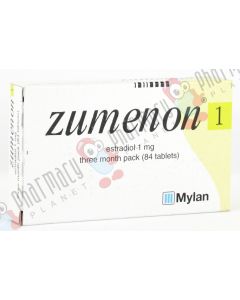
Zumenon is a hormone replacement therapy (THS) that contains the female hor ...

Elleste Solo is used as hormone replacement therapy (HRT) to manage symptom ...

Estraderm MX is a type of Hormone Replacement Therapy (HRT). It comes in th ...

*If this medication is unavailable, our clinical team will reach out to you ...

Evorel is a transdermal patch used in Hormone Replacement Therapy, to relie ...

Femoston is a type of pill used in Hormone Replacement Therapy (HRT) for me ...
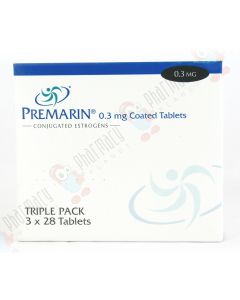
Premarin tablets are used as hormone replacement therapy (HRT). This medica ...

Elleste Duet is a hormonal medication for menopausal women. It contains the ...

FemSeven is used as hormone replacement therapy in women who are experienci ...
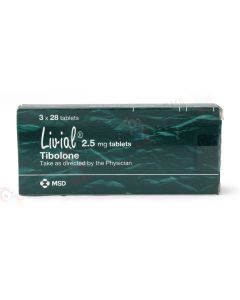
Livial is a medicine used as hormone replacement therapy (HRT). Livial tabl ...

Indivina is a Hormone Replacement Therapy (HRT). It contains two types of f ...
Kliovance is a pill containing an artificial version of estrogen and proges ...
Progynova is a medication that reduces menopausal discomforts, such as hot ...
Lenzetto Spray is a solution that contains small amounts of a medicine call ...
Start your journey with us
Need Help?

Do you have a question about weight loss treatment?
Start your weight loss journey heading in the right direction. Our team are here to help. Whether you’re unsure about which medicine is right for you or need help navigating the world of weight loss drugs, our team are on hand to help you make the right decision. We can put you in touch with one of our experienced weight loss clinicians so you can be sure you’re making the best decision with the most accurate information.
To get in touch, contact our Customer Service team on 0800 978 8956 or email headoffice@pharmacyplanet.com.
Meet the team


References:

Review By
GURDEV SEHMI
Last Updated On : Mar 13 2026
BSc Pharm, MRPharmS, Independent Prescriber, Superintendent Pharmacist, Clinical Lead
GPhC Number: 2050925
Authored By
GURDEV SEHMI
Last Reviewed On : Mar 23 2026
BSc Pharm, MRPharmS, Independent Prescriber, Superintendent Pharmacist, Clinical Lead
GPhC Number: 2050925
Get a free consultation
Speak with one of our clinicians and get personalised advice.
You’re almost there!
It is the prescribers duty to ensure that the medicine is being used safely and appropriately. please answer a few questions about yourself to help us process your request.
- Manesha
Customer Service Team
Confidentiality & Authenticity Assured
- Fully Regulated UK Pharmacy
- Authentic UK sourced medicines only.
- Trading for more than 10 years.
- Information Governance lead ensures all data is confidential
Need Help With Your Questionnaire?
Our customer service team is on hand Monday-Friday to help you with your queries.
Please call us on 08009788956 or
email us at: headoffice@pharmacyplanet.com