



Bhupinder (Boo) Dhaliwale
Ovestin Cream
Ovestin belongs to a group of medications called hormone replacement therapy (HRT). Contains the female hormone estriol (estrogen). Ovestin is used in postmenopausal women who have had their last menstrual period naturally for at least 12 months. It is used to relieve menopausal symptoms in the vagina, such as dryness or irritation. In medical terms, this is known as "vaginal atrophy." This is caused by a drop in estrogen levels in your body. This happens naturally after menopause. If the ovaries are surgically removed (ovariectomy) before menopause, the decrease in estrogen production occurs very abruptly. Estrogen deficiency during menopause can cause the vaginal wall to become thin and dry (vaginal dryness). Therefore, sexual intercourse can be painful and vaginal irritation and infections can occur. Estrogen deficiency can also lead to symptoms like urinary incontinence and recurrent cystitis. Ovestin works by replacing the estrogen that is normally produced in the ovaries. It is inserted into your vagina, so the hormone is released where it is needed. This can alleviate vaginal discomfort.

Consult

Select

Checkout
01
Select
the items you wish
to order
02
Order reviewed
by our qualified
prescriber
03
Delivered
to your door step
Your Selection
Please use the options provided to make your final selection.
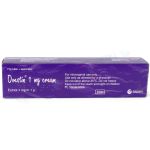
Ovestin Cream
£26
Total
You’re almost there!
It is the prescribers duty to ensure that the medicine is being used safely and appropriately. please answer a few questions about yourself to help us process your request.
Confidentiality & Authenticity Assured
- Fully Regulated UK Pharmacy
- Authentic UK sourced medicines only.
- Trading for more than 10 years.
- Information Governance lead ensures all data is confidential
Need Help With Your Questionnaire?
Our customer service team is on hand Monday-Friday to help you with your queries.
Please call us on 08009788956 or
email us at: headoffice@pharmacyplanet.com
Price Comparison
Select your preferred options and see the best price
| Pack | Price (£) | ||
|---|---|---|---|
| - | - | 15g x 1 Tube | 26.00 |
| - | - | 15g x 2 Tubes | 41.00 |
It looks like you missed filling in questions from the last consultation.Click Here to submit your response.

No subscriptions or hidden fees

Secure checkout

UK Regulated online pharmacy

Trusted by over 250,000+ happy customers
Ovestin Cream
Ovestin Cream is a vaginal cream containing estriol 1mg per gram, applied locally to the vaginal area to relieve the genitourinary symptoms of the menopause. Unlike the systemic HRT preparations described elsewhere on this site, Ovestin acts locally at the vaginal and urethral tissues with minimal absorption into the general circulation. This targeted, tissue-specific approach makes it a clinically distinct option for women whose primary menopausal complaint is vaginal dryness, soreness, itching, or urinary discomfort, rather than vasomotor symptoms such as hot flushes and night sweats.
Estriol is the weakest of the three naturally occurring oestrogens, the others being oestradiol and oestrone. Its weak oestrogenic activity and predominantly local effect mean that most women using Ovestin at the recommended dose, including those who still have a uterus, do not require a separately prescribed progestogen for endometrial protection. This distinguishes it from systemic oestrogen preparations, where progestogen co-prescribing is a clinical requirement for women with an intact womb. However, this guidance applies at the recommended local dose only, and your prescriber will confirm what is appropriate for your individual circumstances.
Ovestin Cream is manufactured by Organon Pharma UK Ltd. It is supplied with a calibrated applicator for vaginal administration. A prescription is required following a clinical consultation.
What Is Ovestin Cream?
Ovestin is a white, aqueous cream containing estriol at a concentration of 1mg per gram. Each tube of Ovestin Cream contains 15g of cream, sufficient for a full treatment course at standard dosing. The cream is supplied with a graduated plastic applicator that enables accurate and consistent dose delivery to the vaginal canal. Each applicator dose delivers 0.5g of cream, providing 0.5mg of estriol.
Estriol differs from the oestradiol found in most systemic HRT preparations in two important pharmacological ways. First, it is the weakest of the naturally occurring oestrogens, with a lower binding affinity for oestrogen receptors than oestradiol. Second, it has a short receptor occupancy time, meaning it binds and dissociates from the oestrogen receptor more rapidly than oestradiol. These two properties combine to produce a tissue-selective effect at the low concentrations achieved by local vaginal application, supporting the health of vaginal and urethral tissues without the sustained systemic receptor stimulation associated with oestradiol.
Ovestin is classified as a Prescription Only Medicine. It is prescribed specifically for women experiencing symptoms of vulvovaginal atrophy and genitourinary syndrome of the menopause. It is not a systemic HRT and does not provide significant relief from vasomotor symptoms such as hot flushes or night sweats.
How Does Ovestin Cream Work?
Estriol and the genitourinary tissues
After the menopause, falling oestrogen levels reduce the cellular activity and hydration of the vaginal and urethral epithelium. The vaginal mucosa becomes thinner, drier, and more fragile, with a reduction in natural secretions and a rise in vaginal pH. These changes produce the symptoms collectively described as vulvovaginal atrophy or genitourinary syndrome of the menopause: dryness, soreness, itching, burning, painful intercourse, and urinary symptoms including urgency, frequency, and recurrent infections.
Estriol in Ovestin Cream acts directly on oestrogen receptors in the vaginal and urethral epithelium. It stimulates cell proliferation, glycogen synthesis, and lactobacillus colonisation of the vaginal mucosa, restoring the thickness, moisture, and acidity of the vaginal environment. It also supports collagen synthesis in the urethral submucosa, which is relevant to bladder neck function and urinary continence. These tissue-level changes address the root cause of genitourinary symptoms rather than masking them.
Why local estriol causes minimal systemic absorption
The vaginal mucosa is a relatively efficient absorptive surface, and some estriol does enter the circulation following vaginal application. However, estriol's short receptor occupancy time and rapid hepatic clearance mean that systemic estriol levels after vaginal administration at standard doses are generally low and transient. The endometrial stimulation associated with sustained systemic oestrogen exposure is not produced at local Ovestin doses, which is why progestogen co-prescribing is generally not required.
This pharmacological distinction is clinically significant. It means Ovestin can be used by women with a uterus who cannot or do not wish to use systemic combined HRT, and by women in whom systemic oestrogen is contraindicated but whose genitourinary symptoms require treatment. The prescriber will confirm whether Ovestin is appropriate for your individual clinical situation.
What Ovestin does not treat
Because Ovestin acts locally, it does not reach the hypothalamus or other organs at concentrations sufficient to reduce hot flushes, night sweats, or mood disturbance. Women experiencing both vasomotor and genitourinary symptoms may need systemic HRT in addition to, or instead of, local estriol. Your prescriber will assess the full symptom picture and recommend the appropriate treatment approach.
How to Take Ovestin Cream
Preparing the applicator
Attach the graduated plastic applicator to the tube nozzle before use. Gently squeeze the tube from the base to fill the applicator barrel to the marked 0.5g line. Do not overfill. Remove the applicator from the tube and recap the tube. The cream is now ready to apply.
Applying the cream
Lie or sit in a comfortable position and gently insert the applicator into the vagina as far as it will go comfortably. Slowly depress the plunger to deposit the cream. Remove the applicator. The cream will distribute over the vaginal walls and begin to act on the epithelial tissues. Some cream may reach the external vulval area during application, which also provides local relief from external dryness and soreness.
Apply Ovestin at night, just before sleeping, unless your prescriber advises otherwise. Applying at night allows the cream to remain in contact with the vaginal tissues for an extended period without the dispersal associated with physical activity during the day.
The initial intensive course
Treatment begins with a daily application of one applicator dose (0.5g of cream, providing 0.5mg of estriol) for two to three weeks. This initial intensive phase allows oestrogen receptors in the atrophied tissues to respond and begin restoring the vaginal epithelium. The cream is applied daily during this period at the same time each day.
The maintenance phase
After the initial intensive course, the dose is reduced to a maintenance schedule of one applicator dose twice weekly. This maintenance frequency provides sufficient ongoing oestrogenic stimulus to preserve the restored tissue health without over-stimulating the local receptor environment. Maintenance treatment continues for as long as your prescriber determines it to be appropriate, with regular reviews.
Cleaning the applicator
After each use, disassemble the applicator and wash all parts in warm, soapy water. Rinse thoroughly and allow to dry before reassembling. Do not boil or use harsh cleaning agents on the plastic parts, as these can damage the applicator and affect accurate dose measurement. A clean applicator at each use is important for hygiene and dose consistency.
Missed application
If you forget a dose during the initial daily phase, apply the cream as soon as you remember and resume the normal schedule. During the twice-weekly maintenance phase, if you miss an application, apply it as soon as you remember and adjust the remaining applications that week to maintain the twice-weekly interval. Do not apply a double dose. Missed applications may slow symptom improvement during the initial phase but do not cause harm.
Dosage and Strengths Available
Ovestin 1mg/g cream: a single strength, two-phase regimen
Ovestin Cream is available in one concentration only: 1mg of estriol per gram of cream. Each applicator delivers 0.5g of cream, containing 0.5mg of estriol. The dosing regimen is structured in two phases. The initial daily phase typically runs for two to three weeks, applying one applicator dose each night. The subsequent maintenance phase reduces to twice-weekly applications, which are continued for as long as the prescriber considers treatment appropriate.
The two-phase approach reflects the biology of tissue restoration. During the initial phase, the relatively higher frequency of application rapidly elevates local tissue estriol concentration, stimulating receptor activity and restoring the cellular architecture of the atrophied epithelium. The maintenance phase then sustains this restored state with the minimum frequency of application clinically needed to prevent regression.
Long-term maintenance: what the evidence supports
Genitourinary syndrome of the menopause is a progressive and chronic condition. Unlike vasomotor symptoms, which frequently improve over time with or without HRT, the cellular atrophy of the vaginal and urethral tissues tends to worsen without local oestrogen treatment. Current guidance from NICE and the British Menopause Society acknowledges that local vaginal oestrogen therapy, including estriol preparations, can be used long term at the lowest effective dose when symptom relief requires it. Your prescriber will review the ongoing appropriateness of maintenance treatment at each clinical review.
Side Effects and Safety Information
Local effects at the application site
Because Ovestin is applied directly to the vaginal and vulval tissues, local effects at the application site are the most commonly reported side effects. In most cases these are mild and transient, particularly during the intensive initial phase when the atrophied tissues are adjusting to restored oestrogenic stimulation:
- Vaginal burning or stinging immediately after application, particularly in severely atrophied tissue
- Local itching or soreness, most pronounced in the first few applications
- Increased vaginal discharge or leucorrhoea as the mucosal glands resume activity
- Mild local erythema of the vulval skin
These effects generally diminish as the vaginal tissues become less atrophied over the first one to two weeks of treatment. Persistent or worsening local irritation should be reported to your prescriber.
Systemic effects at standard local doses
At the recommended twice-weekly maintenance dose, systemic absorption of estriol is low and transient. Some women report breast tenderness or mild nausea during the initial daily application phase, when absorption may be slightly higher as atrophied tissues are more permeable. These systemic effects typically resolve once the maintenance phase begins and the vaginal epithelium has recovered. If breast tenderness or other systemic oestrogenic effects are persistent or significant, report them to your prescriber.
Endometrial monitoring in long-term use
At standard Ovestin doses and frequency, endometrial stimulation is not expected and a progestogen is generally not required. However, the prescriber will assess any unexplained vaginal bleeding, spotting, or change in uterine symptoms in women who still have a uterus, particularly in those who have been using Ovestin for an extended period at higher frequencies. Any unexpected vaginal bleeding in a postmenopausal woman must be reported to a prescriber promptly and investigated.
Serious effects requiring medical assessment
Although systemic absorption at standard doses is low, seek medical advice promptly if you experience:
- Unusual or unexplained vaginal bleeding or spotting
- A new or unexplained breast lump
- Sudden chest pain, breathlessness, or leg swelling, which may indicate a blood clot
- Severe pelvic pain, which may indicate an unrelated gynaecological condition
Long-term risk perspective
Local vaginal oestrogen preparations including estriol cream are associated with a lower systemic oestrogen exposure than transdermal or oral systemic HRT. The breast cancer and venous thromboembolism risks associated with systemic combined HRT are not considered applicable to local vaginal oestrogen at recommended doses, based on current clinical guidance from NICE and the British Menopause Society. Your prescriber will take your full medical history into account when assessing whether Ovestin is appropriate for you.
Who Can Take Ovestin Cream?
Licensed indications
- Relief of symptoms of urogenital oestrogen deficiency at the menopause, including vaginal dryness and soreness, dyspareunia (painful intercourse), recurrent lower urinary tract infections associated with low oestrogen, and urinary urgency and frequency
- Pre-operative and post-operative treatment in postmenopausal women undergoing vaginal surgery, to improve tissue condition
Women for whom local estriol is particularly relevant
Ovestin is a clinically appropriate option for:
- Women whose primary menopausal symptom is genitourinary rather than vasomotor, and who do not require systemic HRT for hot flushes or night sweats
- Women who are unable or unwilling to use systemic HRT but require treatment for vaginal atrophy, including those with certain cardiovascular or breast cancer history considerations
- Women who have completed a course of systemic HRT but continue to experience genitourinary symptoms after stopping
- Women who use systemic HRT but require additional local support for vaginal symptoms not fully relieved by systemic oestrogen alone
Contraindications
Ovestin Cream is contraindicated in women who have, or have had:
- Known, suspected, or previous breast cancer
- Known or suspected other oestrogen-sensitive malignancies
- Undiagnosed abnormal vaginal bleeding
- Untreated endometrial hyperplasia
- Known hypersensitivity to estriol or any cream excipient
Because Ovestin is a local preparation with limited systemic absorption, some of the absolute contraindications applicable to systemic HRT, such as previous venous thromboembolism, carry less clinical weight when assessing local estriol. However, your prescriber will make an individual assessment based on your full medical history. Women with a history of breast cancer should discuss the use of local vaginal oestrogen explicitly with their oncology team and prescriber, as guidance in this group is evolving.
Clinical considerations
Women using oestrogen-sensitive medications, including tamoxifen and aromatase inhibitors used in breast cancer treatment, should not use Ovestin without specific oncological guidance. Discuss all current medicines with your prescriber before starting Ovestin.
Consultation and Prescribing Process
Ovestin is a Prescription Only Medicine. A clinical consultation is the required first step. A prescription is a possible outcome of that assessment, not a certainty. The prescriber must determine whether genitourinary symptoms are attributable to oestrogen deficiency, whether Ovestin is appropriate for the individual patient, and whether any concurrent medical conditions or medicines require particular consideration.
At Pharmacy Planet, your consultation will cover your symptoms and how they are affecting your daily life and comfort, your menopausal status, any current or previous HRT use, your gynaecological and breast history, any current cancer treatments, and all medicines and supplements you are taking. Because Ovestin has a different contraindication and co-prescribing profile from systemic HRT, the consultation questions will reflect this clinical difference.
Women with a personal history of breast cancer will require specific discussion during the consultation. The use of local vaginal oestrogen after breast cancer treatment is an area of evolving clinical guidance. Some oncology guidelines permit its use where quality of life is significantly affected by genitourinary symptoms and where non-hormonal options have been insufficient. The prescriber will take this clinical context into account and may recommend specialist review before issuing a prescription.
Following the initial prescription, your prescriber will typically review treatment within three months to assess symptom response and tolerability. Long-term maintenance prescriptions are reviewed at least annually. Because genitourinary syndrome is a chronic condition, ongoing clinical review remains important throughout the treatment period.
Storage and Handling
Store Ovestin Cream below 25°C in a dry location, away from direct sunlight and heat. Do not freeze the tube, as freezing can alter the cream consistency and affect applicator filling accuracy. Keep the tube capped between uses to prevent moisture contamination and drying of the cream at the nozzle.
Store the applicator in a clean, dry location when not in use. Wash it thoroughly after every application as described in the How to Take section. Do not share the applicator with another person.
Keep all medicines including Ovestin out of the sight and reach of children. Although estriol absorption from incidental skin contact is low, the cream contains an active steroid hormone. Return unused or expired tubes to your community pharmacy for safe disposal. Do not place in household waste or flush down the sink.
Comparing HRT Products by Formulation Type
Choosing the right HRT is a clinical decision, not a one-size-fits-all choice. Delivery route, oestrogen type, progestogen class, and bleed preference all shape which preparation is most appropriate for any individual woman. The table below compares the two local vaginal oestrogen preparations available in this range. Both treat genitourinary syndrome of the menopause only and do not relieve vasomotor symptoms such as hot flushes. At standard maintenance doses, a progestogen is generally not required even in women who still have a uterus, though individual prescriber assessment applies.
| Product | Form | Active / Dose | Primary Use | Progestogen Needed? |
|---|---|---|---|---|
| Ovestin Cream | Vaginal cream | Estriol 1mg/g; 0.5mg per applicator | Vaginal dryness & urogenital atrophy; reusable applicator | Generally not required |
| Vagifem | Vaginal tablet | Oestradiol 10 mcg per pessary | Vaginal atrophy & urogenital symptoms; disposable applicator | Generally not required |
Why Choose Pharmacy Planet?
Pharmacy Planet is a GPhC-registered online pharmacy operating under the clinical oversight of a qualified superintendent pharmacist. All prescriptions are issued by registered healthcare professionals applying clinical evidence, current NICE guidance, and the individual patient's complete medical history.
Prescribing Ovestin involves clinical considerations that differ meaningfully from systemic HRT prescribing. Understanding when a local estriol preparation is appropriate rather than systemic HRT, assessing the progestogen co-prescribing question on an individual basis, navigating the evolving guidance on local vaginal oestrogen use after breast cancer treatment, and identifying women whose genitourinary symptoms require both local and systemic approaches all require clinical knowledge specific to this treatment category.
Genitourinary symptoms are frequently underreported and undertreated, in part because many women feel uncertain about raising intimate symptoms with a healthcare professional. Our consultation process is designed to be confidential, thorough, and free of judgement. If you would like to find out whether Ovestin Cream may be appropriate for your situation, begin a consultation using the link on this page.
References
- Ovestin 1mg/g Cream — Summary of Product Characteristics. Organon Pharma UK Ltd. Available at: https://www.medicines.org.uk/emc. Accessed June 2025.
- NHS. Hormone replacement therapy (HRT). Available at: https://www.nhs.uk/conditions/hormone-replacement-therapy-hrt/. Accessed June 2025.
- NICE. Menopause: diagnosis and management. NG23. Updated December 2019. Available at: https://www.nice.org.uk/guidance/ng23. Accessed June 2025.
- British National Formulary (BNF). Estriol. Available at: https://bnf.nice.org.uk. Accessed June 2025.
- MHRA. Hormone-replacement therapy: updated advice. Drug Safety Update vol 12 issue 11, June 2019. Available at: https://www.gov.uk/drug-safety-update. Accessed June 2025.
- British Menopause Society. Vaginal oestrogen and genitourinary syndrome of the menopause. Available at: https://thebms.org.uk. Accessed June 2025.
- Gandhi J et al. Genitourinary syndrome of menopause: an overview of clinical manifestations, pathophysiology, etiology, evaluation, and management. Am J Obstet Gynecol 2016; 215(6):704–711.
- Nappi RE et al. Local estrogen therapy of vulvovaginal atrophy in peri and postmenopausal women. Maturitas 2016; 83:99–105.
Ovestin Cream
Ovestin Cream is a vaginal cream containing estriol 1mg per gram, applied locally to the vaginal area to relieve the genitourinary symptoms of the menopause. Unlike the systemic HRT preparations described elsewhere on this site, Ovestin acts locally at the vaginal and urethral tissues with minimal absorption into the general circulation. This targeted, tissue-specific approach makes it a clinically distinct option for women whose primary menopausal complaint is vaginal dryness, soreness, itching, or urinary discomfort, rather than vasomotor symptoms such as hot flushes and night sweats.
Estriol is the weakest of the three naturally occurring oestrogens, the others being oestradiol and oestrone. Its weak oestrogenic activity and predominantly local effect mean that most women using Ovestin at the recommended dose, including those who still have a uterus, do not require a separately prescribed progestogen for endometrial protection. This distinguishes it from systemic oestrogen preparations, where progestogen co-prescribing is a clinical requirement for women with an intact womb. However, this guidance applies at the recommended local dose only, and your prescriber will confirm what is appropriate for your individual circumstances.
Ovestin Cream is manufactured by Organon Pharma UK Ltd. It is supplied with a calibrated applicator for vaginal administration. A prescription is required following a clinical consultation.
Ovestin is a white, aqueous cream containing estriol at a concentration of 1mg per gram. Each tube of Ovestin Cream contains 15g of cream, sufficient for a full treatment course at standard dosing. The cream is supplied with a graduated plastic applicator that enables accurate and consistent dose delivery to the vaginal canal. Each applicator dose delivers 0.5g of cream, providing 0.5mg of estriol.
Estriol differs from the oestradiol found in most systemic HRT preparations in two important pharmacological ways. First, it is the weakest of the naturally occurring oestrogens, with a lower binding affinity for oestrogen receptors than oestradiol. Second, it has a short receptor occupancy time, meaning it binds and dissociates from the oestrogen receptor more rapidly than oestradiol. These two properties combine to produce a tissue-selective effect at the low concentrations achieved by local vaginal application, supporting the health of vaginal and urethral tissues without the sustained systemic receptor stimulation associated with oestradiol.
Ovestin is classified as a Prescription Only Medicine. It is prescribed specifically for women experiencing symptoms of vulvovaginal atrophy and genitourinary syndrome of the menopause. It is not a systemic HRT and does not provide significant relief from vasomotor symptoms such as hot flushes or night sweats.
Estriol and the genitourinary tissues
After the menopause, falling oestrogen levels reduce the cellular activity and hydration of the vaginal and urethral epithelium. The vaginal mucosa becomes thinner, drier, and more fragile, with a reduction in natural secretions and a rise in vaginal pH. These changes produce the symptoms collectively described as vulvovaginal atrophy or genitourinary syndrome of the menopause: dryness, soreness, itching, burning, painful intercourse, and urinary symptoms including urgency, frequency, and recurrent infections.
Estriol in Ovestin Cream acts directly on oestrogen receptors in the vaginal and urethral epithelium. It stimulates cell proliferation, glycogen synthesis, and lactobacillus colonisation of the vaginal mucosa, restoring the thickness, moisture, and acidity of the vaginal environment. It also supports collagen synthesis in the urethral submucosa, which is relevant to bladder neck function and urinary continence. These tissue-level changes address the root cause of genitourinary symptoms rather than masking them.
Why local estriol causes minimal systemic absorption
The vaginal mucosa is a relatively efficient absorptive surface, and some estriol does enter the circulation following vaginal application. However, estriol's short receptor occupancy time and rapid hepatic clearance mean that systemic estriol levels after vaginal administration at standard doses are generally low and transient. The endometrial stimulation associated with sustained systemic oestrogen exposure is not produced at local Ovestin doses, which is why progestogen co-prescribing is generally not required.
This pharmacological distinction is clinically significant. It means Ovestin can be used by women with a uterus who cannot or do not wish to use systemic combined HRT, and by women in whom systemic oestrogen is contraindicated but whose genitourinary symptoms require treatment. The prescriber will confirm whether Ovestin is appropriate for your individual clinical situation.
What Ovestin does not treat
Because Ovestin acts locally, it does not reach the hypothalamus or other organs at concentrations sufficient to reduce hot flushes, night sweats, or mood disturbance. Women experiencing both vasomotor and genitourinary symptoms may need systemic HRT in addition to, or instead of, local estriol. Your prescriber will assess the full symptom picture and recommend the appropriate treatment approach.
Preparing the applicator
Attach the graduated plastic applicator to the tube nozzle before use. Gently squeeze the tube from the base to fill the applicator barrel to the marked 0.5g line. Do not overfill. Remove the applicator from the tube and recap the tube. The cream is now ready to apply.
Applying the cream
Lie or sit in a comfortable position and gently insert the applicator into the vagina as far as it will go comfortably. Slowly depress the plunger to deposit the cream. Remove the applicator. The cream will distribute over the vaginal walls and begin to act on the epithelial tissues. Some cream may reach the external vulval area during application, which also provides local relief from external dryness and soreness.
Apply Ovestin at night, just before sleeping, unless your prescriber advises otherwise. Applying at night allows the cream to remain in contact with the vaginal tissues for an extended period without the dispersal associated with physical activity during the day.
The initial intensive course
Treatment begins with a daily application of one applicator dose (0.5g of cream, providing 0.5mg of estriol) for two to three weeks. This initial intensive phase allows oestrogen receptors in the atrophied tissues to respond and begin restoring the vaginal epithelium. The cream is applied daily during this period at the same time each day.
The maintenance phase
After the initial intensive course, the dose is reduced to a maintenance schedule of one applicator dose twice weekly. This maintenance frequency provides sufficient ongoing oestrogenic stimulus to preserve the restored tissue health without over-stimulating the local receptor environment. Maintenance treatment continues for as long as your prescriber determines it to be appropriate, with regular reviews.
Cleaning the applicator
After each use, disassemble the applicator and wash all parts in warm, soapy water. Rinse thoroughly and allow to dry before reassembling. Do not boil or use harsh cleaning agents on the plastic parts, as these can damage the applicator and affect accurate dose measurement. A clean applicator at each use is important for hygiene and dose consistency.
Missed application
If you forget a dose during the initial daily phase, apply the cream as soon as you remember and resume the normal schedule. During the twice-weekly maintenance phase, if you miss an application, apply it as soon as you remember and adjust the remaining applications that week to maintain the twice-weekly interval. Do not apply a double dose. Missed applications may slow symptom improvement during the initial phase but do not cause harm.
Ovestin 1mg/g cream: a single strength, two-phase regimen
Ovestin Cream is available in one concentration only: 1mg of estriol per gram of cream. Each applicator delivers 0.5g of cream, containing 0.5mg of estriol. The dosing regimen is structured in two phases. The initial daily phase typically runs for two to three weeks, applying one applicator dose each night. The subsequent maintenance phase reduces to twice-weekly applications, which are continued for as long as the prescriber considers treatment appropriate.
The two-phase approach reflects the biology of tissue restoration. During the initial phase, the relatively higher frequency of application rapidly elevates local tissue estriol concentration, stimulating receptor activity and restoring the cellular architecture of the atrophied epithelium. The maintenance phase then sustains this restored state with the minimum frequency of application clinically needed to prevent regression.
Long-term maintenance: what the evidence supports
Genitourinary syndrome of the menopause is a progressive and chronic condition. Unlike vasomotor symptoms, which frequently improve over time with or without HRT, the cellular atrophy of the vaginal and urethral tissues tends to worsen without local oestrogen treatment. Current guidance from NICE and the British Menopause Society acknowledges that local vaginal oestrogen therapy, including estriol preparations, can be used long term at the lowest effective dose when symptom relief requires it. Your prescriber will review the ongoing appropriateness of maintenance treatment at each clinical review.
Local effects at the application site
Because Ovestin is applied directly to the vaginal and vulval tissues, local effects at the application site are the most commonly reported side effects. In most cases these are mild and transient, particularly during the intensive initial phase when the atrophied tissues are adjusting to restored oestrogenic stimulation:
- Vaginal burning or stinging immediately after application, particularly in severely atrophied tissue
- Local itching or soreness, most pronounced in the first few applications
- Increased vaginal discharge or leucorrhoea as the mucosal glands resume activity
- Mild local erythema of the vulval skin
These effects generally diminish as the vaginal tissues become less atrophied over the first one to two weeks of treatment. Persistent or worsening local irritation should be reported to your prescriber.
Systemic effects at standard local doses
At the recommended twice-weekly maintenance dose, systemic absorption of estriol is low and transient. Some women report breast tenderness or mild nausea during the initial daily application phase, when absorption may be slightly higher as atrophied tissues are more permeable. These systemic effects typically resolve once the maintenance phase begins and the vaginal epithelium has recovered. If breast tenderness or other systemic oestrogenic effects are persistent or significant, report them to your prescriber.
Endometrial monitoring in long-term use
At standard Ovestin doses and frequency, endometrial stimulation is not expected and a progestogen is generally not required. However, the prescriber will assess any unexplained vaginal bleeding, spotting, or change in uterine symptoms in women who still have a uterus, particularly in those who have been using Ovestin for an extended period at higher frequencies. Any unexpected vaginal bleeding in a postmenopausal woman must be reported to a prescriber promptly and investigated.
Serious effects requiring medical assessment
Although systemic absorption at standard doses is low, seek medical advice promptly if you experience:
- Unusual or unexplained vaginal bleeding or spotting
- A new or unexplained breast lump
- Sudden chest pain, breathlessness, or leg swelling, which may indicate a blood clot
- Severe pelvic pain, which may indicate an unrelated gynaecological condition
Long-term risk perspective
Local vaginal oestrogen preparations including estriol cream are associated with a lower systemic oestrogen exposure than transdermal or oral systemic HRT. The breast cancer and venous thromboembolism risks associated with systemic combined HRT are not considered applicable to local vaginal oestrogen at recommended doses, based on current clinical guidance from NICE and the British Menopause Society. Your prescriber will take your full medical history into account when assessing whether Ovestin is appropriate for you.
Licensed indications
- Relief of symptoms of urogenital oestrogen deficiency at the menopause, including vaginal dryness and soreness, dyspareunia (painful intercourse), recurrent lower urinary tract infections associated with low oestrogen, and urinary urgency and frequency
- Pre-operative and post-operative treatment in postmenopausal women undergoing vaginal surgery, to improve tissue condition
Women for whom local estriol is particularly relevant
Ovestin is a clinically appropriate option for:
- Women whose primary menopausal symptom is genitourinary rather than vasomotor, and who do not require systemic HRT for hot flushes or night sweats
- Women who are unable or unwilling to use systemic HRT but require treatment for vaginal atrophy, including those with certain cardiovascular or breast cancer history considerations
- Women who have completed a course of systemic HRT but continue to experience genitourinary symptoms after stopping
- Women who use systemic HRT but require additional local support for vaginal symptoms not fully relieved by systemic oestrogen alone
Contraindications
Ovestin Cream is contraindicated in women who have, or have had:
- Known, suspected, or previous breast cancer
- Known or suspected other oestrogen-sensitive malignancies
- Undiagnosed abnormal vaginal bleeding
- Untreated endometrial hyperplasia
- Known hypersensitivity to estriol or any cream excipient
Because Ovestin is a local preparation with limited systemic absorption, some of the absolute contraindications applicable to systemic HRT, such as previous venous thromboembolism, carry less clinical weight when assessing local estriol. However, your prescriber will make an individual assessment based on your full medical history. Women with a history of breast cancer should discuss the use of local vaginal oestrogen explicitly with their oncology team and prescriber, as guidance in this group is evolving.
Clinical considerations
Women using oestrogen-sensitive medications, including tamoxifen and aromatase inhibitors used in breast cancer treatment, should not use Ovestin without specific oncological guidance. Discuss all current medicines with your prescriber before starting Ovestin.
Ovestin is a Prescription Only Medicine. A clinical consultation is the required first step. A prescription is a possible outcome of that assessment, not a certainty. The prescriber must determine whether genitourinary symptoms are attributable to oestrogen deficiency, whether Ovestin is appropriate for the individual patient, and whether any concurrent medical conditions or medicines require particular consideration.
At Pharmacy Planet, your consultation will cover your symptoms and how they are affecting your daily life and comfort, your menopausal status, any current or previous HRT use, your gynaecological and breast history, any current cancer treatments, and all medicines and supplements you are taking. Because Ovestin has a different contraindication and co-prescribing profile from systemic HRT, the consultation questions will reflect this clinical difference.
Women with a personal history of breast cancer will require specific discussion during the consultation. The use of local vaginal oestrogen after breast cancer treatment is an area of evolving clinical guidance. Some oncology guidelines permit its use where quality of life is significantly affected by genitourinary symptoms and where non-hormonal options have been insufficient. The prescriber will take this clinical context into account and may recommend specialist review before issuing a prescription.
Following the initial prescription, your prescriber will typically review treatment within three months to assess symptom response and tolerability. Long-term maintenance prescriptions are reviewed at least annually. Because genitourinary syndrome is a chronic condition, ongoing clinical review remains important throughout the treatment period.
Store Ovestin Cream below 25°C in a dry location, away from direct sunlight and heat. Do not freeze the tube, as freezing can alter the cream consistency and affect applicator filling accuracy. Keep the tube capped between uses to prevent moisture contamination and drying of the cream at the nozzle.
Store the applicator in a clean, dry location when not in use. Wash it thoroughly after every application as described in the How to Take section. Do not share the applicator with another person.
Keep all medicines including Ovestin out of the sight and reach of children. Although estriol absorption from incidental skin contact is low, the cream contains an active steroid hormone. Return unused or expired tubes to your community pharmacy for safe disposal. Do not place in household waste or flush down the sink.
Choosing the right HRT is a clinical decision, not a one-size-fits-all choice. Delivery route, oestrogen type, progestogen class, and bleed preference all shape which preparation is most appropriate for any individual woman. The table below compares the two local vaginal oestrogen preparations available in this range. Both treat genitourinary syndrome of the menopause only and do not relieve vasomotor symptoms such as hot flushes. At standard maintenance doses, a progestogen is generally not required even in women who still have a uterus, though individual prescriber assessment applies.
| Product | Form | Active / Dose | Primary Use | Progestogen Needed? |
|---|---|---|---|---|
| Ovestin Cream | Vaginal cream | Estriol 1mg/g; 0.5mg per applicator | Vaginal dryness & urogenital atrophy; reusable applicator | Generally not required |
| Vagifem | Vaginal tablet | Oestradiol 10 mcg per pessary | Vaginal atrophy & urogenital symptoms; disposable applicator | Generally not required |
Pharmacy Planet is a GPhC-registered online pharmacy operating under the clinical oversight of a qualified superintendent pharmacist. All prescriptions are issued by registered healthcare professionals applying clinical evidence, current NICE guidance, and the individual patient's complete medical history.
Prescribing Ovestin involves clinical considerations that differ meaningfully from systemic HRT prescribing. Understanding when a local estriol preparation is appropriate rather than systemic HRT, assessing the progestogen co-prescribing question on an individual basis, navigating the evolving guidance on local vaginal oestrogen use after breast cancer treatment, and identifying women whose genitourinary symptoms require both local and systemic approaches all require clinical knowledge specific to this treatment category.
Genitourinary symptoms are frequently underreported and undertreated, in part because many women feel uncertain about raising intimate symptoms with a healthcare professional. Our consultation process is designed to be confidential, thorough, and free of judgement. If you would like to find out whether Ovestin Cream may be appropriate for your situation, begin a consultation using the link on this page.
- Ovestin 1mg/g Cream — Summary of Product Characteristics. Organon Pharma UK Ltd. Available at: https://www.medicines.org.uk/emc. Accessed June 2025.
- NHS. Hormone replacement therapy (HRT). Available at: https://www.nhs.uk/conditions/hormone-replacement-therapy-hrt/. Accessed June 2025.
- NICE. Menopause: diagnosis and management. NG23. Updated December 2019. Available at: https://www.nice.org.uk/guidance/ng23. Accessed June 2025.
- British National Formulary (BNF). Estriol. Available at: https://bnf.nice.org.uk. Accessed June 2025.
- MHRA. Hormone-replacement therapy: updated advice. Drug Safety Update vol 12 issue 11, June 2019. Available at: https://www.gov.uk/drug-safety-update. Accessed June 2025.
- British Menopause Society. Vaginal oestrogen and genitourinary syndrome of the menopause. Available at: https://thebms.org.uk. Accessed June 2025.
- Gandhi J et al. Genitourinary syndrome of menopause: an overview of clinical manifestations, pathophysiology, etiology, evaluation, and management. Am J Obstet Gynecol 2016; 215(6):704–711.
- Nappi RE et al. Local estrogen therapy of vulvovaginal atrophy in peri and postmenopausal women. Maturitas 2016; 83:99–105.
Frequently Asked Questions
Ovestin Cream is a vaginal cream containing estriol 1mg per gram. It is prescribed to relieve genitourinary symptoms of the menopause, including vaginal dryness, soreness, itching, burning, painful intercourse, and urinary urgency or frequency caused by low oestrogen levels. Unlike systemic HRT, it acts locally on vaginal and urethral tissues rather than throughout the body. It does not relieve systemic menopausal symptoms such as hot flushes or night sweats. It is also used pre-operatively and post-operatively in postmenopausal women having vaginal surgery.
At the recommended local dose, most women do not require a separately prescribed progestogen with Ovestin Cream, including women who still have a uterus. This is because estriol at local vaginal doses produces minimal systemic absorption and does not significantly stimulate the endometrium. This differs from systemic oestrogen preparations, which always require a progestogen in women with a uterus. However, your prescriber will confirm whether a progestogen is needed in your individual case, particularly if you are using higher frequencies than the standard maintenance dose or have any relevant uterine history.
Systemic HRT, including oestradiol patches, gels, tablets, and sprays, delivers oestrogen throughout the body, reaching the hypothalamus, bone, cardiovascular system, and urogenital tissues. It is used for vasomotor symptoms as well as genitourinary symptoms. Ovestin Cream delivers estriol locally to the vaginal and urethral tissues with minimal systemic absorption. It relieves genitourinary symptoms only, not hot flushes or night sweats. It also has a different contraindication and co-prescribing profile, and is generally associated with lower systemic hormonal exposure than transdermal or oral systemic HRT.
Most women notice an improvement in vaginal dryness, soreness, and discomfort within two to four weeks of starting the daily initial application phase. Full tissue restoration, including restored vaginal moisture, improved lubrication during intercourse, and resolution of urinary urgency, may take longer, sometimes six to twelve weeks. Individual response depends on the degree of atrophy at the start of treatment and how consistently the cream is applied. Symptoms often return if treatment is stopped, which is why long-term maintenance treatment at twice-weekly frequency is typically recommended.
Women with a history of breast cancer should discuss the use of local vaginal oestrogen with their oncologist and prescriber before starting Ovestin. Clinical guidance in this group is evolving. Some guidelines now acknowledge that local vaginal oestrogen, including estriol cream, may be considered in women with breast cancer where quality of life is significantly affected by genitourinary symptoms and non-hormonal options have been inadequate. Ovestin remains contraindicated in women with current breast cancer. The prescriber will take your oncological history and current treatment into account.
Yes. The excipients in Ovestin Cream, particularly the cream base components, may weaken latex and polyisoprene condoms and diaphragms, increasing the risk of these devices failing. If you use latex condoms or a diaphragm for contraception, do not apply Ovestin shortly before or at the same time as using them. Use a non-latex contraceptive method, or apply Ovestin at a different time of day from contraceptive use. Discuss with your prescriber or pharmacist if you are unsure about timing.
Both Ovestin Cream and Vagifem pessaries are local vaginal oestrogen preparations for genitourinary symptoms. The main difference is the oestrogen used and the delivery method. Ovestin Cream contains estriol, the weakest natural oestrogen, delivered via a reusable applicator as a cream. Vagifem contains oestradiol, a more potent oestrogen, delivered as a dissolvable tablet pessary. Both are applied intravaginally and act locally. The choice between them depends on individual preference, symptom severity, and clinical assessment by the prescriber.
Yes. Ovestin Cream can be used alongside systemic HRT in women whose vaginal dryness and genitourinary symptoms are not fully relieved by systemic oestrogen alone. Local estriol provides targeted tissue-level support that systemic oestrogen does not always adequately reach at therapeutic doses. Women with a uterus who are using systemic HRT will already have a progestogen prescribed for them, and the addition of Ovestin at standard local doses does not typically require any change to the progestogen regimen. Your prescriber will confirm the most appropriate combined approach for your circumstances.
Indicators that Ovestin Cream is producing a tissue-level response include reduced vaginal dryness during daily activities, reduced burning or soreness, improved comfort during intercourse, less frequent episodes of urinary urgency, and a reduction in recurrent lower urinary tract symptoms. Vaginal pH normalisation is a clinical indicator measured by the prescriber on examination. Most women notice subjective improvement within the first four weeks of daily treatment, with continued improvement into the maintenance phase. If symptoms have not improved after six weeks of consistent use, contact your prescriber for clinical review.
Some women find vaginal applicators uncomfortable, particularly in the early stages of treatment when the vaginal tissues are most atrophied and fragile. Using a small amount of the cream itself as a lubricant on the applicator tip before insertion may help. Inserting the applicator gently while lying down or squatting can also reduce discomfort. If insertion remains painful or distressing after the first week of treatment, contact your prescriber. It may be appropriate to use a smaller volume of cream applied externally to the vulval area rather than intravaginally, though this reduces the contact time with the vaginal tissues.
How it works

Complete our online
clinical consultation
clinical consultation
Answer a few questions on your health and your fitness goals.

Clinical
assessment
assessment
Our clinicians will review your clinical questionnaire to make sure treatment is right for you.

Welcome
aboard!
aboard!
Once approved, you will access our wealth of experience and resources curated by our team and begin your clinical journey.
Treatment options
Premique is a hormonal drug. The drug is used as part of hormonal therapies ...

Vagifem comes in pre-filled disposable applicators. Remove the applicator f ...
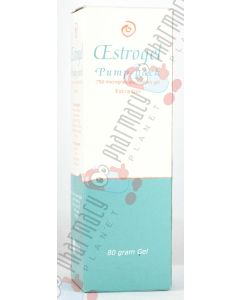
Oestrogel is indicated as hormone replacement therapy (HRT) for: - Treatmen ...
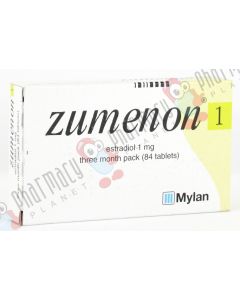
Zumenon is a hormone replacement therapy (THS) that contains the female hor ...
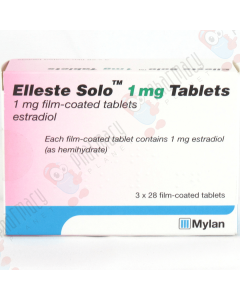
Elleste Solo is used as hormone replacement therapy (HRT) to manage symptom ...
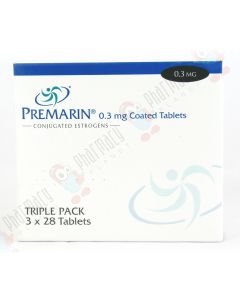
Premarin tablets are used as hormone replacement therapy (HRT). This medica ...
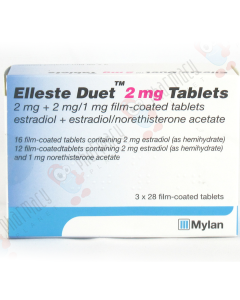
Elleste Duet is a hormonal medication for menopausal women. It contains the ...
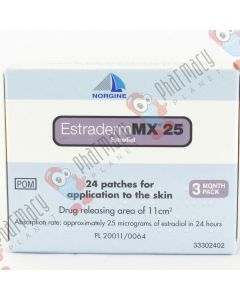
Estraderm MX is a type of Hormone Replacement Therapy (HRT). It comes in th ...
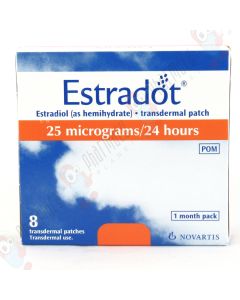
*If this medication is unavailable, our clinical team will reach out to you ...

Evorel is a transdermal patch used in Hormone Replacement Therapy, to relie ...
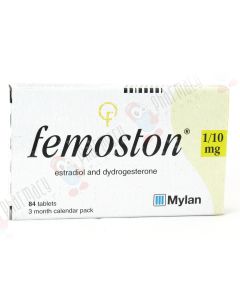
Femoston is a type of pill used in Hormone Replacement Therapy (HRT) for me ...
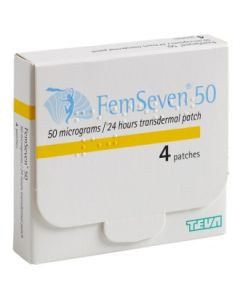
FemSeven is used as hormone replacement therapy in women who are experienci ...
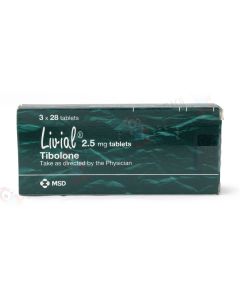
Livial is a medicine used as hormone replacement therapy (HRT). Livial tabl ...
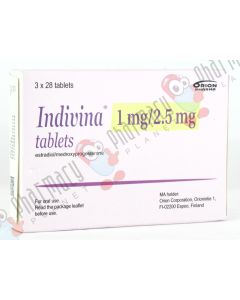
Indivina is a Hormone Replacement Therapy (HRT). It contains two types of f ...
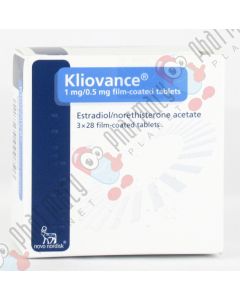
Kliovance is a pill containing an artificial version of estrogen and proges ...
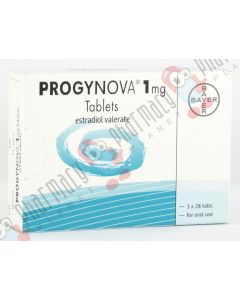
Progynova is a medication that reduces menopausal discomforts, such as hot ...
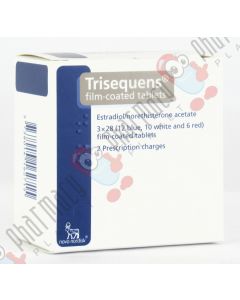
Trisequens is a hormone replacement therapy (HRT), also called hormone ther ...
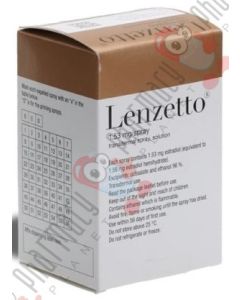
Lenzetto Spray is a solution that contains small amounts of a medicine call ...
Start your journey with us
Need Help?

Do you have a question about weight loss treatment?
Start your weight loss journey heading in the right direction. Our team are here to help. Whether you’re unsure about which medicine is right for you or need help navigating the world of weight loss drugs, our team are on hand to help you make the right decision. We can put you in touch with one of our experienced weight loss clinicians so you can be sure you’re making the best decision with the most accurate information.
To get in touch, contact our Customer Service team on 0800 978 8956 or email headoffice@pharmacyplanet.com.
Meet the team


References:

Review By
GURDEV SEHMI
Last Updated On : Mar 13 2026
BSc Pharm, MRPharmS, Independent Prescriber, Superintendent Pharmacist, Clinical Lead
GPhC Number: 2050925
Authored By
GURDEV SEHMI
Last Reviewed On : Mar 23 2026
BSc Pharm, MRPharmS, Independent Prescriber, Superintendent Pharmacist, Clinical Lead
GPhC Number: 2050925