








Facebook Pixel
New Patients – Get 10% Off Your First Consultation with Code: NEW10 at Checkout

Vitamin D / Colecalciferol (High Strength)

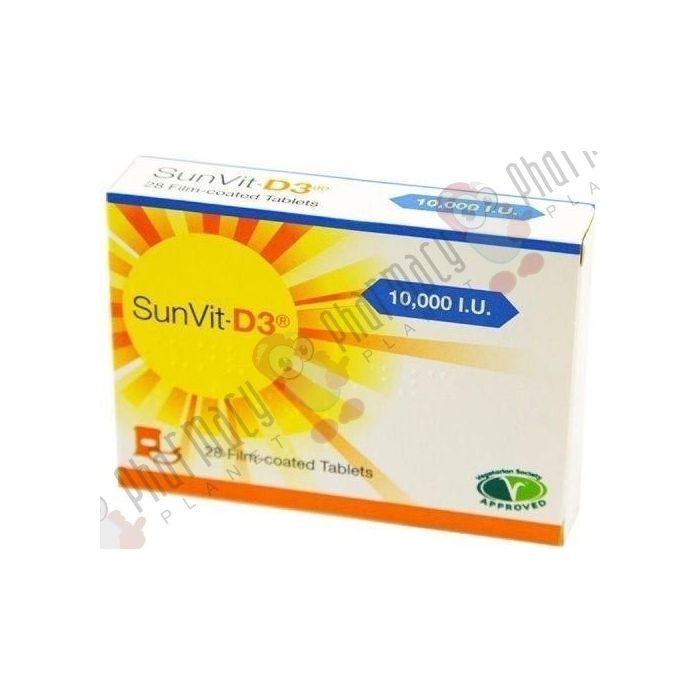
Studies have shown that large sectors of the community have a propensity for vitamin D deficiency. Those with underlying health issues and some ethnic minorities are particularly likely to be deficient. Vitamin D is instrumental in aiding the absorption of calcium for strong bones and assisting the proper functioning of the immune system. It can also help to improve resistance against certain infectious diseases. Taking SunVit-D3 allows you to easily supplement your body’s natural Vitamin D stores that come from the sun. SunVit-D3 tablets are free from gluten, dairy, soya & gelatin making them a suitable option for vegans and vegetarians. The small size of the tablets (at only 6mm) mean they are very easy to swallow and are an important supplement for the health of your bones and immune system.

Consult
Select
Checkout
01
Select

the items you wish
to order

02
Order reviewed

by our qualified
prescriber

03
Delivered

to your door step

Your Selection

Please use the options provided to make your final selection.
prodName
Vitamin D / Colecalciferol (High Strength)
£7.49
Total
Consult
Select
Checkout
Please make a selection

Please note that whilst you are able to request the medicine strength and size required,
we will only be able to send on approval from our in house pharmacist.

Starts at £7.49
Price Comparison

Select your preferred options and see the best price

PackPrice (£)
--x1 (QTY AMENDABLE IN CART)7.49

It looks like you missed filling in questions from the last consultation.Click Here to submit your response.
  • No hidden fees

  • Secure checkout

  • UK Regulated online pharmacy

  • Trusted by over 100,000+ customers

Colecalciferol High Strength Tablets | Vitamin D3 Supplement for Bone Health and Severe Vitamin D Deficiency

IMPORTANT — HIGH-DOSE VITAMIN D: SunVit-D3 10,000 IU (250 mcg) is a high-strength prescription vitamin D product. It is 25 times the standard NHS recommended daily supplement dose of 400 IU. It is prescribed for confirmed vitamin D deficiency and must not be taken without a valid prescription. This dose is used under medical supervision for the treatment of confirmed vitamin D deficiency. Taking this dose without medical supervision can cause vitamin D toxicity (hypervitaminosis D) and raised blood calcium (hypercalcaemia). Blood calcium and vitamin D levels require monitoring during and after treatment. This product must not be taken without a valid prescription.

Vitamin D deficiency is a common medical condition in the UK, particularly among older adults, those with limited sun exposure, and certain population groups. When deficiency is confirmed through blood testing, a loading course of high-dose vitamin D is often required to restore levels to the normal range before beginning maintenance supplementation. Colecalciferol 10,000 IU (250 mcg) is a Prescription Only Medicine used for this purpose under medical supervision. A prescription can only be issued following a clinical consultation.

What Is Colecalciferol 10,000 IU?

Colecalciferol is the pharmaceutical name for vitamin D3, the form of vitamin D most closely resembling that produced naturally in the skin when it is exposed to ultraviolet B sunlight. Colecalciferol 10,000 IU is a high-strength prescription formulation of vitamin D3, providing 250 micrograms (mcg) per dose. This is a therapeutic dose used for the treatment of confirmed vitamin D deficiency and is not a daily supplement product.

For comparison, the NHS recommends a standard daily supplement dose of 10 mcg (400 IU) of vitamin D for all adults to maintain vitamin D status. The 10,000 IU dose is 25 times this amount. It is used in a loading course to rapidly replenish vitamin D stores when blood levels are confirmed to be deficient (typically defined as a serum 25-hydroxyvitamin D level below 25 to 30 nmol/L, though local laboratory reference ranges vary). After completing the loading course, patients are usually maintained on a lower daily dose.

Licensed products containing colecalciferol 10,000 IU in the UK include Stexerol-D3 10,000 IU tablets. Generic colecalciferol 10,000 IU products from other manufacturers may also be available. All contain the same active ingredient and should only be used under medical supervision.

How Does Colecalciferol Work?

Colecalciferol 10,000 IU works through the same mechanism as lower-dose vitamin D supplements, but at a therapeutic level that rapidly replenishes depleted vitamin D stores.

Activation and Mechanism

After oral administration, colecalciferol is absorbed from the gut in the presence of dietary fat. It is then converted in the liver to 25-hydroxyvitamin D (calcidiol), the main circulating storage form of vitamin D measured in blood tests. In the kidneys, 25-hydroxyvitamin D is further converted to the active hormone 1,25-dihydroxyvitamin D (calcitriol), which binds to vitamin D receptors throughout the body.

Bone Health and Calcium Absorption

The primary clinical indication for vitamin D supplementation is the maintenance of normal calcium and phosphorus metabolism for bone health. Vitamin D contributes to the normal absorption of calcium from the intestine. Without adequate vitamin D, calcium absorption falls significantly and the body withdraws calcium from bones to maintain blood calcium levels. Confirmed vitamin D deficiency can lead to osteomalacia (bone softening) in adults, bone pain, muscle weakness, and increased fracture risk. A therapeutic loading course corrects the deficiency and allows bone health to be supported going forward.

Immune Support and Muscle Function

Vitamin D receptors are present throughout the immune system, and adequate vitamin D status is associated with supporting normal immune function. Vitamin D also contributes to normal muscle function. Both of these physiological roles are clinically relevant in deficiency states, where immune function and muscle strength may be impaired. Correcting vitamin D deficiency through a supervised loading course supports the restoration of these normal functions as part of overall clinical management.

How to Take Colecalciferol 10,000 IU

Always take colecalciferol exactly as your prescriber instructs. The dosing regimen for 10,000 IU colecalciferol is prescribed on an individual basis depending on the severity of deficiency, the patient's age, body weight, and the presence of conditions affecting vitamin D metabolism. The information below reflects general clinical practice based on current UK guidelines; your prescriber's specific instructions always take precedence.

  • Take each dose with food containing some fat to maximise colecalciferol absorption.
  • Swallow the tablet or capsule whole with a glass of water.
  • A typical loading regimen for vitamin D deficiency in adults consists of several weekly or fortnightly doses totalling approximately 300,000 IU over several weeks, achieved using 10,000 IU doses taken daily or weekly over the prescribed period, followed by maintenance therapy. Your prescriber will specify the exact number of doses and frequency.
  • Do not take additional vitamin D supplements (including over-the-counter products or multivitamins containing vitamin D) without telling your prescriber, as this may push your total intake above safe levels.
  • Attend all blood monitoring appointments requested by your prescriber. Blood calcium and vitamin D levels should be checked during and after the loading course.
  • Do not extend the loading course beyond the period prescribed. Once loading is complete, you will typically be switched to a lower maintenance dose.
  • Contact your prescriber or seek medical advice if you experience symptoms that could indicate raised blood calcium, including nausea, vomiting, constipation, excessive thirst, frequent urination, muscle weakness, or confusion.

Dosage and Prescribing Regimen

SunVit-D3 10,000 IU: Prescribing Regimen

Colecalciferol 10,000 IU is used as part of a loading regimen to correct confirmed vitamin D deficiency. The total loading dose recommended in UK clinical guidelines (NICE, ROS, RCGP) is typically in the range of 300,000 IU over 6 to 10 weeks for adults with confirmed deficiency. This is usually achieved by taking 10,000 IU doses weekly or fortnightly over this period. The exact regimen is determined by the prescriber based on the patient's blood results and individual clinical circumstances.

Following the loading course, vitamin D status is reassessed with a blood test. Maintenance therapy is then initiated at a lower daily dose, typically 800 to 2,000 IU (20 to 50 mcg) per day, which can be obtained from lower-dose prescription or over-the-counter products. The 10,000 IU loading dose is not intended for indefinite daily use.

Special Populations

In patients with conditions that affect calcium or vitamin D metabolism, such as sarcoidosis, primary hyperparathyroidism, or granulomatous conditions, vitamin D supplementation must be managed with particular caution as these patients are at increased risk of hypercalcaemia. Colecalciferol loading doses should be prescribed by a specialist in these patients. In patients with renal impairment, dose adjustment and close monitoring are required as the kidneys are involved in vitamin D activation.

Side Effects and Safety Information

When used at the prescribed dose under medical supervision, colecalciferol 10,000 IU is safe for most patients. The principal risk is vitamin D toxicity (hypervitaminosis D), which causes raised blood calcium (hypercalcaemia).

Signs of Hypercalcaemia: Seek Medical Advice Promptly

Contact your prescriber or seek medical advice if you experience any of the following during or after a colecalciferol loading course:

  • Nausea, vomiting, or loss of appetite.
  • Constipation.
  • Excessive thirst or dry mouth.
  • Passing urine more frequently than usual.
  • Muscle weakness or aches.
  • Headache.
  • Confusion or difficulty concentrating.
  • Kidney stones (severe back or flank pain).

These symptoms may indicate raised blood calcium and require urgent medical assessment.

Contraindications

Colecalciferol 10,000 IU must not be used in patients with:

  • Hypercalcaemia (raised blood calcium) or hypercalciuria (raised calcium in the urine).
  • Renal calculi (kidney stones containing calcium).
  • Known hypersensitivity to colecalciferol or any excipient.
  • Conditions associated with elevated calcium metabolism such as sarcoidosis, unless under specialist supervision.

Drug Interactions

Tell your prescriber and pharmacist about all medicines you take before starting colecalciferol 10,000 IU.

  • Thiazide diuretics (such as bendroflumethiazide): combined use with vitamin D increases the risk of hypercalcaemia. Calcium and vitamin D levels should be monitored.
  • Digoxin: hypercalcaemia can increase the risk of digoxin toxicity. Monitor carefully if both are prescribed.
  • Orlistat: reduces the absorption of fat soluble vitamins including colecalciferol. Doses may need to be separated.
  • Antiepileptic medicines (phenytoin, phenobarbitone): may reduce vitamin D effectiveness by accelerating its metabolism.

Who Can Take Colecalciferol 10,000 IU?

This Medicine May Be Appropriate If You:

  • Have confirmed vitamin D deficiency on a blood test, with a serum 25-hydroxyvitamin D level indicating deficiency per your local laboratory reference range.
  • Have been assessed by a prescriber who has determined that a loading course is clinically appropriate for your individual circumstances.
  • Do not have contraindications including hypercalcaemia, hypercalciuria, renal calculi, or relevant hypersensitivity.

This Medicine Is Contraindicated If You Have:

  • Hypercalcaemia or hypercalciuria.
  • A history of renal calculi associated with hypercalciuria or hyperuricosuria.
  • Sarcoidosis or other granulomatous disease, unless under specialist supervision.
  • Known hypersensitivity to colecalciferol or any ingredient in the product.

Requires Extra Caution In:

  • Patients with renal impairment. Dose reduction and closer monitoring are needed.
  • Patients taking thiazide diuretics or digoxin.
  • Patients with primary hyperparathyroidism.
  • Patients taking antiepileptic medicines.

Consultation and Prescribing Process

Colecalciferol 10,000 IU is a Prescription Only Medicine. The clinical consultation is the essential first step. A prescription will only be issued if a registered prescriber concludes, based on their individual assessment of your circumstances, that a loading course of high-dose colecalciferol is clinically appropriate for you.

During your online consultation with Pharmacy Planet, a registered prescriber will review the information you provide. This includes your blood test results confirming vitamin D deficiency, current medicines, relevant medical history, and any conditions that may affect calcium or vitamin D metabolism. Recent blood test results showing your 25-hydroxyvitamin D level will be required before a loading prescription can be issued.

Not all consultations will result in a prescription. The prescriber may request more recent blood test results, recommend a lower maintenance dose product if deficiency is borderline rather than confirmed or advise that specialist involvement is needed. This process is designed to protect your safety.

Blood calcium and vitamin D levels must be monitored during and after the loading course. Your prescriber will advise on the appropriate follow-up blood tests and timing. Pharmacy Planet will support you through this monitoring process and can arrange follow-up consultations to review your results and prescribe maintenance therapy once the loading course is complete.

Storage and Handling

Store below 25°C in a dry place. Store in the original packaging, away from light and moisture. Keep out of the sight and reach of children. High dose vitamin D can cause serious harm to children if taken accidentally. Do not use after the expiry date printed on the packaging. Do not dispose of medicines via household waste or wastewater. Return unused or out of date product to your pharmacist for safe disposal. Full storage instructions are provided in the Patient Information Leaflet supplied with your medicine.

Why Choose Pharmacy Planet?

Pharmacy Planet is a GPhC registered online pharmacy providing access to prescription medicines through a clinically led consultation process. Our registered prescribers and pharmacists are committed to patient safety, clinical accuracy, and responsible prescribing. For high-dose prescription vitamin D products such as colecalciferol 10,000 IU, our prescribers review blood test results before prescribing, check for relevant contraindications and drug interactions, and arrange appropriate monitoring follow-up. Every prescription is reviewed and dispensed by qualified healthcare professionals. If you have questions about vitamin D deficiency, the loading regimen, or your blood test results, our pharmacy team is available to help. We are committed to transparent, patient centred care.

References

  1. Electronic Medicines Compendium (eMC). Stexerol-D3 10,000 IU tablets — Summary of Product Characteristics. https://www.medicines.org.uk/emc. Accessed May 2026.
  2. National Institute for Health and Care Excellence (NICE). Vitamin D deficiency in adults — treatment and prevention. NICE guideline. https://cks.nice.org.uk/topics/vitamin-d-deficiency-in-adults. Accessed May 2026.
  3. NHS. Vitamin D. https://www.nhs.uk/conditions/vitamins-and-minerals/vitamin-d. Accessed May 2026.
  4. Joint Formulary Committee. British National Formulary (BNF). Colecalciferol. BMJ Group and Pharmaceutical Press. https://bnf.nice.org.uk. Accessed May 2026.
  5. Medicines and Healthcare products Regulatory Agency (MHRA). Yellow Card — report a side effect. https://yellowcard.mhra.gov.uk. Accessed May 2026.

Vitamin D Products

The table below compares the two vitamin D products in the Vitamins range. Both contain cholecalciferol (vitamin D3) but differ fundamentally in dose, classification, and intended use.

ProductWhat it isWhat it's mainly used forHow you usually take it and what to expect
Valupak Vitamin D 1000 IU (25mcg) TabletsVitamin D3 (cholecalciferol) tablet. 1000 IU (25mcg) per tablet. GSL supplement.Daily vitamin D maintenance supplementation. Supports bone health, calcium absorption, immune function, and muscle function. 2.5 times the NHS recommended 400 IU daily dose.One tablet daily with a meal containing fat. No prescription required. 60 tablets (60-day supply). Check combined vitamin D intake if also taking calcium and vitamin D combination supplements.
Colecalciferol 10,000 IU Tablets (POM)High-strength vitamin D3 (colecalciferol) tablet. 10,000 IU (250mcg) per tablet. Prescription Only Medicine. 28 film-coated tablets. Vegetarian Society approved.Treatment of confirmed vitamin D deficiency under medical supervision. Used as a loading dose or weekly maintenance dose when blood levels confirm deficiency. Not for unsupervised daily use.Dose and frequency prescribed individually. Blood test confirming deficiency required before prescribing. Calcium and vitamin D levels monitored during treatment. Prescription required. Not interchangeable with GSL supplement products.

Important: This comparison is for general information only and does not replace medical advice. A prescriber will decide which treatment is suitable for you following an online consultation.

Colecalciferol High Strength

IMPORTANT — HIGH-DOSE VITAMIN D: SunVit-D3 10,000 IU (250 mcg) is a high-strength prescription vitamin D product. It is 25 times the standard NHS recommended daily supplement dose of 400 IU. It is prescribed for confirmed vitamin D deficiency and must not be taken without a valid prescription. This dose is used under medical supervision for the treatment of confirmed vitamin D deficiency. Taking this dose without medical supervision can cause vitamin D toxicity (hypervitaminosis D) and raised blood calcium (hypercalcaemia). Blood calcium and vitamin D levels require monitoring during and after treatment. This product must not be taken without a valid prescription.

Vitamin D deficiency is a common medical condition in the UK, particularly among older adults, those with limited sun exposure, and certain population groups. When deficiency is confirmed through blood testing, a loading course of high-dose vitamin D is often required to restore levels to the normal range before beginning maintenance supplementation. Colecalciferol 10,000 IU (250 mcg) is a Prescription Only Medicine used for this purpose under medical supervision. A prescription can only be issued following a clinical consultation.

Colecalciferol is the pharmaceutical name for vitamin D3, the form of vitamin D most closely resembling that produced naturally in the skin when it is exposed to ultraviolet B sunlight. Colecalciferol 10,000 IU is a high-strength prescription formulation of vitamin D3, providing 250 micrograms (mcg) per dose. This is a therapeutic dose used for the treatment of confirmed vitamin D deficiency and is not a daily supplement product.

For comparison, the NHS recommends a standard daily supplement dose of 10 mcg (400 IU) of vitamin D for all adults to maintain vitamin D status. The 10,000 IU dose is 25 times this amount. It is used in a loading course to rapidly replenish vitamin D stores when blood levels are confirmed to be deficient (typically defined as a serum 25-hydroxyvitamin D level below 25 to 30 nmol/L, though local laboratory reference ranges vary). After completing the loading course, patients are usually maintained on a lower daily dose.

Licensed products containing colecalciferol 10,000 IU in the UK include Stexerol-D3 10,000 IU tablets. Generic colecalciferol 10,000 IU products from other manufacturers may also be available. All contain the same active ingredient and should only be used under medical supervision.

Colecalciferol 10,000 IU works through the same mechanism as lower-dose vitamin D supplements, but at a therapeutic level that rapidly replenishes depleted vitamin D stores.

Activation and Mechanism

After oral administration, colecalciferol is absorbed from the gut in the presence of dietary fat. It is then converted in the liver to 25-hydroxyvitamin D (calcidiol), the main circulating storage form of vitamin D measured in blood tests. In the kidneys, 25-hydroxyvitamin D is further converted to the active hormone 1,25-dihydroxyvitamin D (calcitriol), which binds to vitamin D receptors throughout the body.

Bone Health and Calcium Absorption

The primary clinical indication for vitamin D supplementation is the maintenance of normal calcium and phosphorus metabolism for bone health. Vitamin D contributes to the normal absorption of calcium from the intestine. Without adequate vitamin D, calcium absorption falls significantly and the body withdraws calcium from bones to maintain blood calcium levels. Confirmed vitamin D deficiency can lead to osteomalacia (bone softening) in adults, bone pain, muscle weakness, and increased fracture risk. A therapeutic loading course corrects the deficiency and allows bone health to be supported going forward.

Immune Support and Muscle Function

Vitamin D receptors are present throughout the immune system, and adequate vitamin D status is associated with supporting normal immune function. Vitamin D also contributes to normal muscle function. Both of these physiological roles are clinically relevant in deficiency states, where immune function and muscle strength may be impaired. Correcting vitamin D deficiency through a supervised loading course supports the restoration of these normal functions as part of overall clinical management.

Always take colecalciferol exactly as your prescriber instructs. The dosing regimen for 10,000 IU colecalciferol is prescribed on an individual basis depending on the severity of deficiency, the patient's age, body weight, and the presence of conditions affecting vitamin D metabolism. The information below reflects general clinical practice based on current UK guidelines; your prescriber's specific instructions always take precedence.

  • Take each dose with food containing some fat to maximise colecalciferol absorption.
  • Swallow the tablet or capsule whole with a glass of water.
  • A typical loading regimen for vitamin D deficiency in adults consists of several weekly or fortnightly doses totalling approximately 300,000 IU over several weeks, achieved using 10,000 IU doses taken daily or weekly over the prescribed period, followed by maintenance therapy. Your prescriber will specify the exact number of doses and frequency.
  • Do not take additional vitamin D supplements (including over-the-counter products or multivitamins containing vitamin D) without telling your prescriber, as this may push your total intake above safe levels.
  • Attend all blood monitoring appointments requested by your prescriber. Blood calcium and vitamin D levels should be checked during and after the loading course.
  • Do not extend the loading course beyond the period prescribed. Once loading is complete, you will typically be switched to a lower maintenance dose.
  • Contact your prescriber or seek medical advice if you experience symptoms that could indicate raised blood calcium, including nausea, vomiting, constipation, excessive thirst, frequent urination, muscle weakness, or confusion.

SunVit-D3 10,000 IU: Prescribing Regimen

Colecalciferol 10,000 IU is used as part of a loading regimen to correct confirmed vitamin D deficiency. The total loading dose recommended in UK clinical guidelines (NICE, ROS, RCGP) is typically in the range of 300,000 IU over 6 to 10 weeks for adults with confirmed deficiency. This is usually achieved by taking 10,000 IU doses weekly or fortnightly over this period. The exact regimen is determined by the prescriber based on the patient's blood results and individual clinical circumstances.

Following the loading course, vitamin D status is reassessed with a blood test. Maintenance therapy is then initiated at a lower daily dose, typically 800 to 2,000 IU (20 to 50 mcg) per day, which can be obtained from lower-dose prescription or over-the-counter products. The 10,000 IU loading dose is not intended for indefinite daily use.

Special Populations

In patients with conditions that affect calcium or vitamin D metabolism, such as sarcoidosis, primary hyperparathyroidism, or granulomatous conditions, vitamin D supplementation must be managed with particular caution as these patients are at increased risk of hypercalcaemia. Colecalciferol loading doses should be prescribed by a specialist in these patients. In patients with renal impairment, dose adjustment and close monitoring are required as the kidneys are involved in vitamin D activation.

When used at the prescribed dose under medical supervision, colecalciferol 10,000 IU is safe for most patients. The principal risk is vitamin D toxicity (hypervitaminosis D), which causes raised blood calcium (hypercalcaemia).

Signs of Hypercalcaemia: Seek Medical Advice Promptly

Contact your prescriber or seek medical advice if you experience any of the following during or after a colecalciferol loading course:

  • Nausea, vomiting, or loss of appetite.
  • Constipation.
  • Excessive thirst or dry mouth.
  • Passing urine more frequently than usual.
  • Muscle weakness or aches.
  • Headache.
  • Confusion or difficulty concentrating.
  • Kidney stones (severe back or flank pain).

These symptoms may indicate raised blood calcium and require urgent medical assessment.

Contraindications

Colecalciferol 10,000 IU must not be used in patients with:

  • Hypercalcaemia (raised blood calcium) or hypercalciuria (raised calcium in the urine).
  • Renal calculi (kidney stones containing calcium).
  • Known hypersensitivity to colecalciferol or any excipient.
  • Conditions associated with elevated calcium metabolism such as sarcoidosis, unless under specialist supervision.

Tell your prescriber and pharmacist about all medicines you take before starting colecalciferol 10,000 IU.

  • Thiazide diuretics (such as bendroflumethiazide): combined use with vitamin D increases the risk of hypercalcaemia. Calcium and vitamin D levels should be monitored.
  • Digoxin: hypercalcaemia can increase the risk of digoxin toxicity. Monitor carefully if both are prescribed.
  • Orlistat: reduces the absorption of fat soluble vitamins including colecalciferol. Doses may need to be separated.
  • Antiepileptic medicines (phenytoin, phenobarbitone): may reduce vitamin D effectiveness by accelerating its metabolism.

This Medicine May Be Appropriate If You:

  • Have confirmed vitamin D deficiency on a blood test, with a serum 25-hydroxyvitamin D level indicating deficiency per your local laboratory reference range.
  • Have been assessed by a prescriber who has determined that a loading course is clinically appropriate for your individual circumstances.
  • Do not have contraindications including hypercalcaemia, hypercalciuria, renal calculi, or relevant hypersensitivity.

This Medicine Is Contraindicated If You Have:

  • Hypercalcaemia or hypercalciuria.
  • A history of renal calculi associated with hypercalciuria or hyperuricosuria.
  • Sarcoidosis or other granulomatous disease, unless under specialist supervision.
  • Known hypersensitivity to colecalciferol or any ingredient in the product.

Requires Extra Caution In:

  • Patients with renal impairment. Dose reduction and closer monitoring are needed.
  • Patients taking thiazide diuretics or digoxin.
  • Patients with primary hyperparathyroidism.
  • Patients taking antiepileptic medicines.

Colecalciferol 10,000 IU is a Prescription Only Medicine. The clinical consultation is the essential first step. A prescription will only be issued if a registered prescriber concludes, based on their individual assessment of your circumstances, that a loading course of high-dose colecalciferol is clinically appropriate for you.

During your online consultation with Pharmacy Planet, a registered prescriber will review the information you provide. This includes your blood test results confirming vitamin D deficiency, current medicines, relevant medical history, and any conditions that may affect calcium or vitamin D metabolism. Recent blood test results showing your 25-hydroxyvitamin D level will be required before a loading prescription can be issued.

Not all consultations will result in a prescription. The prescriber may request more recent blood test results, recommend a lower maintenance dose product if deficiency is borderline rather than confirmed or advise that specialist involvement is needed. This process is designed to protect your safety.

Blood calcium and vitamin D levels must be monitored during and after the loading course. Your prescriber will advise on the appropriate follow-up blood tests and timing. Pharmacy Planet will support you through this monitoring process and can arrange follow-up consultations to review your results and prescribe maintenance therapy once the loading course is complete.

Store below 25°C in a dry place. Store in the original packaging, away from light and moisture. Keep out of the sight and reach of children. High dose vitamin D can cause serious harm to children if taken accidentally. Do not use after the expiry date printed on the packaging. Do not dispose of medicines via household waste or wastewater. Return unused or out of date product to your pharmacist for safe disposal. Full storage instructions are provided in the Patient Information Leaflet supplied with your medicine.

Pharmacy Planet is a GPhC registered online pharmacy providing access to prescription medicines through a clinically led consultation process. Our registered prescribers and pharmacists are committed to patient safety, clinical accuracy, and responsible prescribing. For high-dose prescription vitamin D products such as colecalciferol 10,000 IU, our prescribers review blood test results before prescribing, check for relevant contraindications and drug interactions, and arrange appropriate monitoring follow-up. Every prescription is reviewed and dispensed by qualified healthcare professionals. If you have questions about vitamin D deficiency, the loading regimen, or your blood test results, our pharmacy team is available to help. We are committed to transparent, patient centred care.

References

  1. Electronic Medicines Compendium (eMC). Stexerol-D3 10,000 IU tablets — Summary of Product Characteristics. https://www.medicines.org.uk/emc. Accessed May 2026.
  2. National Institute for Health and Care Excellence (NICE). Vitamin D deficiency in adults — treatment and prevention. NICE guideline. https://cks.nice.org.uk/topics/vitamin-d-deficiency-in-adults. Accessed May 2026.
  3. NHS. Vitamin D. https://www.nhs.uk/conditions/vitamins-and-minerals/vitamin-d. Accessed May 2026.
  4. Joint Formulary Committee. British National Formulary (BNF). Colecalciferol. BMJ Group and Pharmaceutical Press. https://bnf.nice.org.uk. Accessed May 2026.
  5. Medicines and Healthcare products Regulatory Agency (MHRA). Yellow Card — report a side effect. https://yellowcard.mhra.gov.uk. Accessed May 2026.

Vitamin D Products

The table below compares the two vitamin D products in the Vitamins range. Both contain cholecalciferol (vitamin D3) but differ fundamentally in dose, classification, and intended use.

ProductWhat it isWhat it's mainly used forHow you usually take it and what to expect
Valupak Vitamin D 1000 IU (25mcg) TabletsVitamin D3 (cholecalciferol) tablet. 1000 IU (25mcg) per tablet. GSL supplement.Daily vitamin D maintenance supplementation. Supports bone health, calcium absorption, immune function, and muscle function. 2.5 times the NHS recommended 400 IU daily dose.One tablet daily with a meal containing fat. No prescription required. 60 tablets (60-day supply). Check combined vitamin D intake if also taking calcium and vitamin D combination supplements.
Colecalciferol 10,000 IU Tablets (POM)High-strength vitamin D3 (colecalciferol) tablet. 10,000 IU (250mcg) per tablet. Prescription Only Medicine. 28 film-coated tablets. Vegetarian Society approved.Treatment of confirmed vitamin D deficiency under medical supervision. Used as a loading dose or weekly maintenance dose when blood levels confirm deficiency. Not for unsupervised daily use.Dose and frequency prescribed individually. Blood test confirming deficiency required before prescribing. Calcium and vitamin D levels monitored during treatment. Prescription required. Not interchangeable with GSL supplement products.

Important: This comparison is for general information only and does not replace medical advice. A prescriber will decide which treatment is suitable for you following an online consultation.

Frequently Asked Questions

Colecalciferol 10,000 IU is a Prescription Only Medicine used for the treatment of confirmed vitamin D deficiency in adults under medical supervision. It is a therapeutic loading dose, 25 times the standard NHS recommended daily supplement dose of 400 IU. It is not a daily supplement and must not be taken without a valid prescription. A loading course typically involves several doses over 6 to 10 weeks to restore normal vitamin D levels, after which maintenance therapy at a much lower dose is initiated. Blood calcium and vitamin D levels must be monitored during and after the loading course.

When vitamin D levels are confirmed to be deficient through a blood test, the body's vitamin D stores are severely depleted. A standard daily supplement dose of 400 to 1000 IU would take many months to restore levels to normal. A loading course of high-dose colecalciferol rapidly replenishes vitamin D stores, bringing levels back into the normal range within weeks rather than months. This is clinically important in patients with bone pain, muscle weakness, or other symptoms of deficiency. Once loading is complete, a lower maintenance dose is sufficient to maintain adequate vitamin D levels.

The total loading dose recommended in UK guidelines is typically around 300,000 IU over 6 to 10 weeks. For colecalciferol 10,000 IU, this usually means doses taken as directed by your prescriber over the prescribed period, though your prescriber will specify the exact number and frequency based on your blood test results and clinical circumstances. Do not take more doses than prescribed. Once the loading course is complete, your vitamin D and calcium levels will be rechecked and you will be started on a lower maintenance dose.

Taking too much vitamin D causes vitamin D toxicity (hypervitaminosis D), which leads to raised blood calcium (hypercalcaemia). Symptoms include nausea, vomiting, constipation, excessive thirst, frequent urination, muscle weakness, headache, and confusion. Severe hypercalcaemia can affect the kidneys and heart and requires urgent medical treatment. This is why colecalciferol 10,000 IU requires a prescription and blood monitoring. If you experience any of these symptoms during or after your loading course, contact your prescriber or seek urgent medical attention.

Colecalciferol is vitamin D3, derived from animal sources (typically lanolin) and is the form produced in human skin by sunlight. Ergocalciferol is vitamin D2, derived from plant sources and some fungi. Both are used to treat vitamin D deficiency. Research consistently shows that colecalciferol (D3) is more effective at raising and maintaining blood 25-hydroxyvitamin D levels compared with an equivalent dose of ergocalciferol (D2). UK prescribing guidelines generally recommend colecalciferol in preference to ergocalciferol for this reason.

Yes. A blood test confirming vitamin D deficiency is required before a loading course of colecalciferol 10,000 IU is prescribed. The blood test measures serum 25-hydroxyvitamin D (25-OH-D) levels. Blood calcium should also be checked before starting the loading course and during it, as high-dose vitamin D can raise blood calcium, particularly in patients with conditions that affect calcium metabolism. After completing the loading course, vitamin D levels are rechecked to confirm that levels have been restored to normal and to guide the choice of maintenance therapy.

High-dose colecalciferol should be used with caution in patients with kidney disease. The kidneys are responsible for converting 25-hydroxyvitamin D to the active form calcitriol, and kidney function affects vitamin D metabolism. In patients with kidney impairment, dose adjustment and closer monitoring are required. In patients with severe kidney disease, different forms of vitamin D (such as alfacalcidol or calcitriol) that bypass the kidney activation step may be more appropriate. Speak to your prescriber or specialist about the most appropriate form of vitamin D replacement for your level of kidney function.

After completing the colecalciferol 10,000 IU loading course, your prescriber will check your vitamin D blood level and then prescribe a maintenance dose. For most adults in the UK, a maintenance dose of 800 to 2,000 IU (20 to 50 mcg) per day is typical. This is available on prescription as products such as Fultium-D3 or Desunin, or as higher-dose over-the-counter supplements. The exact maintenance dose depends on your lifestyle, risk factors for future deficiency, and your blood test results. Your prescriber will advise you on the most appropriate maintenance regimen for your individual circumstances.

How it works
Start Consultation
Complete our online
clinical consultation

Answer a few questions on your health and your fitness goals.

Setup Coaching
Clinical
assessment

Our clinicians will review your clinical questionnaire to make sure treatment is right for you.

Ongoing Support
Welcome
aboard!

Once approved, you will access our wealth of experience and resources curated by our team and begin your clinical journey.

Start your journey with us

What our patients are saying

Need Help?

question mark
Do you have a question about weight loss treatment?

Start your weight loss journey heading in the right direction. Our team are here to help. Whether you’re unsure about which medicine is right for you or need help navigating the world of weight loss drugs, our team are on hand to help you make the right decision. We can put you in touch with one of our experienced weight loss clinicians so you can be sure you’re making the best decision with the most accurate information.

To get in touch, contact our Customer Service team on 0800 978 8956 or email headoffice@pharmacyplanet.com.

Meet the team
Pharmacist Image

Review By

HARMINDER ‘HARMY’ KAUR

Last Updated On : Mar 13 2026

BSc(hons) Pharmacy

GPhC Number: 2061107

Pharmacist Image

Authored By

GURDEV SEHMI

Last Reviewed On : Mar 23 2026

BSc Pharm, MRPharmS, Independent Prescriber, Superintendent Pharmacist, Clinical Lead

GPhC Number: 2050925