







Valupak Folic Acid
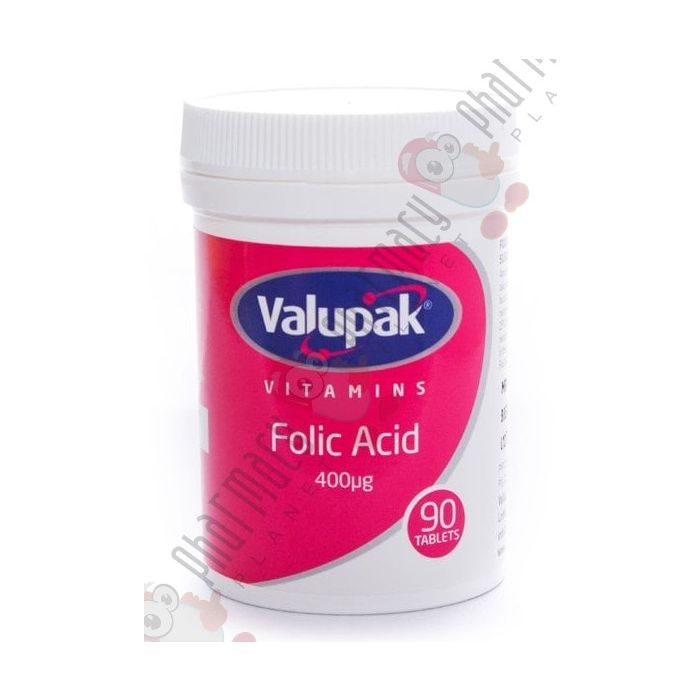
Valupak Folic Acid tablets are a daily folic acid supplement and they help to support you through the first few weeks of your pregnancy. Valupak Folic Acid tablets provide all of the folic acid you need every day, and this allows you to be sure that you’re doing everything you can to support your growing baby.

Select your preferred options and see the best price
| Pack | Price (£) | ||
|---|---|---|---|
| - | - | 90 Tablets | 1.49 |
It looks like you missed filling in questions from the last consultation.Click Here to submit your response.
Notify me once available
Enter your email to get notified
No hidden fees
Secure checkout

UK Regulated online pharmacy
Trusted by over 100,000+ customers
Valupak Folic Acid Tablets | Vitamin B9 Supplement for Folate Deficiency & Pregnancy Support
Folic acid is one of the most widely recommended supplements in the UK, with NHS guidance advising all women who are trying to conceive or are in the first 12 weeks of pregnancy to take a daily supplement. Valupak Folic Acid 400 mcg tablets provide the standard recommended daily dose of folic acid for pregnancy support, formulated as a convenient once daily tablet. Folic acid, also known as vitamin B9, contributes to the normal growth of maternal tissue during pregnancy, supports normal red blood cell production, and plays a critical role in fetal neural tube development. Available without a prescription, Valupak Folic Acid 400 mcg is a practical, affordable daily supplement for women planning a pregnancy or in the early weeks of pregnancy.
What Is Valupak Folic Acid 400mcg?
Valupak Folic Acid 400 mcg tablets are a food supplement containing folic acid, the synthetic form of folate (vitamin B9). Each tablet provides 400 micrograms (mcg) of folic acid, which is the standard dose recommended by the NHS for women who are planning a pregnancy or are in the first 12 weeks of pregnancy. Folic acid at this dose is classified as a General Sale List product and is available without a prescription from pharmacies and retailers.
Folic acid is an essential B vitamin that the body cannot produce itself. It must be obtained through diet or supplementation. Natural food sources of folate include dark green leafy vegetables, beans, fortified breakfast cereals, and liver. However, it can be difficult to obtain sufficient folate from diet alone to meet the increased requirements during early pregnancy, which is why folic acid supplementation is widely recommended.
Important note on dose: The 400 mcg dose is appropriate for most women in the general population who are planning a pregnancy or are in the first 12 weeks. Women in higher-risk groups, including those who have had a previous pregnancy affected by a neural tube defect, those taking certain antiepileptic medicines, women with diabetes, women with coeliac disease, and women with a BMI above 30, are advised to take a higher dose of 5 mg daily. The 5 mg dose requires a prescription. If you are in a higher-risk group, speak to your GP before starting folic acid.
Valupak Folic Acid 400 mcg tablets are suitable for daily use from the time a woman starts planning a pregnancy through to the end of the first 12 weeks of pregnancy. Some women choose to continue taking folic acid throughout pregnancy as part of a pregnancy multivitamin routine.
How Does Folic Acid Work?
Folic acid is converted in the body to its active form, tetrahydrofolate (THF), which participates in essential biological processes critical to cell division and tissue growth.
DNA Synthesis Support and Cell Division
THF and its derivatives act as coenzymes in the synthesis of purines and thymidine, the building blocks of DNA. Without adequate folate, cells cannot efficiently replicate their DNA during division. This impairs the production of all rapidly dividing cells. During the first weeks of pregnancy, rapid cell division is essential for fetal development. Adequate folic acid intake supports this process.
Neural Tube Development
The neural tube is the embryonic structure that forms the brain and spinal cord. It closes during the first 28 days after conception, often before a woman knows she is pregnant. Adequate folic acid in the weeks before and immediately after conception supports normal neural tube closure. NHS guidance recommends starting folic acid supplementation before trying to conceive rather than waiting until pregnancy is confirmed.
Red Blood Cell Production and Anaemia Prevention
Folic acid also contributes to normal red blood cell production. A sustained deficiency of folic acid leads to megaloblastic anaemia, in which red blood cell precursors cannot mature normally. The 400 mcg dose in this supplement supports normal folate levels as part of a healthy diet, contributing to normal red blood cell formation and helping prevent anaemia related to folate deficiency.
Maternal Tissue Growth
Folic acid contributes to normal amino acid synthesis and is necessary for normal maternal tissue growth during pregnancy. This is an authorised health claim for folic acid recognised under UK nutrition and health claims regulations. Adequate folic acid supports the normal growth and development of maternal tissues as pregnancy progresses.
How to Take Valupak Folic Acid 400mcg
Always follow the dosage instructions on the product label.
- Take one tablet daily.
- Folic acid tablets can be taken with or without food.
- Swallow the tablet with a glass of water.
- Take at the same time each day to maintain consistent folate levels.
- Start taking folic acid before you begin trying to conceive if possible. NHS guidance recommends beginning supplementation at least one month before trying to conceive, and ideally longer.
- Continue taking folic acid daily throughout the first 12 weeks of pregnancy.
- After 12 weeks, you may wish to switch to a pregnancy multivitamin supplement that provides folic acid alongside other nutrients important in later pregnancy such as vitamin D. Speak to your midwife about the right supplement approach for the rest of your pregnancy.
- If you are in a higher-risk group and your GP has recommended a 5 mg dose, please note that 400 mcg tablets are not equivalent to 5 mg. Do not attempt to substitute higher-dose prescription folic acid with multiple 400 mcg tablets without medical guidance.
Dosage Available
Valupak Folic Acid 400 mcg Tablets
Each tablet provides 400 micrograms (0.4 mg) of folic acid. This is the standard NHS recommended dose for women planning a pregnancy and in the first 12 weeks of pregnancy. The 400 mcg dose is also taken by some people for general folate nutrient support as part of a balanced diet.
The 400 mcg dose is not the same as the 5 mg therapeutic dose used for women at higher risk of neural tube defect-affected pregnancies or for treatment of clinical folate deficiency. The 5 mg dose is a prescription-only product. If your GP or midwife has recommended 5 mg of folic acid, you will need a separate prescription product.
Side Effects and Safety Information
Folic acid at 400 mcg per day is very well tolerated. Serious side effects are uncommon at this dose.
Possible Side Effects
- Mild gastrointestinal effects such as nausea, loss of appetite, or bloating. These are uncommon at the standard 400 mcg dose.
Important: B12 Deficiency Masking
Folic acid supplementation can correct the blood picture in vitamin B12 deficiency, masking the haematological signs while neurological damage from the B12 deficiency continues undetected. This risk is more relevant at higher therapeutic doses than at 400 mcg. However, if you are over 50, follow a vegan or vegetarian diet, or have any symptoms that could suggest B12 deficiency (such as tingling, fatigue, or memory problems), speak to your GP before starting folic acid supplementation.
Do not take folic acid supplements in addition to a pregnancy multivitamin that already contains folic acid without checking the total daily folic acid content. Most pregnancy multivitamins already provide 400 mcg per day.
Who Can Take Valupak Folic Acid 400mcg?
This Supplement Is Suitable For:
- Women who are planning a pregnancy and wish to start folic acid supplementation before conceiving.
- Women in the first 12 weeks of pregnancy who require the standard 400 mcg dose.
- Adults who wish to supplement their dietary folate intake as a daily vitamin supplement.
- Adults who do not have vitamin B12 deficiency and are not in the higher-risk pregnancy group.
Important Notes on Suitability:
- Women in higher-risk groups for neural tube defects require 5 mg folic acid daily, not 400 mcg. Higher-risk groups include: women who have had a previous pregnancy affected by a neural tube defect; women or their partners who have a neural tube defect; women with diabetes; women with coeliac disease; women taking certain antiepileptic medicines; and women with a BMI above 30. These women need a prescription product.
- If you have been diagnosed with vitamin B12 deficiency or pernicious anaemia, speak to your GP before taking folic acid supplements, as folic acid can mask B12 deficiency symptoms.
- If you take methotrexate for any condition, speak to your GP or pharmacist before taking folic acid supplements. Timing of folic acid in relation to methotrexate doses is important.
- If you take antiepileptic medicines, speak to your GP before starting folic acid, as folic acid may affect the blood levels of some antiepileptic medicines and the appropriate folic acid dose for your situation may differ.
Where to Buy and How to Order
Valupak Folic Acid 400 mcg is a General Sale List product and does not require a prescription or pharmacist consultation. It can be purchased directly through Pharmacy Planet without a clinical consultation.
Pharmacy Planet is a GPhC registered online pharmacy. All products are genuine, properly stored, and handled by qualified pharmacy professionals. We stock a range of prenatal and vitamin supplements to support maternal health and everyday nutrient support.
If you are unsure whether 400 mcg is the right dose for your situation, or if you think you may be in a higher-risk group, our pharmacy team is happy to advise. We also stock prescription-only higher-dose folic acid products for patients who require them following a clinical consultation.
Storage and Handling
Store below 25°C in a cool, dry place. Keep out of direct sunlight. Keep the container tightly closed. Keep out of the sight and reach of children. Do not use after the expiry date printed on the packaging. Full storage instructions are provided on the product packaging.
Why Choose Pharmacy Planet?
Pharmacy Planet is a GPhC registered online pharmacy committed to providing genuine, quality supplements alongside clear, honest information. We stock both the standard 400 mcg folic acid supplement for everyday pregnancy support and prescription-only higher-dose folic acid for those who need it. We follow all applicable GPhC, MHRA, and ASA regulations. All health claims on this page are limited to those authorised under UK nutrition and health claims regulations for folic acid. We are committed to helping you make the right choice for your health at every stage. Our pharmacy team is available to answer questions about folic acid, pregnancy supplements, or any other product we stock. We are committed to transparent, patient centred care.
References
- NHS. Vitamins, supplements and nutrition in pregnancy. https://www.nhs.uk/pregnancy/keeping-well/vitamins-supplements-and-nutrition. Accessed May 2026.
- NHS. Folic acid. https://www.nhs.uk/medicines/folic-acid. Accessed May 2026.
- NHS. Try for a baby — Folic acid. https://www.nhs.uk/pregnancy/trying-for-a-baby/folic-acid. Accessed May 2026.
- European Food Safety Authority (EFSA). Scientific Opinion on the substantiation of health claims related to folate. EFSA Journal. https://efsa.onlinelibrary.wiley.com. Accessed May 2026.
- Medicines and Healthcare products Regulatory Agency (MHRA). Yellow Card — report a side effect. https://yellowcard.mhra.gov.uk. Accessed May 2026.
Folic Acid Products
The table below compares the two folic acid products in the Vitamins range. Both provide folic acid (vitamin B9) but differ in dose, classification, and licensed indication.
| Product | What it is | What it's mainly used for | How you usually take it and what to expect |
|---|---|---|---|
| Valupak Folic Acid 400mcg Tablets | Folic acid (vitamin B9) tablet. 400mcg per tablet. GSL food supplement. | Standard pre-conception and early pregnancy folic acid supplementation for women in the general population. Meets NHS recommended 400mcg pre-conception dose. Also supports general folate intake. | One tablet daily. No prescription required. Start before trying to conceive and continue to week 12 of pregnancy. Not for higher-risk women who need 5mg (prescription dose). |
| Folic Acid Oral Solution 2.5mg/5ml (POM) | Folic acid oral liquid. 2.5mg per 5ml. Prescription Only Medicine. Available as standard syrup and sugar-free formulation. | Treatment of folate deficiency anaemia; high-risk pregnancy prophylaxis (5mg dose); haemolytic anaemia prophylaxis; adjunct to methotrexate therapy. For patients requiring therapeutic doses or unable to swallow tablets. | Dose and duration vary by indication (e.g. 10ml daily for treatment; 10ml daily from pre-conception for high-risk pregnancy). Prescription required. Sugar-free option available for patients with diabetes. |
Important: This comparison is for general information only and does not replace medical advice. A prescriber will decide which treatment is suitable for you following an online consultation.
Important Interactions and Considerations
Valupak Folic Acid 400 mcg has a favourable safety profile at the standard dose. However, the following should be noted:
- Methotrexate: folic acid must not be taken on the same day as methotrexate unless specifically instructed. Speak to your GP or pharmacist before starting folic acid if you take methotrexate.
- Antiepileptic medicines (phenytoin, carbamazepine, phenobarbital): folic acid may reduce the blood levels of some antiepileptic medicines. Blood levels should be monitored when folic acid is started or stopped.
- Vitamin B12 deficiency: folic acid can mask B12 deficiency symptoms. If you are at risk, speak to your GP before supplementing.
Folic acid is one of the most widely recommended supplements in the UK, with NHS guidance advising all women who are trying to conceive or are in the first 12 weeks of pregnancy to take a daily supplement. Valupak Folic Acid 400 mcg tablets provide the standard recommended daily dose of folic acid for pregnancy support, formulated as a convenient once daily tablet. Folic acid, also known as vitamin B9, contributes to the normal growth of maternal tissue during pregnancy, supports normal red blood cell production, and plays a critical role in fetal neural tube development. Available without a prescription, Valupak Folic Acid 400 mcg is a practical, affordable daily supplement for women planning a pregnancy or in the early weeks of pregnancy.
Valupak Folic Acid 400 mcg tablets are a food supplement containing folic acid, the synthetic form of folate (vitamin B9). Each tablet provides 400 micrograms (mcg) of folic acid, which is the standard dose recommended by the NHS for women who are planning a pregnancy or are in the first 12 weeks of pregnancy. Folic acid at this dose is classified as a General Sale List product and is available without a prescription from pharmacies and retailers.
Folic acid is an essential B vitamin that the body cannot produce itself. It must be obtained through diet or supplementation. Natural food sources of folate include dark green leafy vegetables, beans, fortified breakfast cereals, and liver. However, it can be difficult to obtain sufficient folate from diet alone to meet the increased requirements during early pregnancy, which is why folic acid supplementation is widely recommended.
Important note on dose: The 400 mcg dose is appropriate for most women in the general population who are planning a pregnancy or are in the first 12 weeks. Women in higher-risk groups, including those who have had a previous pregnancy affected by a neural tube defect, those taking certain antiepileptic medicines, women with diabetes, women with coeliac disease, and women with a BMI above 30, are advised to take a higher dose of 5 mg daily. The 5 mg dose requires a prescription. If you are in a higher-risk group, speak to your GP before starting folic acid.
Valupak Folic Acid 400 mcg tablets are suitable for daily use from the time a woman starts planning a pregnancy through to the end of the first 12 weeks of pregnancy. Some women choose to continue taking folic acid throughout pregnancy as part of a pregnancy multivitamin routine.
Folic acid is converted in the body to its active form, tetrahydrofolate (THF), which participates in essential biological processes critical to cell division and tissue growth.
DNA Synthesis Support and Cell Division
THF and its derivatives act as coenzymes in the synthesis of purines and thymidine, the building blocks of DNA. Without adequate folate, cells cannot efficiently replicate their DNA during division. This impairs the production of all rapidly dividing cells. During the first weeks of pregnancy, rapid cell division is essential for fetal development. Adequate folic acid intake supports this process.
Neural Tube Development
The neural tube is the embryonic structure that forms the brain and spinal cord. It closes during the first 28 days after conception, often before a woman knows she is pregnant. Adequate folic acid in the weeks before and immediately after conception supports normal neural tube closure. NHS guidance recommends starting folic acid supplementation before trying to conceive rather than waiting until pregnancy is confirmed.
Red Blood Cell Production and Anaemia Prevention
Folic acid also contributes to normal red blood cell production. A sustained deficiency of folic acid leads to megaloblastic anaemia, in which red blood cell precursors cannot mature normally. The 400 mcg dose in this supplement supports normal folate levels as part of a healthy diet, contributing to normal red blood cell formation and helping prevent anaemia related to folate deficiency.
Maternal Tissue Growth
Folic acid contributes to normal amino acid synthesis and is necessary for normal maternal tissue growth during pregnancy. This is an authorised health claim for folic acid recognised under UK nutrition and health claims regulations. Adequate folic acid supports the normal growth and development of maternal tissues as pregnancy progresses.
Always follow the dosage instructions on the product label.
- Take one tablet daily.
- Folic acid tablets can be taken with or without food.
- Swallow the tablet with a glass of water.
- Take at the same time each day to maintain consistent folate levels.
- Start taking folic acid before you begin trying to conceive if possible. NHS guidance recommends beginning supplementation at least one month before trying to conceive, and ideally longer.
- Continue taking folic acid daily throughout the first 12 weeks of pregnancy.
- After 12 weeks, you may wish to switch to a pregnancy multivitamin supplement that provides folic acid alongside other nutrients important in later pregnancy such as vitamin D. Speak to your midwife about the right supplement approach for the rest of your pregnancy.
- If you are in a higher-risk group and your GP has recommended a 5 mg dose, please note that 400 mcg tablets are not equivalent to 5 mg. Do not attempt to substitute higher-dose prescription folic acid with multiple 400 mcg tablets without medical guidance.
Valupak Folic Acid 400 mcg Tablets
Each tablet provides 400 micrograms (0.4 mg) of folic acid. This is the standard NHS recommended dose for women planning a pregnancy and in the first 12 weeks of pregnancy. The 400 mcg dose is also taken by some people for general folate nutrient support as part of a balanced diet.
The 400 mcg dose is not the same as the 5 mg therapeutic dose used for women at higher risk of neural tube defect-affected pregnancies or for treatment of clinical folate deficiency. The 5 mg dose is a prescription-only product. If your GP or midwife has recommended 5 mg of folic acid, you will need a separate prescription product.
Folic acid at 400 mcg per day is very well tolerated. Serious side effects are uncommon at this dose.
Possible Side Effects
- Mild gastrointestinal effects such as nausea, loss of appetite, or bloating. These are uncommon at the standard 400 mcg dose.
Important: B12 Deficiency Masking
Folic acid supplementation can correct the blood picture in vitamin B12 deficiency, masking the haematological signs while neurological damage from the B12 deficiency continues undetected. This risk is more relevant at higher therapeutic doses than at 400 mcg. However, if you are over 50, follow a vegan or vegetarian diet, or have any symptoms that could suggest B12 deficiency (such as tingling, fatigue, or memory problems), speak to your GP before starting folic acid supplementation.
Do not take folic acid supplements in addition to a pregnancy multivitamin that already contains folic acid without checking the total daily folic acid content. Most pregnancy multivitamins already provide 400 mcg per day.
This Supplement Is Suitable For:
- Women who are planning a pregnancy and wish to start folic acid supplementation before conceiving.
- Women in the first 12 weeks of pregnancy who require the standard 400 mcg dose.
- Adults who wish to supplement their dietary folate intake as a daily vitamin supplement.
- Adults who do not have vitamin B12 deficiency and are not in the higher-risk pregnancy group.
Important Notes on Suitability:
- Women in higher-risk groups for neural tube defects require 5 mg folic acid daily, not 400 mcg. Higher-risk groups include: women who have had a previous pregnancy affected by a neural tube defect; women or their partners who have a neural tube defect; women with diabetes; women with coeliac disease; women taking certain antiepileptic medicines; and women with a BMI above 30. These women need a prescription product.
- If you have been diagnosed with vitamin B12 deficiency or pernicious anaemia, speak to your GP before taking folic acid supplements, as folic acid can mask B12 deficiency symptoms.
- If you take methotrexate for any condition, speak to your GP or pharmacist before taking folic acid supplements. Timing of folic acid in relation to methotrexate doses is important.
- If you take antiepileptic medicines, speak to your GP before starting folic acid, as folic acid may affect the blood levels of some antiepileptic medicines and the appropriate folic acid dose for your situation may differ.
Valupak Folic Acid 400 mcg is a General Sale List product and does not require a prescription or pharmacist consultation. It can be purchased directly through Pharmacy Planet without a clinical consultation.
Pharmacy Planet is a GPhC registered online pharmacy. All products are genuine, properly stored, and handled by qualified pharmacy professionals. We stock a range of prenatal and vitamin supplements to support maternal health and everyday nutrient support.
If you are unsure whether 400 mcg is the right dose for your situation, or if you think you may be in a higher-risk group, our pharmacy team is happy to advise. We also stock prescription-only higher-dose folic acid products for patients who require them following a clinical consultation.
Store below 25°C in a cool, dry place. Keep out of direct sunlight. Keep the container tightly closed. Keep out of the sight and reach of children. Do not use after the expiry date printed on the packaging. Full storage instructions are provided on the product packaging.
Pharmacy Planet is a GPhC registered online pharmacy committed to providing genuine, quality supplements alongside clear, honest information. We stock both the standard 400 mcg folic acid supplement for everyday pregnancy support and prescription-only higher-dose folic acid for those who need it. We follow all applicable GPhC, MHRA, and ASA regulations. All health claims on this page are limited to those authorised under UK nutrition and health claims regulations for folic acid. We are committed to helping you make the right choice for your health at every stage. Our pharmacy team is available to answer questions about folic acid, pregnancy supplements, or any other product we stock. We are committed to transparent, patient centred care.
References
- NHS. Vitamins, supplements and nutrition in pregnancy. https://www.nhs.uk/pregnancy/keeping-well/vitamins-supplements-and-nutrition. Accessed May 2026.
- NHS. Folic acid. https://www.nhs.uk/medicines/folic-acid. Accessed May 2026.
- NHS. Try for a baby — Folic acid. https://www.nhs.uk/pregnancy/trying-for-a-baby/folic-acid. Accessed May 2026.
- European Food Safety Authority (EFSA). Scientific Opinion on the substantiation of health claims related to folate. EFSA Journal. https://efsa.onlinelibrary.wiley.com. Accessed May 2026.
- Medicines and Healthcare products Regulatory Agency (MHRA). Yellow Card — report a side effect. https://yellowcard.mhra.gov.uk. Accessed May 2026.
Folic Acid Products
The table below compares the two folic acid products in the Vitamins range. Both provide folic acid (vitamin B9) but differ in dose, classification, and licensed indication.
| Product | What it is | What it's mainly used for | How you usually take it and what to expect |
|---|---|---|---|
| Valupak Folic Acid 400mcg Tablets | Folic acid (vitamin B9) tablet. 400mcg per tablet. GSL food supplement. | Standard pre-conception and early pregnancy folic acid supplementation for women in the general population. Meets NHS recommended 400mcg pre-conception dose. Also supports general folate intake. | One tablet daily. No prescription required. Start before trying to conceive and continue to week 12 of pregnancy. Not for higher-risk women who need 5mg (prescription dose). |
| Folic Acid Oral Solution 2.5mg/5ml (POM) | Folic acid oral liquid. 2.5mg per 5ml. Prescription Only Medicine. Available as standard syrup and sugar-free formulation. | Treatment of folate deficiency anaemia; high-risk pregnancy prophylaxis (5mg dose); haemolytic anaemia prophylaxis; adjunct to methotrexate therapy. For patients requiring therapeutic doses or unable to swallow tablets. | Dose and duration vary by indication (e.g. 10ml daily for treatment; 10ml daily from pre-conception for high-risk pregnancy). Prescription required. Sugar-free option available for patients with diabetes. |
Important: This comparison is for general information only and does not replace medical advice. A prescriber will decide which treatment is suitable for you following an online consultation.
Valupak Folic Acid 400 mcg has a favourable safety profile at the standard dose. However, the following should be noted:
- Methotrexate: folic acid must not be taken on the same day as methotrexate unless specifically instructed. Speak to your GP or pharmacist before starting folic acid if you take methotrexate.
- Antiepileptic medicines (phenytoin, carbamazepine, phenobarbital): folic acid may reduce the blood levels of some antiepileptic medicines. Blood levels should be monitored when folic acid is started or stopped.
- Vitamin B12 deficiency: folic acid can mask B12 deficiency symptoms. If you are at risk, speak to your GP before supplementing.
NHS guidance recommends starting folic acid supplementation before you begin trying to conceive, ideally at least one month beforehand and preferably longer. This is because the neural tube, which forms the baby's brain and spinal cord, closes in the first 28 days after conception, often before a woman realises she is pregnant. Starting folic acid before conception ensures adequate folate levels are present during this critical developmental window. If you are already pregnant and have not yet started folic acid, begin as soon as possible and continue until the end of week 12.
NHS guidance recommends taking 400 mcg of folic acid daily from before conception until the end of week 12 of pregnancy. This covers the period when the neural tube is forming and closing. After week 12, the neural tube development is complete, and the specific folic acid supplementation is less critical. Many women choose to continue folic acid as part of a pregnancy multivitamin for the remainder of pregnancy for general folate nutrient support. Speak to your midwife about the right supplement approach for later pregnancy.
For most women in the general population, 400 mcg per day is the standard NHS recommended dose for pregnancy support and is sufficient for standard neural tube defect prophylaxis. However, women in higher-risk groups require 5 mg (5000 mcg) per day, which is a much higher dose available only on prescription. Higher-risk groups include women who have had a previous pregnancy affected by a neural tube defect, those with diabetes, coeliac disease, or a BMI above 30, and those taking certain antiepileptic medicines. If you think you may be in a higher-risk group, speak to your GP.
Yes. Folic acid is an essential B vitamin for all adults, not only for women who are pregnant. Some research has explored the role of folate in male fertility and sperm health, though this is not an authorised health claim. Men may take folic acid as a general folate supplement as part of a healthy diet and lifestyle. The standard 400 mcg daily dose is appropriate for general adult supplementation. There is no specific concern about men taking folic acid at this dose.
Folate is the natural form of vitamin B9 found in foods such as dark green leafy vegetables, beans, and fortified cereals. Folic acid is the synthetic form used in supplements and added to fortified foods. Folic acid has a higher and more predictable bioavailability than dietary folate. Both are converted by the body to tetrahydrofolate, the active form. Folic acid is the recommended form for supplementation because it is more reliably absorbed. Some people take methylfolate, an already activated form of folate, but for most people standard folic acid is appropriate and recommended.
Check the folic acid content of your pregnancy multivitamin before adding a separate folic acid tablet. Most pregnancy multivitamins already provide 400 mcg of folic acid per day. Adding a separate 400 mcg tablet on top of this would give a total of 800 mcg per day. While this is unlikely to be harmful for most adults, it is generally unnecessary. Read the labels of all supplements you take to keep track of your total daily folic acid intake, and speak to your midwife if you are unsure.
Folic acid supplementation significantly reduces the risk of neural tube defects such as spina bifida, but it does not prevent all cases. Neural tube defects can occur even when folic acid is taken correctly. For most women in the general population, the standard 400 mcg dose reduces risk substantially. For women in higher-risk groups, the 5 mg dose reduces risk further. No supplement can guarantee prevention of a neural tube defect, which is why NHS guidance frames supplementation as reducing risk rather than eliminating it.
It is difficult to consistently obtain sufficient folate from diet alone to meet the increased requirements during early pregnancy. While foods such as dark green leafy vegetables, fortified cereals, and beans contain folate, the amounts are variable, and cooking can reduce the folate content of vegetables. NHS guidance recommends folic acid supplementation for all women planning a pregnancy precisely because dietary folate alone is often insufficient to meet needs during the critical early weeks. A supplement ensures a consistent, reliable daily dose.

clinical consultation
Answer a few questions on your health and your fitness goals.

assessment
Our clinicians will review your clinical questionnaire to make sure treatment is right for you.

aboard!
Once approved, you will access our wealth of experience and resources curated by our team and begin your clinical journey.
Need Help?

Start your weight loss journey heading in the right direction. Our team are here to help. Whether you’re unsure about which medicine is right for you or need help navigating the world of weight loss drugs, our team are on hand to help you make the right decision. We can put you in touch with one of our experienced weight loss clinicians so you can be sure you’re making the best decision with the most accurate information.
To get in touch, contact our Customer Service team on 0800 978 8956 or email headoffice@pharmacyplanet.com.

Review By
GURDEV SEHMI
Last Updated On : Mar 13 2026
BSc Pharm, MRPharmS, Independent Prescriber, Superintendent Pharmacist, Clinical Lead
GPhC Number: 2050925

Authored By
GURDEV SEHMI
Last Reviewed On : Mar 23 2026
BSc Pharm, MRPharmS, Independent Prescriber, Superintendent Pharmacist, Clinical Lead
GPhC Number: 2050925