








Facebook Pixel
New Patients – Get 10% Off Your First Consultation with Code: NEW10 at Checkout

SORBSAN Dressing

Sorbsan is made from the calcium salt of alginic acid, prepared as a textile fibre, and presented as a loose `rope' or packing for cavities, a ribbon for narrow wounds or sinuses, and a flat non-woven pad for application to larger open wounds. When in contact with serum, wound exudate, or solutions containing sodium ions, the insoluble calcium alginate is partially converted to the soluble sodium salt, and a hydrophilic gel is produced, which overlays the wound and provides a micro-environment that is believed to facilitate wound healing.

Consult
Select
Checkout
01
Select

the items you wish
to order

02
Order reviewed

by our qualified
prescriber

03
Delivered

to your door step

Your Selection

Please use the options provided to make your final selection.
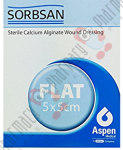
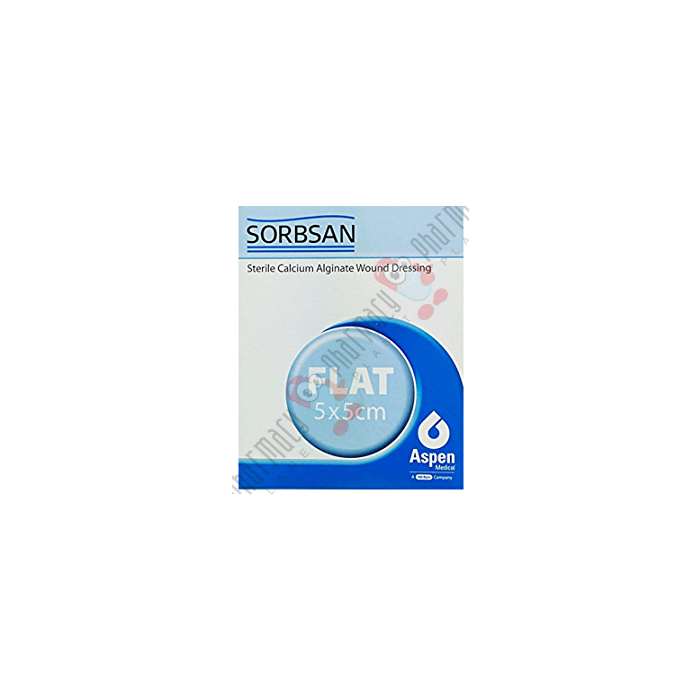
prodName
SORBSAN Dressing
£16.99
Total
Consult
Select
Checkout
Please make a selection

Please note that whilst you are able to request the medicine strength and size required,
we will only be able to send on approval from our in house pharmacist.

Starts at £16.99
Price Comparison

Select your preferred options and see the best price

PackPrice (£)
-5cm x 5cm [10]1 box16.99
-10cm x 20cm [5]1 box33.49
-10cm x 10cm [10]1 box35.99

It looks like you missed filling in questions from the last consultation.Click Here to submit your response.
  • No hidden fees

  • Secure checkout

  • UK Regulated online pharmacy

  • Trusted by over 100,000+ customers

Sorbsan Dressing | Calcium Alginate Dressing for Moderate to Heavy Exudate Wounds

Wounds producing moderate to heavy exudate require a dressing that can absorb the fluid effectively, maintain a moist wound environment, and be removed without trauma to the healing wound bed. Calcium alginate dressings absorb exudate through an ion exchange process that converts the alginate fibres into a soft gel at the wound surface, managing exudate while keeping the wound moist and allowing atraumatic removal. Sorbsan Dressing is a calcium alginate wound dressing from Aspen Medical Europe. Three sizes: 5cm x 5cm (pack of 10), 10cm x 10cm (pack of 10), and 10cm x 20cm (pack of 5). Requires secondary dressing. No prescription required.

What Is Sorbsan Dressing?

Sorbsan Dressing is a regulated medical device from Aspen Medical Europe. It is a primary wound contact dressing manufactured from calcium alginate fibres derived from natural seaweed. The dressing is presented as a flat pad applied directly to the wound surface. When wound exudate contacts the calcium alginate fibres, a chemical exchange occurs between the calcium ions in the fibres and the sodium ions naturally present in wound fluid. This ion exchange converts the fibrous dressing into a soft, conformable gel at the wound surface.

The gel forming property of Sorbsan Dressing is central to its clinical function. The gel produced during the ion exchange maintains a moist wound environment at the wound surface, which supports the healing process. The gel also makes the dressing easier to remove at dressing change: where a dry fibrous dressing might adhere to delicate granulation tissue, the gel state of the Sorbsan fibres allows the dressing to be lifted away from the wound without disrupting the wound bed. If the dressing has dried out between changes, it can be moistened with sterile saline before removal to facilitate atraumatic removal.

Calcium alginate dressings have mild haemostatic properties. The calcium ions released from the dressing during the ion exchange process participate in the coagulation cascade, supporting the natural clotting response at the wound surface. This makes alginate dressings useful in lightly bleeding wounds or wounds that ooze at dressing change. The haemostatic property is a supplementary benefit of the calcium ion release rather than the primary indication for use.

Sorbsan Dressing is a primary wound contact dressing that always requires a secondary dressing to be applied over it. The secondary dressing holds the Sorbsan in place, manages the exudate absorbed by the alginate, provides cushioning and protection, and determines the overall wound dressing system wear time. Three sizes accommodate different wound dimensions: 5cm x 5cm for smaller wounds, 10cm x 10cm for medium wounds, and 10cm x 20cm for larger or elongated wounds.

Sorbsan Dressing must always be covered by an appropriate secondary dressing after application. Do not leave the dressing in place without secondary dressing cover. If the wound is dry or producing very little exudate, moisten the Sorbsan Dressing with sterile saline before application to initiate gel formation and facilitate removal at the next change. Sorbsan is a primary contact dressing, not a complete dressing system.

How Sorbsan Dressing Works

Calcium Alginate Ion Exchange

Calcium alginate is the salt form of alginic acid in which calcium ions occupy the binding sites on the alginate polymer chain. Wound exudate is rich in sodium ions. When the Sorbsan Dressing contacts wound exudate, sodium ions from the exudate displace calcium ions from the alginate binding sites. The calcium ions are released into the wound environment, and the sodium alginate formed is water-soluble and absorbs moisture, swelling and converting the fibrous dressing into a soft gel. The rate of gel formation depends on the volume and sodium content of the wound exudate contacting the dressing.

Exudate Absorption and Moisture Balance

As the calcium alginate converts to sodium alginate gel, it absorbs wound exudate into its structure. This absorption capacity allows the dressing to manage moderate to heavy wound exudate, preventing the exudate from pooling on the wound surface or leaking beyond the dressing margins. At the same time, the gel retains some moisture at the wound surface, maintaining the moist wound environment that supports cell migration, granulation tissue formation, and epithelialisation. The moisture balance maintained by the alginate gel is more controlled than leaving a wound open or covering it with a non-absorbent dressing.

Atraumatic Removal

The conversion of the dry fibrous dressing to a moist gel during wear means that the dressing material at the wound interface is soft and does not adhere tightly to the wound surface in the way that dry fibrous dressings can. At dressing change, the gel state of the Sorbsan allows it to be lifted away from the wound bed with minimal disturbance to the granulation tissue and wound surface. Any residual gel remaining in the wound can be gently irrigated away with sterile saline before the fresh dressing is applied.

Haemostatic Effect

The calcium ions released during the ion exchange process are biologically active. Calcium is a cofactor in several steps of the coagulation cascade that leads to clot formation. The local release of calcium ions at the wound surface from the Sorbsan fibres provides a modest haemostatic effect, which can help to slow minor bleeding or oozing at the wound surface. This property makes Sorbsan appropriate for use in lightly bleeding wounds where mild haemostasis at dressing application is clinically useful.

How to Apply Sorbsan Dressing

Wound Preparation

  • Irrigate the wound with sterile saline before applying the Sorbsan Dressing.
  • Remove any loose debris or necrotic tissue from the wound surface.
  • If the wound is dry or produces very little exudate, moisten the dressing with sterile saline before application to initiate gel formation.

Application

  • Select the appropriate Sorbsan size to cover the wound surface.
  • Apply the dressing directly to the wound bed, ensuring full contact with the wound surface.
  • The dressing should cover the wound and extend slightly onto the surrounding skin margins.
  • Apply an appropriate secondary dressing over the Sorbsan and secure in place.

Removal

  • If the dressing has not fully gelled, moisten with sterile saline before removal.
  • Remove the secondary dressing first, then gently lift the Sorbsan from the wound surface.
  • Irrigate any residual gel from the wound with sterile saline before applying a fresh dressing.

Alginate dressings are not suitable for dry wounds or wounds with no exudate. Apply Sorbsan only to wounds producing sufficient exudate to activate the ion exchange and gel forming process. For dry wounds, a hydrogel such as Purilon Gel or INTRASITE Gel is more appropriate.

Available Sizes

Sorbsan 5cm x 5cm: Pack of 10

A small dressing for minor wounds, small ulcer surfaces, and wound sites where the wound bed does not exceed the 5cm x 5cm dimensions. The pack of 10 provides a supply for multiple dressing changes.

Sorbsan 10cm x 10cm: Pack of 10

A medium dressing for moderate wound sizes, including pressure ulcers, venous leg ulcers, and other chronic wounds with a moderate surface area. The pack of 10 provides a supply for multiple dressing changes.

Sorbsan 10cm x 20cm: Pack of 5

A larger rectangular dressing suited to elongated wounds, larger ulcer surfaces, and wound sites where the rectangular format provides better coverage than a square pad. The pack of 5 provides a supply for several dressing changes.

All three sizes use the same calcium alginate construction. Size selection should ensure the dressing covers the full wound surface. The dressing may be cut to size to fit irregular wound shapes if clinically appropriate.

Safety Information and Precautions

When Not to Use Sorbsan

  • Dry wounds with little or no exudate, where the dressing cannot activate and will adhere to the wound surface.
  • Third degree burns without specialist clinical direction.
  • Known sensitivity to alginates or materials derived from seaweed.

Precautions

  • Always cover with a secondary dressing.
  • Moisten with saline before application to dry wounds and before removal if the dressing has not gelled fully.
  • Reassess the wound at each change.
  • Discontinue if the wound condition changes and a different dressing type is more appropriate.

Adverse Effects

  • Skin sensitivity to alginate material in susceptible individuals.
  • If wound condition worsens or the dressing causes persistent discomfort, seek clinical assessment.

Suitability

Wounds Where Sorbsan Is Appropriate

  • Venous leg ulcers with moderate to heavy exudate where the alginate absorbs exudate and maintains a moist wound healing environment
  • Pressure ulcers with moderate exudate, particularly those with a clean granulating wound bed
  • Diabetic foot wounds and surgical wounds producing moderate to heavy exudate
  • Lightly bleeding wounds, where the mild haemostatic property of calcium alginate is beneficial
  • Cavity wounds where the alginate can be lightly packed into the wound space, with clinical assessment of depth before use

Sorbsan vs Dry or Low-Exudate Wound Management

Sorbsan Dressing requires wound exudate to activate. For dry or necrotic wounds with little exudate, an alginate dressing will not gel and may adhere to the wound surface. In these situations, a hydrogel such as Purilon Gel or INTRASITE Gel is the more appropriate primary dressing choice to rehydrate the wound and initiate autolytic debridement before transitioning to an alginate once exudate levels increase.

Purchasing Sorbsan Dressing

Sorbsan Dressing does not require a prescription. All three sizes are available from Pharmacy Planet without a clinical consultation.

Our pharmacists can advise on size selection and on when Sorbsan or another wound dressing type is more appropriate for a specific wound presentation.

For infected wounds, deeply cavity wounds, or complex wound presentations not responding to dressing treatment, seek clinical assessment alongside purchase.

Storage

  • Store in a cool, dry place away from direct heat and sunlight.
  • Do not store above 25 degrees C.
  • Keep in original sealed sterile packaging until immediately before use.
  • Do not use if the packaging seal is broken.
  • Check expiry date before use.
  • Keep out of reach of children.

Why Choose Pharmacy Planet?

Pharmacy Planet is a GPhC registered online pharmacy. All three Sorbsan Dressing sizes are genuine Aspen Medical Europe products stocked through regulated UK supply chains.

Our pharmacists can advise on Sorbsan and on other wound dressing options across the Aspen Medical Europe range and from other wound care manufacturers.

References

  1. Aspen Medical Europe. Sorbsan Dressing — Product Information. Aspen Medical Europe. https://www.aspenmedicaleurope.com. Accessed June 2026.
  2. National Institute for Health and Care Excellence. Wound care products: selection and prescribing. https://www.nice.org.uk. Accessed June 2026.
  3. NHS. Wound management: dressing selection. NHS England. https://www.england.nhs.uk. Accessed June 2026.
  4. Wounds UK. Best Practice Statement: Wound bed preparation. https://www.wounds-uk.com. Accessed June 2026.
SORBSAN Dressing

Wounds producing moderate to heavy exudate require a dressing that can absorb the fluid effectively, maintain a moist wound environment, and be removed without trauma to the healing wound bed. Calcium alginate dressings absorb exudate through an ion exchange process that converts the alginate fibres into a soft gel at the wound surface, managing exudate while keeping the wound moist and allowing atraumatic removal. Sorbsan Dressing is a calcium alginate wound dressing from Aspen Medical Europe. Three sizes: 5cm x 5cm (pack of 10), 10cm x 10cm (pack of 10), and 10cm x 20cm (pack of 5). Requires secondary dressing. No prescription required.

Sorbsan Dressing is a regulated medical device from Aspen Medical Europe. It is a primary wound contact dressing manufactured from calcium alginate fibres derived from natural seaweed. The dressing is presented as a flat pad applied directly to the wound surface. When wound exudate contacts the calcium alginate fibres, a chemical exchange occurs between the calcium ions in the fibres and the sodium ions naturally present in wound fluid. This ion exchange converts the fibrous dressing into a soft, conformable gel at the wound surface.

The gel forming property of Sorbsan Dressing is central to its clinical function. The gel produced during the ion exchange maintains a moist wound environment at the wound surface, which supports the healing process. The gel also makes the dressing easier to remove at dressing change: where a dry fibrous dressing might adhere to delicate granulation tissue, the gel state of the Sorbsan fibres allows the dressing to be lifted away from the wound without disrupting the wound bed. If the dressing has dried out between changes, it can be moistened with sterile saline before removal to facilitate atraumatic removal.

Calcium alginate dressings have mild haemostatic properties. The calcium ions released from the dressing during the ion exchange process participate in the coagulation cascade, supporting the natural clotting response at the wound surface. This makes alginate dressings useful in lightly bleeding wounds or wounds that ooze at dressing change. The haemostatic property is a supplementary benefit of the calcium ion release rather than the primary indication for use.

Sorbsan Dressing is a primary wound contact dressing that always requires a secondary dressing to be applied over it. The secondary dressing holds the Sorbsan in place, manages the exudate absorbed by the alginate, provides cushioning and protection, and determines the overall wound dressing system wear time. Three sizes accommodate different wound dimensions: 5cm x 5cm for smaller wounds, 10cm x 10cm for medium wounds, and 10cm x 20cm for larger or elongated wounds.

Sorbsan Dressing must always be covered by an appropriate secondary dressing after application. Do not leave the dressing in place without secondary dressing cover. If the wound is dry or producing very little exudate, moisten the Sorbsan Dressing with sterile saline before application to initiate gel formation and facilitate removal at the next change. Sorbsan is a primary contact dressing, not a complete dressing system.

Calcium Alginate Ion Exchange

Calcium alginate is the salt form of alginic acid in which calcium ions occupy the binding sites on the alginate polymer chain. Wound exudate is rich in sodium ions. When the Sorbsan Dressing contacts wound exudate, sodium ions from the exudate displace calcium ions from the alginate binding sites. The calcium ions are released into the wound environment, and the sodium alginate formed is water-soluble and absorbs moisture, swelling and converting the fibrous dressing into a soft gel. The rate of gel formation depends on the volume and sodium content of the wound exudate contacting the dressing.

Exudate Absorption and Moisture Balance

As the calcium alginate converts to sodium alginate gel, it absorbs wound exudate into its structure. This absorption capacity allows the dressing to manage moderate to heavy wound exudate, preventing the exudate from pooling on the wound surface or leaking beyond the dressing margins. At the same time, the gel retains some moisture at the wound surface, maintaining the moist wound environment that supports cell migration, granulation tissue formation, and epithelialisation. The moisture balance maintained by the alginate gel is more controlled than leaving a wound open or covering it with a non-absorbent dressing.

Atraumatic Removal

The conversion of the dry fibrous dressing to a moist gel during wear means that the dressing material at the wound interface is soft and does not adhere tightly to the wound surface in the way that dry fibrous dressings can. At dressing change, the gel state of the Sorbsan allows it to be lifted away from the wound bed with minimal disturbance to the granulation tissue and wound surface. Any residual gel remaining in the wound can be gently irrigated away with sterile saline before the fresh dressing is applied.

Haemostatic Effect

The calcium ions released during the ion exchange process are biologically active. Calcium is a cofactor in several steps of the coagulation cascade that leads to clot formation. The local release of calcium ions at the wound surface from the Sorbsan fibres provides a modest haemostatic effect, which can help to slow minor bleeding or oozing at the wound surface. This property makes Sorbsan appropriate for use in lightly bleeding wounds where mild haemostasis at dressing application is clinically useful.

Wound Preparation

  • Irrigate the wound with sterile saline before applying the Sorbsan Dressing.
  • Remove any loose debris or necrotic tissue from the wound surface.
  • If the wound is dry or produces very little exudate, moisten the dressing with sterile saline before application to initiate gel formation.

Application

  • Select the appropriate Sorbsan size to cover the wound surface.
  • Apply the dressing directly to the wound bed, ensuring full contact with the wound surface.
  • The dressing should cover the wound and extend slightly onto the surrounding skin margins.
  • Apply an appropriate secondary dressing over the Sorbsan and secure in place.

Removal

  • If the dressing has not fully gelled, moisten with sterile saline before removal.
  • Remove the secondary dressing first, then gently lift the Sorbsan from the wound surface.
  • Irrigate any residual gel from the wound with sterile saline before applying a fresh dressing.

Alginate dressings are not suitable for dry wounds or wounds with no exudate. Apply Sorbsan only to wounds producing sufficient exudate to activate the ion exchange and gel forming process. For dry wounds, a hydrogel such as Purilon Gel or INTRASITE Gel is more appropriate.

Sorbsan 5cm x 5cm: Pack of 10

A small dressing for minor wounds, small ulcer surfaces, and wound sites where the wound bed does not exceed the 5cm x 5cm dimensions. The pack of 10 provides a supply for multiple dressing changes.

Sorbsan 10cm x 10cm: Pack of 10

A medium dressing for moderate wound sizes, including pressure ulcers, venous leg ulcers, and other chronic wounds with a moderate surface area. The pack of 10 provides a supply for multiple dressing changes.

Sorbsan 10cm x 20cm: Pack of 5

A larger rectangular dressing suited to elongated wounds, larger ulcer surfaces, and wound sites where the rectangular format provides better coverage than a square pad. The pack of 5 provides a supply for several dressing changes.

All three sizes use the same calcium alginate construction. Size selection should ensure the dressing covers the full wound surface. The dressing may be cut to size to fit irregular wound shapes if clinically appropriate.

When Not to Use Sorbsan

  • Dry wounds with little or no exudate, where the dressing cannot activate and will adhere to the wound surface.
  • Third degree burns without specialist clinical direction.
  • Known sensitivity to alginates or materials derived from seaweed.

Precautions

  • Always cover with a secondary dressing.
  • Moisten with saline before application to dry wounds and before removal if the dressing has not gelled fully.
  • Reassess the wound at each change.
  • Discontinue if the wound condition changes and a different dressing type is more appropriate.

Adverse Effects

  • Skin sensitivity to alginate material in susceptible individuals.
  • If wound condition worsens or the dressing causes persistent discomfort, seek clinical assessment.

Wounds Where Sorbsan Is Appropriate

  • Venous leg ulcers with moderate to heavy exudate where the alginate absorbs exudate and maintains a moist wound healing environment
  • Pressure ulcers with moderate exudate, particularly those with a clean granulating wound bed
  • Diabetic foot wounds and surgical wounds producing moderate to heavy exudate
  • Lightly bleeding wounds, where the mild haemostatic property of calcium alginate is beneficial
  • Cavity wounds where the alginate can be lightly packed into the wound space, with clinical assessment of depth before use

Sorbsan vs Dry or Low-Exudate Wound Management

Sorbsan Dressing requires wound exudate to activate. For dry or necrotic wounds with little exudate, an alginate dressing will not gel and may adhere to the wound surface. In these situations, a hydrogel such as Purilon Gel or INTRASITE Gel is the more appropriate primary dressing choice to rehydrate the wound and initiate autolytic debridement before transitioning to an alginate once exudate levels increase.

Sorbsan Dressing does not require a prescription. All three sizes are available from Pharmacy Planet without a clinical consultation.

Our pharmacists can advise on size selection and on when Sorbsan or another wound dressing type is more appropriate for a specific wound presentation.

For infected wounds, deeply cavity wounds, or complex wound presentations not responding to dressing treatment, seek clinical assessment alongside purchase.

  • Store in a cool, dry place away from direct heat and sunlight.
  • Do not store above 25 degrees C.
  • Keep in original sealed sterile packaging until immediately before use.
  • Do not use if the packaging seal is broken.
  • Check expiry date before use.
  • Keep out of reach of children.

Pharmacy Planet is a GPhC registered online pharmacy. All three Sorbsan Dressing sizes are genuine Aspen Medical Europe products stocked through regulated UK supply chains.

Our pharmacists can advise on Sorbsan and on other wound dressing options across the Aspen Medical Europe range and from other wound care manufacturers.

References

  1. Aspen Medical Europe. Sorbsan Dressing — Product Information. Aspen Medical Europe. https://www.aspenmedicaleurope.com. Accessed June 2026.
  2. National Institute for Health and Care Excellence. Wound care products: selection and prescribing. https://www.nice.org.uk. Accessed June 2026.
  3. NHS. Wound management: dressing selection. NHS England. https://www.england.nhs.uk. Accessed June 2026.
  4. Wounds UK. Best Practice Statement: Wound bed preparation. https://www.wounds-uk.com. Accessed June 2026.
Frequently Asked Questions

Sorbsan Dressing is a calcium alginate wound dressing from Aspen Medical Europe for moderate to heavily exuding wounds. The alginate fibres absorb wound exudate through an ion exchange process and convert to a soft gel at the wound surface, managing exudate while maintaining a moist wound environment. Three sizes: 5cm x 5cm (x10), 10cm x 10cm (x10), and 10cm x 20cm (x5). Requires secondary dressing. No prescription required.

Calcium alginate fibres contain calcium ions at their binding sites. When wound exudate contacts the dressing, sodium ions from the exudate displace the calcium ions from the alginate fibres. This ion exchange converts the calcium alginate into sodium alginate, which absorbs water and swells to form a soft gel. The gel forms progressively as exudate contacts the dressing during the wear period. The rate of gel formation depends on the volume of exudate produced by the wound.

Yes. Sorbsan is a primary wound contact dressing that must always be covered by an appropriate secondary dressing. The secondary dressing holds the Sorbsan in position, manages the exudate absorbed by the alginate, provides cushioning and protection, and determines the overall wear time of the dressing system. Without a secondary dressing, the Sorbsan will dry out and may adhere to the wound surface.

No. Sorbsan requires wound exudate to activate the ion exchange that converts it into a gel. On a dry wound with no or very little exudate, the dressing cannot gel and may adhere to the wound surface, causing trauma on removal. For dry or necrotic wounds, a hydrogel dressing such as Purilon Gel is more appropriate as a first step to rehydrate the wound. Once the wound begins producing exudate as debridement progresses, transitioning to an alginate becomes appropriate.

At each dressing change, remove the secondary dressing first and then gently lift the Sorbsan from the wound surface. If the dressing has not fully gelled and is beginning to adhere to the wound, moisten it with sterile saline before attempting removal. Allow the saline to soften the dressing for a few moments before gently lifting. Any residual alginate gel remaining in the wound after removal can be irrigated away with sterile saline.

Standard calcium alginate dressings, including Sorbsan do not have antimicrobial properties and are not specifically indicated for infected wounds. For wounds with confirmed or suspected infection, seek clinical assessment. An antimicrobial dressing may be more appropriate for the infected phase. Once infection is controlled and the wound is producing moderate to heavy exudate in the granulation phase, alginate dressings become appropriate.

Change frequency depends on exudate levels and the secondary dressing used. Sorbsan can typically be worn for two to three days or until the secondary dressing is saturated. As the wound progresses and exudate levels reduce, the change frequency may decrease. Change earlier if exudate strike-through is visible through the secondary dressing or if wound assessment at each change indicates a change is needed. The secondary dressing choice also affects overall wear time.

No. Sorbsan Dressing is a regulated medical device and does not require a prescription. All three sizes are available from Pharmacy Planet without a clinical consultation. For infected wounds, complex wound presentations, or wounds not responding to dressing treatment, seek clinical assessment.

How it works
Start Consultation
Complete our online
clinical consultation

Answer a few questions on your health and your fitness goals.

Setup Coaching
Clinical
assessment

Our clinicians will review your clinical questionnaire to make sure treatment is right for you.

Ongoing Support
Welcome
aboard!

Once approved, you will access our wealth of experience and resources curated by our team and begin your clinical journey.

Start your journey with us

What our patients are saying

Need Help?

question mark
Do you have a question about weight loss treatment?

Start your weight loss journey heading in the right direction. Our team are here to help. Whether you’re unsure about which medicine is right for you or need help navigating the world of weight loss drugs, our team are on hand to help you make the right decision. We can put you in touch with one of our experienced weight loss clinicians so you can be sure you’re making the best decision with the most accurate information.

To get in touch, contact our Customer Service team on 0800 978 8956 or email headoffice@pharmacyplanet.com.

Meet the team
Pharmacist Image

Review By

HARMINDER ‘HARMY’ KAUR

Last Updated On : Mar 13 2026

BSc(hons) Pharmacy

GPhC Number: 2061107

Pharmacist Image

Authored By

GURDEV SEHMI

Last Reviewed On : Mar 23 2026

BSc Pharm, MRPharmS, Independent Prescriber, Superintendent Pharmacist, Clinical Lead

GPhC Number: 2050925