Facebook Pixel
New Patients – Get 10% Off Your First Consultation with Code: NEW10 at Checkout

Lisinopril Tablets

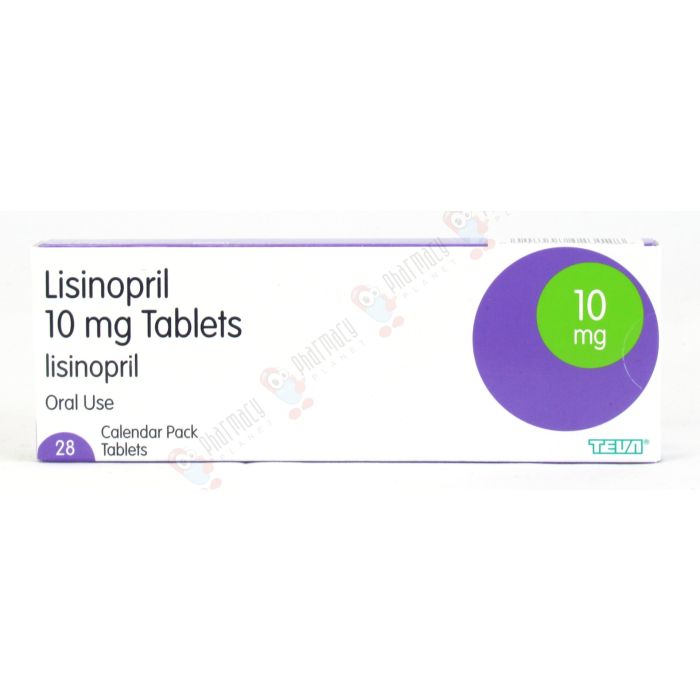
Lisinopril is a drug in the angiotensin-converting enzyme (ACE) inhibitor class and contains the active ingredient Lisinopril dihydrate. It is used primarily in the treatment of high blood pressure (hypertension), heart failure, heart attack (myocardial infarction), and also to prevent kidney and retinal complications of diabetes or to improve kidney function. It is a prescription-only medication and is available in several strengths: 2.5 mg, 5 mg, 10 mg, and 20 mg. Your dose depends on your condition and whether you are taking any other medicines. You can buy Lisinopril tablets from Pharmacy Planet following an online consultation for discreet and fast delivery.
Consult
Select
Checkout
01
Select

the items you wish
to order

02
Order reviewed

by our qualified
prescriber

03
Delivered

to your door step

Your Selection

Please use the options provided to make your final selection.

prodName
Lisinopril Tablets
£20
Total
Consult
Select
Checkout
Please make a selection

Please note that whilst you are able to request the medicine strength and size required,
we will only be able to send on approval from our in house pharmacist.

Starts at £20.00
Manesha
You’re almost there!

It is the prescribers duty to ensure that the medicine is being used safely and appropriately. please answer a few questions about yourself to help us process your request.

- Manesha

Customer Service Team

Confidentiality & Authenticity Assured

  • Fully Regulated UK Pharmacy
  • Authentic UK sourced medicines only.
  • Trading for more than 10 years.
  • Information Governance lead ensures all data is confidential

Need Help With Your Questionnaire?

Our customer service team is on hand Monday-Friday to help you with your queries.

Please call us on 08009788956 or
email us at: headoffice@pharmacyplanet.com

Price Comparison

Select your preferred options and see the best price

PackPrice (£)
-2.5mg84 Tablets24.00
-2.5mg56 Tablets22.00
-2.5mg28 Tablets20.00
-5mg84 Tablets24.00
-5mg56 Tablets22.00
-5mg28 Tablets20.00
-10mg28 Tablets20.00
-10mg84 Tablets24.00
-10mg56 Tablets22.00
-20mg84 Tablets24.00
-20mg56 Tablets22.00
-20mg28 Tablets20.00

It looks like you missed filling in questions from the last consultation.Click Here to submit your response.

  • No hidden fees

  • Secure checkout

  • UK Regulated online pharmacy

  • Trusted by over 100,000+ customers

Lisinopril Tablets | ACE Inhibitor for High Blood Pressure & Heart Failure

Protecting your heart and blood vessels over the long term begins with consistent management of conditions such as high blood pressure and heart failure. Lisinopril tablets are a well-established prescription-only ACE inhibitor used in adults across several cardiovascular indications. Lisinopril is one of the most widely prescribed antihypertensive medicines in the UK and features on the NHS core formulary for blood pressure control and heart failure management. A prescription can only be issued following a clinical consultation.

What Are Lisinopril Tablets?

Lisinopril tablets are an oral prescription medicine containing lisinopril as the active ingredient. Unlike fosinopril and enalapril, lisinopril is an active drug that does not require conversion to an active form in the body, it acts directly as an ACE inhibitor without needing to be metabolised first.

Lisinopril is licensed in the UK for three indications. First, it is used for the treatment of hypertension (high blood pressure). Second, it is used as an adjunctive treatment in adults with symptomatic heart failure alongside conventional therapy such as diuretics and, where appropriate, digoxin. Third, it is used for the short term treatment of haemodynamically stable patients within 24 hours of an acute myocardial infarction (heart attack) to reduce the risk of subsequent heart failure and to improve survival. This third indication is typically managed in hospital and would not be initiated through an online prescribing service.

Lisinopril is available as a generic medicine from multiple manufacturers. Four strengths are available through this service: 2.5 mg, 5 mg, 10 mg, and 20 mg. The large range of available strengths supports careful dose titration across all three licensed indications.

How Do Lisinopril Tablets Work?

Lisinopril works by inhibiting the angiotensin-converting enzyme (ACE), a key enzyme in the renin-angiotensin system. This system plays a central role in blood pressure regulation and fluid balance.

The Renin-Angiotensin System

The renin-angiotensin system regulates blood pressure through a hormonal cascade. The kidneys release renin in response to low blood pressure or low sodium. Renin triggers the conversion of angiotensinogen to angiotensin I, which is then converted by ACE to angiotensin II. Angiotensin II causes blood vessels to narrow and stimulates the release of aldosterone, which causes the kidneys to retain sodium and water. Both effects raise blood pressure.

ACE Inhibition

Lisinopril blocks the ACE enzyme directly. By preventing the conversion of angiotensin I to angiotensin II, lisinopril stops the downstream vasoconstriction and sodium retention that angiotensin II would cause. Blood vessels remain relaxed and widened, circulating fluid volume decreases modestly, and blood pressure falls as a result.

In heart failure, this reduction in vascular resistance and circulating volume reduces the workload on the heart. The heart can pump more efficiently against lower resistance, which helps to improve symptoms and cardiac function. This cardiovascular protective effect is why ACE inhibitors are a cornerstone of heart failure therapy and why lisinopril holds its multiple licensed indications.

Unlike some other ACE inhibitors, lisinopril is not a prodrug. It is absorbed directly from the gut and exerts its effect without requiring hepatic conversion. It is also eliminated primarily by the kidneys, which is a consideration in patients with impaired kidney function.

How to Take Lisinopril Tablets

Always take lisinopril exactly as your prescriber instructs. The information below summarises key points from the current UK SmPC. Read the Patient Information Leaflet supplied with your medicine before starting treatment.

  • Take lisinopril once daily, at approximately the same time each day.
  • Lisinopril can be taken with or without food.
  • Swallow the tablet whole with a glass of water.
  • If you miss a dose, take it as soon as you remember on the same day. If you only remember the following day, skip the missed dose and continue with your normal schedule. Do not take two doses on the same day.
  • Do not stop taking lisinopril without speaking to your prescriber first. High blood pressure and heart failure both require ongoing management, and stopping suddenly can allow these conditions to worsen.
  • Your prescriber will typically start you at a lower dose and increase it gradually over several weeks, monitoring your blood pressure, kidney function, and potassium levels. This gradual titration approach is standard for ACE inhibitors and is particularly important in heart failure and in patients taking diuretics. Attend all follow up appointments so that your response to treatment can be assessed safely.

Dosage and Strengths Available

Lisinopril is available in four strengths. The appropriate dose depends on the indication being treated and your individual clinical response. All dosing decisions are made by your prescriber.

Lisinopril 2.5 mg Tablets

The 2.5 mg tablet is the lowest available strength. It is used as the starting dose in patients where extra caution is required at initiation, particularly in heart failure patients, those with very low blood pressure, patients with significant kidney impairment, or those taking diuretics who may be at risk of a first dose blood pressure drop. Starting at 2.5 mg allows the prescriber to assess tolerability before any dose increase.

Lisinopril 5 mg Tablets

The 5 mg tablet is a common starting dose for hypertension in adults who do not have the clinical risk factors that would require the 2.5 mg starting dose. For heart failure, 5 mg may also be used as an early maintenance dose following careful dose titration from 2.5 mg.

Lisinopril 10 mg Tablets

The 10 mg tablet is a standard maintenance dose for hypertension and is within the usual therapeutic range for heart failure. Many patients will be established on 10 mg once daily for long term blood pressure control. If blood pressure is not adequately controlled at 10 mg, the prescriber may consider increasing to 20 mg.

Lisinopril 20 mg Tablets

The 20 mg tablet is the standard maximum dose for hypertension, though some patients may be maintained on doses up to 40 mg under specialist guidance. In heart failure, target doses of up to 35 mg once daily are used in some clinical protocols, though the SmPC licensed maximum for hypertension is 40 mg. All dose escalation decisions rest with the prescriber. Do not change your dose without medical advice.

Side Effects and Safety Information

Like all medicines, lisinopril can cause side effects, although not everyone experiences them. The information below is based on the current UK SmPC. Refer to the Patient Information Leaflet for the full list of side effects.

Common Side Effects (may affect up to 1 in 10 people)

  • Dry, persistent cough. This is the most frequently reported side effect of lisinopril and other ACE inhibitors. It results from the accumulation of bradykinin caused by ACE inhibition and can occur at any time during treatment. If the cough is troublesome, speak to your prescriber about alternatives.
  • Dizziness or lightheadedness, particularly on standing. This is more likely at the start of treatment or after a dose increase.
  • Headache
  • Fatigue

Uncommon Side Effects (may affect up to 1 in 100 people)

  • Nausea, vomiting, or diarrhoea
  • Raised blood potassium (hyperkalaemia), which may cause muscle weakness or palpitations
  • Changes in kidney function, particularly in patients with pre existing kidney disease or renovascular disease
  • Skin rash

Serious Side Effects: Seek Urgent Medical Attention

Go to your nearest accident and emergency department or call 999 immediately if you experience:

  • Angioedema: sudden swelling of the face, lips, tongue, or throat. This is a rare but potentially life threatening reaction associated with all ACE inhibitors, including lisinopril. It can occur at any point during treatment. Swelling of the throat can obstruct breathing and requires emergency medical attention immediately.
  • Signs of severely raised potassium such as muscle weakness, an irregular heartbeat, or confusion
  • Signs of a significant reduction in kidney function such as a marked fall in urine output

Report any suspected side effect to your prescriber, pharmacist, or via the MHRA Yellow Card scheme at yellowcard.mhra.gov.uk.

Who Can Take Lisinopril Tablets?

Lisinopril Tablets May Be Suitable If You:

  • Are an adult with a confirmed diagnosis of hypertension
  • Have symptomatic heart failure and are being treated with conventional therapy including diuretics
  • Are already prescribed lisinopril and require a repeat prescription through an online prescribing service

Lisinopril Tablets Are Not Suitable If You:

  • Are pregnant or planning to become pregnant. Lisinopril is contraindicated in pregnancy. ACE inhibitors can cause serious harm to the developing baby, particularly in the second and third trimesters, including kidney damage and foetal death. Contact your prescriber immediately if you become pregnant while taking lisinopril.
  • Are breastfeeding
  • Have a history of angioedema related to previous ACE inhibitor treatment, or hereditary or idiopathic angioedema
  • Have severe kidney impairment or are on dialysis
  • Are taking aliskiren containing medicines and have diabetes or moderate to severe kidney impairment
  • Have a known allergy or hypersensitivity to lisinopril, any other ACE inhibitor, or any excipient listed in the SmPC
  • Are under 18 years of age

Important Drug Interactions

Tell your prescriber about all medicines you take, including over the counter products and herbal supplements. The following interactions are of particular clinical importance:

  • Potassium supplements, potassium-sparing diuretics (such as spironolactone or amiloride), and potassium-containing salt substitutes: these can raise blood potassium to dangerous levels when combined with lisinopril.
  • NSAIDs such as ibuprofen: regular use can reduce the blood pressure lowering effect of lisinopril and may increase the risk of kidney problems, particularly in older patients or those with pre existing renal impairment.
  • Lithium: ACE inhibitors can increase lithium blood levels, raising the risk of lithium toxicity. Close monitoring is required.
  • Diuretics: combining lisinopril with a diuretic can cause a significant fall in blood pressure, particularly with the first dose. Your prescriber will manage this carefully.
  • Aliskiren: contraindicated in combination with lisinopril in patients with diabetes or significant kidney impairment.
  • Antidiabetic medicines including insulin: ACE inhibitors may enhance the blood glucose lowering effect of antidiabetic medicines. Patients with diabetes should be aware of this and monitor blood glucose as advised.

Your prescriber will carry out a full clinical assessment, including a review of your current medicines, before any prescription is considered.

Consultation and Prescribing Process

Lisinopril is a Prescription Only Medicine. The clinical consultation is the essential first step. A prescription will only be issued if a registered prescriber concludes, based on their individual assessment of your circumstances, that lisinopril is clinically appropriate for you.

During your online consultation with Pharmacy Planet, a registered prescriber will review the information you provide. This includes your diagnosis, blood pressure history, whether you have heart failure, your current medicines, kidney function where known, and any other relevant medical history. Based on this assessment, the prescriber will decide whether lisinopril is appropriate, which strength is suitable, and whether the online service is appropriate for your situation.

If you are under the care of your GP, a cardiologist, or a heart failure specialist, please keep them informed of all medicines prescribed through online services. Coordinated care gives you the safest outcome for your BP regulation and cardiovascular therapy.

Storage and Handling

  • Store below 25°C.
  • Store in the original packaging to protect from moisture and light.
  • Keep out of the sight and reach of children.
  • Do not use after the expiry date printed on the packaging.
  • Do not dispose of medicines via household waste or wastewater. Return unused or out of date tablets to your pharmacist for safe disposal.
  • Full storage instructions are provided in the Patient Information Leaflet supplied with your medicine.

ACE Inhibitor Tablets and Capsules

The table below compares commonly prescribed ACE inhibitor tablets and capsules available at Pharmacy Planet. All are prescription-only medicines that act on the renin-angiotensin system to lower blood pressure.

Important: This comparison is for general information only and does not replace medical advice. A prescriber will decide which treatment is suitable for you following an online consultation.

ProductWhat it isWhat it's mainly used forHow you usually take itWhat to expect
CaptoprilACE inhibitor tabletHigh blood pressure, heart failure, post-MITwo or three times daily, before mealsShort-acting; requires frequent dosing. Cough common. Rash and taste changes reported more often than newer ACE inhibitors.
EnalaprilACE inhibitor tabletHigh blood pressure, heart failureOnce or twice daily, with or without foodGradual blood pressure lowering. Dry cough common. Kidney function and potassium monitored.
FosinoprilACE inhibitor tabletHigh blood pressure, heart failureOnce daily, with or without foodOnce-daily convenience. Partly eliminated by liver, useful in mild kidney impairment. Cough is a class effect.
LisinoprilACE inhibitor tabletHigh blood pressure, heart failure, post-MI, diabetic kidney diseaseOnce daily, with or without foodLong-acting, once daily. One of the most widely prescribed ACE inhibitors. Cough affects up to 1 in 10.
PerindoprilACE inhibitor tabletHigh blood pressure, heart failure, stable coronary artery diseaseOnce daily, before morning mealMust be taken before food for best absorption. Two salt forms exist (erbumine and arginine) with different strengths — not interchangeable.
RamiprilACE inhibitor capsule/tabletHigh blood pressure, heart failure, post-MI, cardiovascular risk reduction, diabetic kidney diseaseOnce daily, with or without foodBroad range of licensed indications. HOPE trial evidence for cardiovascular protection. Dry cough common class effect.
Tanatril (Imidapril)ACE inhibitor tabletHigh blood pressureOnce daily, before a mealMust be taken before food. Licensed for hypertension only. Dry cough is a class effect as with all ACE inhibitors.
TrandolaprilACE inhibitor capsuleHigh blood pressure, heart failure, post-MI left ventricular dysfunctionOnce daily, with or without foodFour strengths allow fine titration. Post-MI and heart failure initiation requires specialist supervision.

Why Choose Pharmacy Planet?

Pharmacy Planet is a GPhC-registered online pharmacy providing access to prescription medicines through a clinically led consultation process. Our registered prescribers and pharmacists are committed to patient safety, clinical accuracy, and responsible prescribing.

We follow GPhC standards, MHRA guidance, and ASA advertising regulations in all aspects of our service. Every prescription is reviewed and dispensed by qualified healthcare professionals. We aim to provide the clear, factual information you need to understand your antihypertensive medication and make well-informed decisions about your heart health and cardiovascular therapy.

If you have questions about lisinopril, blood pressure control, or any other aspect of your treatment, our pharmacy team is available to help. We are committed to transparent, patient centred care.

References

  1. Electronic Medicines Compendium (eMC). Lisinopril 2.5 mg, 5 mg, 10 mg and 20 mg tablets — Summary of Product Characteristics. https://www.medicines.org.uk/emc. Accessed May 2026.
  2. National Institute for Health and Care Excellence (NICE). Hypertension in adults: diagnosis and management. NICE guideline NG136. https://www.nice.org.uk/guidance/ng136. Accessed May 2026.
  3. National Institute for Health and Care Excellence (NICE). Chronic heart failure in adults: diagnosis and management. NICE guideline NG106. https://www.nice.org.uk/guidance/ng106. Accessed May 2026.
  4. NHS. Lisinopril. https://www.nhs.uk/medicines/lisinopril. Accessed May 2026.
  5. Joint Formulary Committee. British National Formulary (BNF). Lisinopril. BMJ Group and Pharmaceutical Press. https://bnf.nice.org.uk. Accessed May 2026.
  6. Medicines and Healthcare products Regulatory Agency (MHRA). Yellow Card — report a side effect. https://yellowcard.mhra.gov.uk. Accessed May 2026.
Lisinopril

Protecting your heart and blood vessels over the long term begins with consistent management of conditions such as high blood pressure and heart failure. Lisinopril tablets are a well-established prescription-only ACE inhibitor used in adults across several cardiovascular indications. Lisinopril is one of the most widely prescribed antihypertensive medicines in the UK and features on the NHS core formulary for blood pressure control and heart failure management. A prescription can only be issued following a clinical consultation.

Lisinopril tablets are an oral prescription medicine containing lisinopril as the active ingredient. Unlike fosinopril and enalapril, lisinopril is an active drug that does not require conversion to an active form in the body, it acts directly as an ACE inhibitor without needing to be metabolised first.

Lisinopril is licensed in the UK for three indications. First, it is used for the treatment of hypertension (high blood pressure). Second, it is used as an adjunctive treatment in adults with symptomatic heart failure alongside conventional therapy such as diuretics and, where appropriate, digoxin. Third, it is used for the short term treatment of haemodynamically stable patients within 24 hours of an acute myocardial infarction (heart attack) to reduce the risk of subsequent heart failure and to improve survival. This third indication is typically managed in hospital and would not be initiated through an online prescribing service.

Lisinopril is available as a generic medicine from multiple manufacturers. Four strengths are available through this service: 2.5 mg, 5 mg, 10 mg, and 20 mg. The large range of available strengths supports careful dose titration across all three licensed indications.

Lisinopril works by inhibiting the angiotensin-converting enzyme (ACE), a key enzyme in the renin-angiotensin system. This system plays a central role in blood pressure regulation and fluid balance.

The Renin-Angiotensin System

The renin-angiotensin system regulates blood pressure through a hormonal cascade. The kidneys release renin in response to low blood pressure or low sodium. Renin triggers the conversion of angiotensinogen to angiotensin I, which is then converted by ACE to angiotensin II. Angiotensin II causes blood vessels to narrow and stimulates the release of aldosterone, which causes the kidneys to retain sodium and water. Both effects raise blood pressure.

ACE Inhibition

Lisinopril blocks the ACE enzyme directly. By preventing the conversion of angiotensin I to angiotensin II, lisinopril stops the downstream vasoconstriction and sodium retention that angiotensin II would cause. Blood vessels remain relaxed and widened, circulating fluid volume decreases modestly, and blood pressure falls as a result.

In heart failure, this reduction in vascular resistance and circulating volume reduces the workload on the heart. The heart can pump more efficiently against lower resistance, which helps to improve symptoms and cardiac function. This cardiovascular protective effect is why ACE inhibitors are a cornerstone of heart failure therapy and why lisinopril holds its multiple licensed indications.

Unlike some other ACE inhibitors, lisinopril is not a prodrug. It is absorbed directly from the gut and exerts its effect without requiring hepatic conversion. It is also eliminated primarily by the kidneys, which is a consideration in patients with impaired kidney function.

Always take lisinopril exactly as your prescriber instructs. The information below summarises key points from the current UK SmPC. Read the Patient Information Leaflet supplied with your medicine before starting treatment.

  • Take lisinopril once daily, at approximately the same time each day.
  • Lisinopril can be taken with or without food.
  • Swallow the tablet whole with a glass of water.
  • If you miss a dose, take it as soon as you remember on the same day. If you only remember the following day, skip the missed dose and continue with your normal schedule. Do not take two doses on the same day.
  • Do not stop taking lisinopril without speaking to your prescriber first. High blood pressure and heart failure both require ongoing management, and stopping suddenly can allow these conditions to worsen.
  • Your prescriber will typically start you at a lower dose and increase it gradually over several weeks, monitoring your blood pressure, kidney function, and potassium levels. This gradual titration approach is standard for ACE inhibitors and is particularly important in heart failure and in patients taking diuretics. Attend all follow up appointments so that your response to treatment can be assessed safely.

Lisinopril is available in four strengths. The appropriate dose depends on the indication being treated and your individual clinical response. All dosing decisions are made by your prescriber.

Lisinopril 2.5 mg Tablets

The 2.5 mg tablet is the lowest available strength. It is used as the starting dose in patients where extra caution is required at initiation, particularly in heart failure patients, those with very low blood pressure, patients with significant kidney impairment, or those taking diuretics who may be at risk of a first dose blood pressure drop. Starting at 2.5 mg allows the prescriber to assess tolerability before any dose increase.

Lisinopril 5 mg Tablets

The 5 mg tablet is a common starting dose for hypertension in adults who do not have the clinical risk factors that would require the 2.5 mg starting dose. For heart failure, 5 mg may also be used as an early maintenance dose following careful dose titration from 2.5 mg.

Lisinopril 10 mg Tablets

The 10 mg tablet is a standard maintenance dose for hypertension and is within the usual therapeutic range for heart failure. Many patients will be established on 10 mg once daily for long term blood pressure control. If blood pressure is not adequately controlled at 10 mg, the prescriber may consider increasing to 20 mg.

Lisinopril 20 mg Tablets

The 20 mg tablet is the standard maximum dose for hypertension, though some patients may be maintained on doses up to 40 mg under specialist guidance. In heart failure, target doses of up to 35 mg once daily are used in some clinical protocols, though the SmPC licensed maximum for hypertension is 40 mg. All dose escalation decisions rest with the prescriber. Do not change your dose without medical advice.

Like all medicines, lisinopril can cause side effects, although not everyone experiences them. The information below is based on the current UK SmPC. Refer to the Patient Information Leaflet for the full list of side effects.

Common Side Effects (may affect up to 1 in 10 people)

  • Dry, persistent cough. This is the most frequently reported side effect of lisinopril and other ACE inhibitors. It results from the accumulation of bradykinin caused by ACE inhibition and can occur at any time during treatment. If the cough is troublesome, speak to your prescriber about alternatives.
  • Dizziness or lightheadedness, particularly on standing. This is more likely at the start of treatment or after a dose increase.
  • Headache
  • Fatigue

Uncommon Side Effects (may affect up to 1 in 100 people)

  • Nausea, vomiting, or diarrhoea
  • Raised blood potassium (hyperkalaemia), which may cause muscle weakness or palpitations
  • Changes in kidney function, particularly in patients with pre existing kidney disease or renovascular disease
  • Skin rash

Serious Side Effects: Seek Urgent Medical Attention

Go to your nearest accident and emergency department or call 999 immediately if you experience:

  • Angioedema: sudden swelling of the face, lips, tongue, or throat. This is a rare but potentially life threatening reaction associated with all ACE inhibitors, including lisinopril. It can occur at any point during treatment. Swelling of the throat can obstruct breathing and requires emergency medical attention immediately.
  • Signs of severely raised potassium such as muscle weakness, an irregular heartbeat, or confusion
  • Signs of a significant reduction in kidney function such as a marked fall in urine output

Report any suspected side effect to your prescriber, pharmacist, or via the MHRA Yellow Card scheme at yellowcard.mhra.gov.uk.

Lisinopril Tablets May Be Suitable If You:

  • Are an adult with a confirmed diagnosis of hypertension
  • Have symptomatic heart failure and are being treated with conventional therapy including diuretics
  • Are already prescribed lisinopril and require a repeat prescription through an online prescribing service

Lisinopril Tablets Are Not Suitable If You:

  • Are pregnant or planning to become pregnant. Lisinopril is contraindicated in pregnancy. ACE inhibitors can cause serious harm to the developing baby, particularly in the second and third trimesters, including kidney damage and foetal death. Contact your prescriber immediately if you become pregnant while taking lisinopril.
  • Are breastfeeding
  • Have a history of angioedema related to previous ACE inhibitor treatment, or hereditary or idiopathic angioedema
  • Have severe kidney impairment or are on dialysis
  • Are taking aliskiren containing medicines and have diabetes or moderate to severe kidney impairment
  • Have a known allergy or hypersensitivity to lisinopril, any other ACE inhibitor, or any excipient listed in the SmPC
  • Are under 18 years of age

Tell your prescriber about all medicines you take, including over the counter products and herbal supplements. The following interactions are of particular clinical importance:

  • Potassium supplements, potassium-sparing diuretics (such as spironolactone or amiloride), and potassium-containing salt substitutes: these can raise blood potassium to dangerous levels when combined with lisinopril.
  • NSAIDs such as ibuprofen: regular use can reduce the blood pressure lowering effect of lisinopril and may increase the risk of kidney problems, particularly in older patients or those with pre existing renal impairment.
  • Lithium: ACE inhibitors can increase lithium blood levels, raising the risk of lithium toxicity. Close monitoring is required.
  • Diuretics: combining lisinopril with a diuretic can cause a significant fall in blood pressure, particularly with the first dose. Your prescriber will manage this carefully.
  • Aliskiren: contraindicated in combination with lisinopril in patients with diabetes or significant kidney impairment.
  • Antidiabetic medicines including insulin: ACE inhibitors may enhance the blood glucose lowering effect of antidiabetic medicines. Patients with diabetes should be aware of this and monitor blood glucose as advised.

Your prescriber will carry out a full clinical assessment, including a review of your current medicines, before any prescription is considered.

Lisinopril is a Prescription Only Medicine. The clinical consultation is the essential first step. A prescription will only be issued if a registered prescriber concludes, based on their individual assessment of your circumstances, that lisinopril is clinically appropriate for you.

During your online consultation with Pharmacy Planet, a registered prescriber will review the information you provide. This includes your diagnosis, blood pressure history, whether you have heart failure, your current medicines, kidney function where known, and any other relevant medical history. Based on this assessment, the prescriber will decide whether lisinopril is appropriate, which strength is suitable, and whether the online service is appropriate for your situation.

If you are under the care of your GP, a cardiologist, or a heart failure specialist, please keep them informed of all medicines prescribed through online services. Coordinated care gives you the safest outcome for your BP regulation and cardiovascular therapy.

  • Store below 25°C.
  • Store in the original packaging to protect from moisture and light.
  • Keep out of the sight and reach of children.
  • Do not use after the expiry date printed on the packaging.
  • Do not dispose of medicines via household waste or wastewater. Return unused or out of date tablets to your pharmacist for safe disposal.
  • Full storage instructions are provided in the Patient Information Leaflet supplied with your medicine.

The table below compares commonly prescribed ACE inhibitor tablets and capsules available at Pharmacy Planet. All are prescription-only medicines that act on the renin-angiotensin system to lower blood pressure.

Important: This comparison is for general information only and does not replace medical advice. A prescriber will decide which treatment is suitable for you following an online consultation.

ProductWhat it isWhat it's mainly used forHow you usually take itWhat to expect
CaptoprilACE inhibitor tabletHigh blood pressure, heart failure, post-MITwo or three times daily, before mealsShort-acting; requires frequent dosing. Cough common. Rash and taste changes reported more often than newer ACE inhibitors.
EnalaprilACE inhibitor tabletHigh blood pressure, heart failureOnce or twice daily, with or without foodGradual blood pressure lowering. Dry cough common. Kidney function and potassium monitored.
FosinoprilACE inhibitor tabletHigh blood pressure, heart failureOnce daily, with or without foodOnce-daily convenience. Partly eliminated by liver, useful in mild kidney impairment. Cough is a class effect.
LisinoprilACE inhibitor tabletHigh blood pressure, heart failure, post-MI, diabetic kidney diseaseOnce daily, with or without foodLong-acting, once daily. One of the most widely prescribed ACE inhibitors. Cough affects up to 1 in 10.
PerindoprilACE inhibitor tabletHigh blood pressure, heart failure, stable coronary artery diseaseOnce daily, before morning mealMust be taken before food for best absorption. Two salt forms exist (erbumine and arginine) with different strengths — not interchangeable.
RamiprilACE inhibitor capsule/tabletHigh blood pressure, heart failure, post-MI, cardiovascular risk reduction, diabetic kidney diseaseOnce daily, with or without foodBroad range of licensed indications. HOPE trial evidence for cardiovascular protection. Dry cough common class effect.
Tanatril (Imidapril)ACE inhibitor tabletHigh blood pressureOnce daily, before a mealMust be taken before food. Licensed for hypertension only. Dry cough is a class effect as with all ACE inhibitors.
TrandolaprilACE inhibitor capsuleHigh blood pressure, heart failure, post-MI left ventricular dysfunctionOnce daily, with or without foodFour strengths allow fine titration. Post-MI and heart failure initiation requires specialist supervision.

Pharmacy Planet is a GPhC-registered online pharmacy providing access to prescription medicines through a clinically led consultation process. Our registered prescribers and pharmacists are committed to patient safety, clinical accuracy, and responsible prescribing.

We follow GPhC standards, MHRA guidance, and ASA advertising regulations in all aspects of our service. Every prescription is reviewed and dispensed by qualified healthcare professionals. We aim to provide the clear, factual information you need to understand your antihypertensive medication and make well-informed decisions about your heart health and cardiovascular therapy.

If you have questions about lisinopril, blood pressure control, or any other aspect of your treatment, our pharmacy team is available to help. We are committed to transparent, patient centred care.

References

  1. Electronic Medicines Compendium (eMC). Lisinopril 2.5 mg, 5 mg, 10 mg and 20 mg tablets — Summary of Product Characteristics. https://www.medicines.org.uk/emc. Accessed May 2026.
  2. National Institute for Health and Care Excellence (NICE). Hypertension in adults: diagnosis and management. NICE guideline NG136. https://www.nice.org.uk/guidance/ng136. Accessed May 2026.
  3. National Institute for Health and Care Excellence (NICE). Chronic heart failure in adults: diagnosis and management. NICE guideline NG106. https://www.nice.org.uk/guidance/ng106. Accessed May 2026.
  4. NHS. Lisinopril. https://www.nhs.uk/medicines/lisinopril. Accessed May 2026.
  5. Joint Formulary Committee. British National Formulary (BNF). Lisinopril. BMJ Group and Pharmaceutical Press. https://bnf.nice.org.uk. Accessed May 2026.
  6. Medicines and Healthcare products Regulatory Agency (MHRA). Yellow Card — report a side effect. https://yellowcard.mhra.gov.uk. Accessed May 2026.
Frequently Asked Questions

Lisinopril tablets are used to treat high blood pressure (hypertension), symptomatic heart failure alongside conventional therapy, and for the short term treatment of haemodynamically stable patients following an acute heart attack to reduce the risk of subsequent heart failure. Lisinopril is an ACE inhibitor that works by blocking a key enzyme in the renin-angiotensin system. It is one of the most widely prescribed antihypertensive medicines in the UK. Lisinopril is a Prescription Only Medicine and requires a valid prescription following a clinical consultation.

The four strengths contain different amounts of the same active ingredient, allowing the prescriber to start at a low dose and increase gradually. Lisinopril 2.5 mg is used as a cautious starting dose in patients at higher risk of a first dose blood pressure drop. Lisinopril 5 mg is a standard hypertension starting dose. Lisinopril 10 mg and 20 mg are maintenance doses for hypertension and heart failure. All dosing decisions are made by your prescriber. Do not change your dose without medical advice.

Yes. A dry persistent cough is the most common side effect of lisinopril and is a class effect of all ACE inhibitors. It occurs because lisinopril prevents the breakdown of bradykinin, a compound that can irritate the airways. The cough can develop at any point during treatment, including after months of use without problems. It is not harmful but can be troublesome. If the cough is affecting your quality of life, speak to your prescriber, who may consider switching you to an angiotensin receptor blocker (ARB) such as losartan or irbesartan.

No. Lisinopril is contraindicated in pregnancy. ACE inhibitors can cause serious harm to the developing baby, including kidney damage, reduced skull formation, and foetal death, particularly during the second and third trimesters. If you are planning a pregnancy or find out you are pregnant while taking lisinopril, contact your prescriber immediately so that a safe alternative can be prescribed. Do not stop taking your blood pressure medicine suddenly without first seeking medical guidance.

You should avoid regular use of ibuprofen and other non-steroidal anti-inflammatory drugs (NSAIDs) while taking lisinopril. NSAIDs can reduce the blood pressure lowering effect of lisinopril and, when used together over time, can increase the risk of kidney problems. This interaction is particularly relevant in older patients and those with any pre-existing reduction in kidney function. Paracetamol is generally a more appropriate choice for mild to moderate pain in patients taking ACE inhibitors. Always check with your pharmacist before combining medicines.

Swelling of the face, lips, tongue, or throat is angioedema and requires immediate emergency medical attention. Call 999 or go to your nearest accident and emergency department at once. Do not take another dose. Angioedema is a rare but potentially life threatening reaction associated with all ACE inhibitors including lisinopril. It can occur at any time during treatment, not just at the start. If you have had angioedema from any ACE inhibitor before, you must not take lisinopril and must tell your prescriber.

Lisinopril and ramipril both belong to the ACE inhibitor class and work through the same mechanism. A key difference is that ramipril is a prodrug that must be converted to its active form (ramiprilat) by the liver, whereas lisinopril is active as absorbed and does not require hepatic conversion. Lisinopril is also eliminated primarily by the kidneys, while ramipril undergoes dual hepatic and renal elimination. Both are licensed for hypertension. Ramipril has additional licensed indications not shared by lisinopril. Your prescriber will choose the most appropriate ACE inhibitor for your individual circumstances.

Lisinopril begins to lower blood pressure within a few hours of the first dose. Peak effect typically occurs within six hours. However, the full blood pressure-lowering benefit develops over several weeks of consistent daily treatment. Your prescriber will usually review your blood pressure a few weeks after starting or changing your dose to assess how well lisinopril is working. For heart failure, benefit also accumulates over weeks to months of treatment. Do not stop taking lisinopril because you do not feel an immediate difference.

Lisinopril can affect kidney function, particularly in patients with pre existing kidney disease, heart failure with reduced kidney perfusion, or narrowing of the arteries supplying the kidneys. A small rise in creatinine and urea when starting lisinopril is common and usually acceptable. However, a significant worsening of kidney function requires medical review. Your prescriber will typically arrange blood tests to check kidney function and potassium levels before starting and during treatment with lisinopril. Report any significant reduction in urine output to your prescriber promptly.

Alcohol can lower blood pressure and may enhance the blood pressure lowering effect of lisinopril, increasing the risk of dizziness and lightheadedness, particularly when standing up. You should avoid drinking excessive amounts of alcohol while taking lisinopril. If you have specific questions about alcohol and your treatment, speak to your prescriber or pharmacist for personalised advice.

How it works
Start Consultation
Complete our online
clinical consultation

Answer a few questions on your health and your fitness goals.

Setup Coaching
Clinical
assessment

Our clinicians will review your clinical questionnaire to make sure treatment is right for you.

Ongoing Support
Welcome
aboard!

Once approved, you will access our wealth of experience and resources curated by our team and begin your clinical journey.

Start your journey with us

What our patients are saying

Need Help?

question mark
Do you have a question about weight loss treatment?

Start your weight loss journey heading in the right direction. Our team are here to help. Whether you’re unsure about which medicine is right for you or need help navigating the world of weight loss drugs, our team are on hand to help you make the right decision. We can put you in touch with one of our experienced weight loss clinicians so you can be sure you’re making the best decision with the most accurate information.

To get in touch, contact our Customer Service team on 0800 978 8956 or email headoffice@pharmacyplanet.com.

Meet the team
Pharmacist Image

Review By

HARMINDER ‘HARMY’ KAUR

Last Updated On : Mar 13 2026

BSc(hons) Pharmacy

GPhC Number: 2061107

Pharmacist Image

Authored By

GURDEV SEHMI

Last Reviewed On : Mar 23 2026

BSc Pharm, MRPharmS, Independent Prescriber, Superintendent Pharmacist, Clinical Lead

GPhC Number: 2050925