Facebook Pixel
New Patients – Get 10% Off Your First Consultation with Code: NEW10 at Checkout

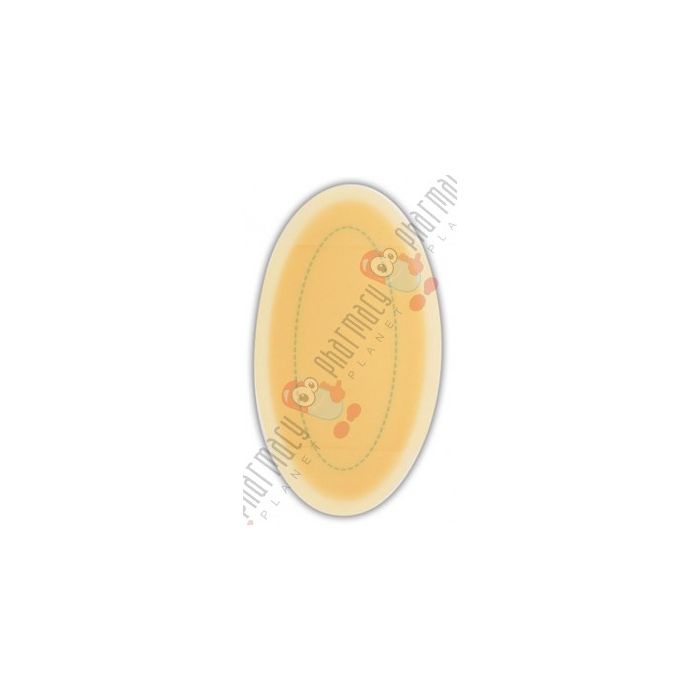
Duoderm Signal is a tapered edge hydrocolloid dressing, which comes with a latex-free adhesive. These are suitable for use on light to moderately exudating wounds. Duoderm signal is used for diabetic ulcers, pressure ulcers, surgical wounds, second-degree burns and traumatic wounds.

Consult
Select
Checkout
01
Select

the items you wish
to order

02
Order reviewed

by our qualified
prescriber

03
Delivered

to your door step

Your Selection

Please use the options provided to make your final selection.

prodName
DUODERM SIGNAL
£22.99
Total
Consult
Select
Checkout
Please make a selection

Please note that whilst you are able to request the medicine strength and size required,
we will only be able to send on approval from our in house pharmacist.

Starts at £22.99
Price Comparison

Select your preferred options and see the best price

PackPrice (£)
-11cm x 19cm535.49
-20cm x 20cm578.49
-14cm x 14cm540.49
-10cm x 10cm522.99

It looks like you missed filling in questions from the last consultation.Click Here to submit your response.

  • No hidden fees

  • Secure checkout

  • UK Regulated online pharmacy

  • Trusted by over 100,000+ customers

DuoDERM Signal | Hydrocolloid Dressing with Colour Change Indicator for Wound Care

Knowing when to change a hydrocolloid dressing without unnecessary removal is a practical challenge in wound management. Removing a hydrocolloid too early disrupts the moist wound environment before it needs to be disturbed. Leaving it too long risks maceration and leakage. DuoDERM Signal is a hydrocolloid wound dressing from ConvaTec with a built-in colour change indicator. The outer surface of the dressing changes appearance as the hydrocolloid gel forms underneath, giving a visible signal that the dressing has reached its absorption capacity. Four sizes. Self-adhesive. Waterproof. No prescription required.

What Is DuoDERM Signal?

DuoDERM Signal is a Class IIb regulated medical device from ConvaTec. It is a self-adhesive hydrocolloid wound dressing with a colour change indicator system built into the outer film. The hydrocolloid layer on the wound contact side is based on carboxymethylcellulose (CMC), which absorbs wound exudate and forms a gel that maintains a moist wound healing environment. The outer film incorporates a signal mechanism that allows the state of the dressing to be assessed visually without lifting the dressing from the wound.

The clinical rationale behind the signal indicator is straightforward. Standard hydrocolloid dressings require the clinician or patient to either lift the dressing to check the gel spread, or estimate change timing from a fixed interval without knowing how much exudate the wound has produced since the last change. DuoDERM Signal removes both uncertainties. The colour change on the outer film indicates when the hydrocolloid has absorbed sufficient fluid and the dressing needs replacing. The wound can be left undisturbed for as long as the signal shows the dressing is working. Once the signal appears, a change is due.

DuoDERM Signal uses a standard-depth CMC hydrocolloid layer, not the thinner layer of DuoDERM Extra Thin making it appropriate for moderately exuding wounds rather than very dry or minimally exuding sites. It is self-adhesive and waterproof, with no secondary dressing required. Available in four sizes: 10cm x 10cm, 11cm x 19cm, 14cm x 14cm, and 20cm x 20cm.

There are no active pharmaceutical ingredients. DuoDERM Signal does not treat infection. It is for moderately exuding clean wounds where moist wound healing and a visual change indicator are clinically useful.

The yellowish or brownish gel visible under DuoDERM Signal and present at the wound site on removal is normal hydrocolloid gel, it is absorbed wound exudate within the CMC matrix, not infection. DuoDERM Signal has no antimicrobial action and should not be used on infected wounds. If the wound shows signs of clinical infection alongside the normal gel, seek clinical assessment.

How DuoDERM Signal Works

The Colour Change Signal

The outer film of DuoDERM Signal incorporates a signal indicator that responds to the gel formation happening beneath it. When first applied, the dressing has a neutral appearance. As the CMC hydrocolloid absorbs wound exudate and forms gel, the signal area on the outer film changes its appearance - typically becoming white or showing a visible colour change that was not present when the dressing was new. This change is visible through the outer film without removing or lifting the dressing. When the signal has spread to a defined point within the dressing, the dressing has reached its absorption capacity and a change is indicated.

Hydrocolloid Gel Mechanism

The CMC matrix absorbs wound exudate and converts it into a soft gel at the wound surface. This gel maintains consistent moisture at the wound bed throughout the wear period, supporting the cellular processes of moist wound healing including cell migration and tissue formation. The gel prevents wound drying and scabbing. At the end of the wear period, the gel is present at the wound surface and on the wound contact face of the dressing. It is rinsed away with saline at the next change.

Waterproof Outer Film

The film outer layer prevents water from reaching the wound during showering and bathing. It also protects the wound from environmental contamination. The self-adhesive hydrocolloid border holds the dressing against the surrounding skin without secondary fixation. The film is flexible and conforms to body contours during movement.

Standard Absorbency Layer

Unlike DuoDERM Extra Thin, which has a thinner hydrocolloid layer for dry to lightly exuding wounds, DuoDERM Signal uses a standard-depth CMC layer suitable for moderately exuding wounds. This matches it to the same wound types as standard DuoDERM, with the addition of the signal indicator to guide change timing.

How to Apply DuoDERM Signal

Preparation

  • Wash hands and use gloves.
  • Clean the wound and dry the surrounding skin.
  • The self-adhesive border requires dry intact periwound skin for reliable adhesion.

Application

  • Select the appropriate size: 10cm x 10cm, 11cm x 19cm, 14cm x 14cm, or 20cm x 20cm.
  • Remove the release liner.
  • Position the dressing centrally over the wound.
  • Smooth the dressing down from the centre outward, pressing the border firmly.
  • No secondary dressing is required.
  • Note the date and time of application.

Monitoring and Changing

  • Check the outer film signal regularly without removing the dressing.
  • Change the dressing when the colour change signal indicates the dressing has reached capacity, when the border lifts, or when clinically indicated.
  • On removal, a yellowish or brownish gel will be present. This is normal. Rinse the wound with saline.
  • Assess the wound for signs of infection at each change.

DuoDERM Signal is waterproof and can be worn during showering and bathing. After washing, pat dry and check the signal and border. If the border has lifted, replace the dressing. The colour change signal on the outer film can be monitored after bathing without removing the dressing.

Available Sizes

DuoDERM Signal 10cm x 10cm

A medium square suited to moderate-sized moderately exuding wounds across a range of wound types and body locations. The standard-depth hydrocolloid with signal indicator in this widely used format.

DuoDERM Signal 11cm x 19cm

A rectangular format for elongated wound sites including lower limb wounds, venous leg ulcer areas, and other sites where the wound runs longer than it is wide. The 11cm x 19cm provides better alignment with elongated wound courses than a square of similar area, while the signal indicator guides change timing regardless of format.

DuoDERM Signal 14cm x 14cm

A larger square for moderate to larger wound areas where the 10cm x 10cm does not provide adequate wound coverage and the signal indicator remains valuable for guided change timing.

DuoDERM Signal 20cm x 20cm

The largest size in the range, for extensive wound areas where broad hydrocolloid coverage with the signal indicator is clinically indicated. Suited to larger pressure ulcers, extensive wound areas under clinical supervision, and other sites requiring maximum coverage with guided change timing.

In all sizes, the dressing should cover the wound fully with the adhesive border resting on intact periwound skin. The signal indicator guides the need for change from above without disturbing the wound.

Safety Information

Do Not Use DuoDERM Signal If

  • The wound shows clinical signs of infection.
  • The wound is very dry - standard DuoDERM-depth hydrocolloid is for moderate exudate.
  • The wound is a deep cavity or requires packing.
  • Known sensitivity to CMC, polyurethane film, or any dressing component.

Precautions

  • Single use only.
  • The yellowish gel on removal is normal hydrocolloid gel, not infection.
  • The colour change signal guides change timing but should be used alongside clinical assessment, not as a sole indicator.
  • Assess wound and periwound skin at each change.
  • Remove before MRI.

Adverse Effects

  • Skin maceration if the dressing is left significantly beyond the signal indication.
  • Skin irritation at the adhesive border in patients with sensitive periwound skin.

Who Is DuoDERM Signal Suitable For?

Suitable Wounds and Patients

  • Moderately exuding clean wounds including pressure ulcers, venous leg ulcers, and other chronic or acute wounds where standard-depth hydrocolloid and guided change timing are both clinically appropriate
  • Patients self-managing wound care who benefit from a visual change indicator to guide when to change the dressing without relying on a fixed interval or lifting the dressing to check
  • Clinical settings where nursing visits are scheduled and the signal indicator helps confirm whether the dressing needs changing at the visit
  • Adults and children where clinically directed

DuoDERM Signal vs DuoDERM Extra Thin

Both are DuoDERM hydrocolloid dressings from ConvaTec. DuoDERM Extra Thin has a thinner hydrocolloid layer for dry to lightly exuding wounds, a transparent outer film for wound monitoring, and includes a Spots format. DuoDERM Signal has a standard-depth hydrocolloid layer for moderate exudate, an opaque outer film with a colour change indicator, and is available in four square and rectangular sizes. Choose DuoDERM Signal when moderate exudate and guided change timing from the outer film indicator are the clinical requirements. Choose DuoDERM Extra Thin for minimal exudate and transparent visual monitoring.

Purchasing DuoDERM Signal

DuoDERM Signal is a regulated medical device and does not require a prescription. All four sizes are available from Pharmacy Planet without a clinical consultation.

Our pharmacists can advise on DuoDERM Signal size selection and on whether DuoDERM Signal or DuoDERM Extra Thin is better matched to the current exudate level and monitoring needs of a specific wound.

For infected wounds, deeply exuding wounds, or wounds not following an expected healing course, seek clinical assessment from a tissue viability nurse, district nurse, or GP.

Storage

  • Store in a cool, dry place away from direct heat and sunlight.
  • Do not store above 25°C.
  • Keep in original sealed packaging until immediately before use.
  • Do not use if packaging is damaged.
  • Check expiry date before use.
  • Apply as soon as the packaging is opened.
  • Keep out of reach of children.
  • Dispose of used dressings as clinical waste.

Why Choose Pharmacy Planet?

Pharmacy Planet is a GPhC registered online pharmacy. All four DuoDERM Signal sizes are genuine ConvaTec products stocked through regulated UK supply chains.

Our pharmacists can advise across the DuoDERM range and help match the right format to the wound exudate level and monitoring requirements.

References

  1. ConvaTec. DuoDERM Signal — Instructions for Use. ConvaTec. https://www.convatec.com. Accessed May 2026.
  2. National Institute for Health and Care Excellence. Wound care products: selection and prescribing. https://www.nice.org.uk. Accessed May 2026.
  3. Wounds UK. Principles of wound assessment and management. https://www.wounds-uk.com. Accessed May 2026.
  4. NHS. Pressure sores (pressure ulcers). https://www.nhs.uk/conditions/pressure-sores. Accessed May 2026.
DUODERM SIGNAL

Knowing when to change a hydrocolloid dressing without unnecessary removal is a practical challenge in wound management. Removing a hydrocolloid too early disrupts the moist wound environment before it needs to be disturbed. Leaving it too long risks maceration and leakage. DuoDERM Signal is a hydrocolloid wound dressing from ConvaTec with a built-in colour change indicator. The outer surface of the dressing changes appearance as the hydrocolloid gel forms underneath, giving a visible signal that the dressing has reached its absorption capacity. Four sizes. Self-adhesive. Waterproof. No prescription required.

DuoDERM Signal is a Class IIb regulated medical device from ConvaTec. It is a self-adhesive hydrocolloid wound dressing with a colour change indicator system built into the outer film. The hydrocolloid layer on the wound contact side is based on carboxymethylcellulose (CMC), which absorbs wound exudate and forms a gel that maintains a moist wound healing environment. The outer film incorporates a signal mechanism that allows the state of the dressing to be assessed visually without lifting the dressing from the wound.

The clinical rationale behind the signal indicator is straightforward. Standard hydrocolloid dressings require the clinician or patient to either lift the dressing to check the gel spread, or estimate change timing from a fixed interval without knowing how much exudate the wound has produced since the last change. DuoDERM Signal removes both uncertainties. The colour change on the outer film indicates when the hydrocolloid has absorbed sufficient fluid and the dressing needs replacing. The wound can be left undisturbed for as long as the signal shows the dressing is working. Once the signal appears, a change is due.

DuoDERM Signal uses a standard-depth CMC hydrocolloid layer, not the thinner layer of DuoDERM Extra Thin making it appropriate for moderately exuding wounds rather than very dry or minimally exuding sites. It is self-adhesive and waterproof, with no secondary dressing required. Available in four sizes: 10cm x 10cm, 11cm x 19cm, 14cm x 14cm, and 20cm x 20cm.

There are no active pharmaceutical ingredients. DuoDERM Signal does not treat infection. It is for moderately exuding clean wounds where moist wound healing and a visual change indicator are clinically useful.

The yellowish or brownish gel visible under DuoDERM Signal and present at the wound site on removal is normal hydrocolloid gel, it is absorbed wound exudate within the CMC matrix, not infection. DuoDERM Signal has no antimicrobial action and should not be used on infected wounds. If the wound shows signs of clinical infection alongside the normal gel, seek clinical assessment.

The Colour Change Signal

The outer film of DuoDERM Signal incorporates a signal indicator that responds to the gel formation happening beneath it. When first applied, the dressing has a neutral appearance. As the CMC hydrocolloid absorbs wound exudate and forms gel, the signal area on the outer film changes its appearance - typically becoming white or showing a visible colour change that was not present when the dressing was new. This change is visible through the outer film without removing or lifting the dressing. When the signal has spread to a defined point within the dressing, the dressing has reached its absorption capacity and a change is indicated.

Hydrocolloid Gel Mechanism

The CMC matrix absorbs wound exudate and converts it into a soft gel at the wound surface. This gel maintains consistent moisture at the wound bed throughout the wear period, supporting the cellular processes of moist wound healing including cell migration and tissue formation. The gel prevents wound drying and scabbing. At the end of the wear period, the gel is present at the wound surface and on the wound contact face of the dressing. It is rinsed away with saline at the next change.

Waterproof Outer Film

The film outer layer prevents water from reaching the wound during showering and bathing. It also protects the wound from environmental contamination. The self-adhesive hydrocolloid border holds the dressing against the surrounding skin without secondary fixation. The film is flexible and conforms to body contours during movement.

Standard Absorbency Layer

Unlike DuoDERM Extra Thin, which has a thinner hydrocolloid layer for dry to lightly exuding wounds, DuoDERM Signal uses a standard-depth CMC layer suitable for moderately exuding wounds. This matches it to the same wound types as standard DuoDERM, with the addition of the signal indicator to guide change timing.

Preparation

  • Wash hands and use gloves.
  • Clean the wound and dry the surrounding skin.
  • The self-adhesive border requires dry intact periwound skin for reliable adhesion.

Application

  • Select the appropriate size: 10cm x 10cm, 11cm x 19cm, 14cm x 14cm, or 20cm x 20cm.
  • Remove the release liner.
  • Position the dressing centrally over the wound.
  • Smooth the dressing down from the centre outward, pressing the border firmly.
  • No secondary dressing is required.
  • Note the date and time of application.

Monitoring and Changing

  • Check the outer film signal regularly without removing the dressing.
  • Change the dressing when the colour change signal indicates the dressing has reached capacity, when the border lifts, or when clinically indicated.
  • On removal, a yellowish or brownish gel will be present. This is normal. Rinse the wound with saline.
  • Assess the wound for signs of infection at each change.

DuoDERM Signal is waterproof and can be worn during showering and bathing. After washing, pat dry and check the signal and border. If the border has lifted, replace the dressing. The colour change signal on the outer film can be monitored after bathing without removing the dressing.

DuoDERM Signal 10cm x 10cm

A medium square suited to moderate-sized moderately exuding wounds across a range of wound types and body locations. The standard-depth hydrocolloid with signal indicator in this widely used format.

DuoDERM Signal 11cm x 19cm

A rectangular format for elongated wound sites including lower limb wounds, venous leg ulcer areas, and other sites where the wound runs longer than it is wide. The 11cm x 19cm provides better alignment with elongated wound courses than a square of similar area, while the signal indicator guides change timing regardless of format.

DuoDERM Signal 14cm x 14cm

A larger square for moderate to larger wound areas where the 10cm x 10cm does not provide adequate wound coverage and the signal indicator remains valuable for guided change timing.

DuoDERM Signal 20cm x 20cm

The largest size in the range, for extensive wound areas where broad hydrocolloid coverage with the signal indicator is clinically indicated. Suited to larger pressure ulcers, extensive wound areas under clinical supervision, and other sites requiring maximum coverage with guided change timing.

In all sizes, the dressing should cover the wound fully with the adhesive border resting on intact periwound skin. The signal indicator guides the need for change from above without disturbing the wound.

Do Not Use DuoDERM Signal If

  • The wound shows clinical signs of infection.
  • The wound is very dry - standard DuoDERM-depth hydrocolloid is for moderate exudate.
  • The wound is a deep cavity or requires packing.
  • Known sensitivity to CMC, polyurethane film, or any dressing component.

Precautions

  • Single use only.
  • The yellowish gel on removal is normal hydrocolloid gel, not infection.
  • The colour change signal guides change timing but should be used alongside clinical assessment, not as a sole indicator.
  • Assess wound and periwound skin at each change.
  • Remove before MRI.

Adverse Effects

  • Skin maceration if the dressing is left significantly beyond the signal indication.
  • Skin irritation at the adhesive border in patients with sensitive periwound skin.

Suitable Wounds and Patients

  • Moderately exuding clean wounds including pressure ulcers, venous leg ulcers, and other chronic or acute wounds where standard-depth hydrocolloid and guided change timing are both clinically appropriate
  • Patients self-managing wound care who benefit from a visual change indicator to guide when to change the dressing without relying on a fixed interval or lifting the dressing to check
  • Clinical settings where nursing visits are scheduled and the signal indicator helps confirm whether the dressing needs changing at the visit
  • Adults and children where clinically directed

DuoDERM Signal vs DuoDERM Extra Thin

Both are DuoDERM hydrocolloid dressings from ConvaTec. DuoDERM Extra Thin has a thinner hydrocolloid layer for dry to lightly exuding wounds, a transparent outer film for wound monitoring, and includes a Spots format. DuoDERM Signal has a standard-depth hydrocolloid layer for moderate exudate, an opaque outer film with a colour change indicator, and is available in four square and rectangular sizes. Choose DuoDERM Signal when moderate exudate and guided change timing from the outer film indicator are the clinical requirements. Choose DuoDERM Extra Thin for minimal exudate and transparent visual monitoring.

DuoDERM Signal is a regulated medical device and does not require a prescription. All four sizes are available from Pharmacy Planet without a clinical consultation.

Our pharmacists can advise on DuoDERM Signal size selection and on whether DuoDERM Signal or DuoDERM Extra Thin is better matched to the current exudate level and monitoring needs of a specific wound.

For infected wounds, deeply exuding wounds, or wounds not following an expected healing course, seek clinical assessment from a tissue viability nurse, district nurse, or GP.

  • Store in a cool, dry place away from direct heat and sunlight.
  • Do not store above 25°C.
  • Keep in original sealed packaging until immediately before use.
  • Do not use if packaging is damaged.
  • Check expiry date before use.
  • Apply as soon as the packaging is opened.
  • Keep out of reach of children.
  • Dispose of used dressings as clinical waste.

Pharmacy Planet is a GPhC registered online pharmacy. All four DuoDERM Signal sizes are genuine ConvaTec products stocked through regulated UK supply chains.

Our pharmacists can advise across the DuoDERM range and help match the right format to the wound exudate level and monitoring requirements.

References

  1. ConvaTec. DuoDERM Signal — Instructions for Use. ConvaTec. https://www.convatec.com. Accessed May 2026.
  2. National Institute for Health and Care Excellence. Wound care products: selection and prescribing. https://www.nice.org.uk. Accessed May 2026.
  3. Wounds UK. Principles of wound assessment and management. https://www.wounds-uk.com. Accessed May 2026.
  4. NHS. Pressure sores (pressure ulcers). https://www.nhs.uk/conditions/pressure-sores. Accessed May 2026.
Frequently Asked Questions

DuoDERM Signal is a hydrocolloid wound dressing from ConvaTec for moderately exuding clean wounds. The CMC hydrocolloid maintains a moist wound healing environment. The defining feature is a colour change indicator on the outer film that changes appearance when the dressing has absorbed sufficient exudate and needs changing. Self-adhesive, waterproof. Four sizes: 10cm x 10cm, 11cm x 19cm, 14cm x 14cm, and 20cm x 20cm. No prescription required.

When DuoDERM Signal is first applied, the outer film has a neutral appearance. As the hydrocolloid gel forms under the dressing from absorbed wound exudate, the signal area on the outer film changes colour typically becoming white or showing a visible change from the original appearance. This change is visible from the outside of the dressing without lifting it. When the signal has spread across the indicator area, the dressing has reached its absorption capacity and should be changed. The signal removes the need to lift the dressing or estimate timing to assess whether a change is due.

The yellowish or brownish gel at the wound site and on the dressing after removal is normal hydrocolloid gel. It forms as the CMC matrix absorbs wound exudate over the wear period. This gel is a normal feature of all hydrocolloid dressings and is not a sign of infection. Gently rinse the wound with saline to clear the gel, then assess the wound and apply a fresh dressing. If there are genuine signs of infection, spreading redness, fever, or offensive smell distinct from the normal gel, seek clinical assessment.

Both are DuoDERM hydrocolloid dressings from ConvaTec but they serve different wound types. DuoDERM Signal has a standard-depth hydrocolloid for moderate exudate and a colour change outer film indicator for guided change timing. DuoDERM Extra Thin has a thinner hydrocolloid for dry to light exudate and a transparent film for direct wound monitoring. Choose DuoDERM Signal for moderately exuding wounds where the signal indicator is the monitoring preference. Choose DuoDERM Extra Thin for minimally exuding wounds and transparent visual monitoring.

Yes. DuoDERM Signal has a waterproof outer film that prevents water from reaching the wound during showering and bathing. Avoid prolonged submersion. After washing, pat the dressing dry and check both the signal indicator and the border adhesion. If the colour change signal has appeared after showering, a change is due. If the border has lifted, replace the dressing. The signal can be monitored through the outer film after bathing without removing the dressing.

No. DuoDERM Signal has no antimicrobial action and should not be used on infected wounds. If the wound shows signs of clinical infection, spreading redness beyond the wound edge, increasing warmth, swelling, offensive smell beyond normal hydrocolloid gel odour, increasing pain, or fever, seek clinical assessment. The colour change signal on DuoDERM Signal indicates dressing saturation, not the presence or absence of infection.

No. The colour change signal on DuoDERM Signal indicates that the hydrocolloid has absorbed sufficient fluid and the dressing needs changing. It reflects wound exudate output and dressing capacity, it has no relationship to infection status. Infection is assessed by clinical signs including the wound itself, the surrounding skin, the nature of any discharge, and systemic signs. The signal is a change indicator only.

No. DuoDERM Signal is a regulated medical device and does not require a prescription. All four sizes: 10cm x 10cm, 11cm x 19cm, 14cm x 14cm, and 20cm x 20cm are available from Pharmacy Planet without a clinical consultation. For infected wounds, wounds not healing as expected, or complex wound management, seek clinical assessment from a tissue viability nurse, district nurse, or GP.

How it works
Start Consultation
Complete our online
clinical consultation

Answer a few questions on your health and your fitness goals.

Setup Coaching
Clinical
assessment

Our clinicians will review your clinical questionnaire to make sure treatment is right for you.

Ongoing Support
Welcome
aboard!

Once approved, you will access our wealth of experience and resources curated by our team and begin your clinical journey.

Start your journey with us

What our patients are saying

Need Help?

question mark
Do you have a question about weight loss treatment?

Start your weight loss journey heading in the right direction. Our team are here to help. Whether you’re unsure about which medicine is right for you or need help navigating the world of weight loss drugs, our team are on hand to help you make the right decision. We can put you in touch with one of our experienced weight loss clinicians so you can be sure you’re making the best decision with the most accurate information.

To get in touch, contact our Customer Service team on 0800 978 8956 or email headoffice@pharmacyplanet.com.

Meet the team
Pharmacist Image

Review By

HARMINDER ‘HARMY’ KAUR

Last Updated On : Mar 13 2026

BSc(hons) Pharmacy

GPhC Number: 2061107

Pharmacist Image

Authored By

GURDEV SEHMI

Last Reviewed On : Mar 23 2026

BSc Pharm, MRPharmS, Independent Prescriber, Superintendent Pharmacist, Clinical Lead

GPhC Number: 2050925