








Facebook Pixel
New Patients – Get 10% Off Your First Consultation with Code: NEW10 at Checkout

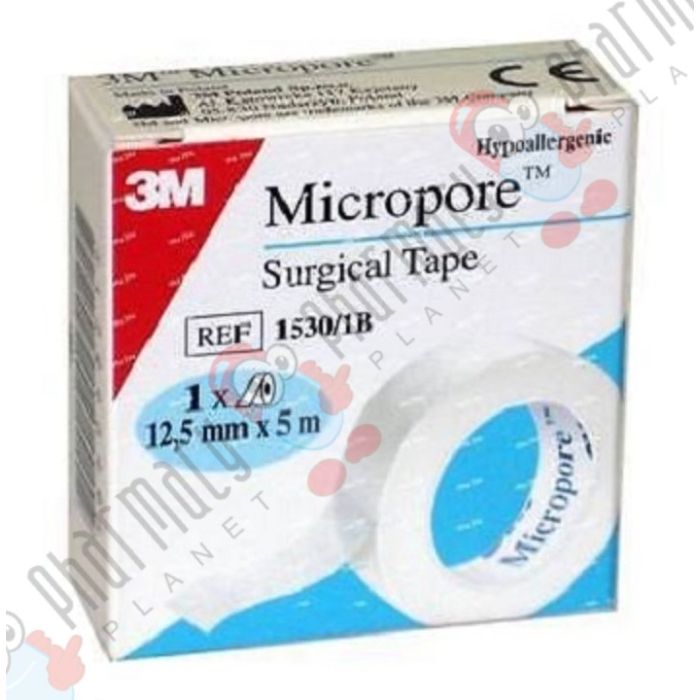
Micropore Tape is a hypoallergenic paper tape that is gentle to the skin whilst it also adheres well and leaves minimal adhesive residue once removed. This is an economical, general purpose, breathable surgical tape. Micropore Tape is not made with natural rubber latex.

Consult
Select
Checkout
01
Select

the items you wish
to order

02
Order reviewed

by our qualified
prescriber

03
Delivered

to your door step

Your Selection

Please use the options provided to make your final selection.
prodName
Micropore
£1.49
Total
Consult
Select
Checkout
Please make a selection

Please note that whilst you are able to request the medicine strength and size required,
we will only be able to send on approval from our in house pharmacist.

Starts at £1.49
Price Comparison

Select your preferred options and see the best price

PackPrice (£)
-1.25cm x 5m11.49
-2.5cm x 5m11.49
-5.0cm x 5m12.99

It looks like you missed filling in questions from the last consultation.Click Here to submit your response.
  • No hidden fees

  • Secure checkout

  • UK Regulated online pharmacy

  • Trusted by over 100,000+ customers

Micropore Tape | Hypoallergenic Surgical Paper Tape for Dressing Fixation

Securing a wound dressing without causing skin irritation, trapping moisture against the skin, or leaving adhesive residue is a practical challenge, particularly for patients who change dressings frequently or who have sensitive skin. A breathable paper surgical tape with a gentle adhesive addresses all three concerns. Micropore is a hypoallergenic surgical paper tape from 3M. Available in three widths: 1.25cm, 2.5cm, and 5.0cm, each on a 5m roll. Tears easily by hand. Breathable. Designed to minimise skin reactions. No prescription required.

What Is Micropore Tape?

Micropore is a regulated medical device from 3M. It is a surgical paper tape consisting of a microporous paper backing coated with a gentle acrylic adhesive. The paper backing is the defining feature of the product: paper is inherently breathable, lightweight, and flexible, allowing it to conform to contoured body surfaces and to be torn cleanly by hand to any length without scissors. The acrylic adhesive is formulated to adhere to skin and wound dressing surfaces with sufficient hold for dressing fixation while remaining gentle enough to remove without the skin trauma associated with stronger surgical tapes.

Micropore is hypoallergenic. This means the materials used in the tape have been selected to minimise the likelihood of causing allergic contact reactions. Paper and acrylic adhesive are among the least sensitising materials used in medical tapes. Hypoallergenic does not mean that reactions are impossible in all individuals, but it indicates the formulation is appropriate for use on sensitive skin and is suitable for patients who have experienced reactions to stronger adhesive tapes.

The microporous structure of the paper backing allows moisture vapour from the skin surface beneath the tape to pass through and evaporate. This reduces maceration of the skin under the tape during extended wear. Standard non-porous tapes can trap moisture against the skin, which softens the skin surface and increases the risk of skin breakdown, particularly during extended dressing changes over several days. The breathable structure of Micropore reduces this risk and makes it comfortable for prolonged use.

Micropore is not waterproof. Paper tape loses adhesion when wet and should be replaced after contact with water. Three widths are available: 1.25cm, 2.5cm, and 5.0cm, each on a 5m roll. Width is selected based on the size of the dressing being fixed and the application site.

Micropore is not waterproof. Contact with water during bathing or showering will loosen the adhesive and cause the tape to peel. Remove wet tape and replace with fresh tape after the skin has dried. Do not apply to broken, weeping, or infected skin. Do not apply under tension, as this can cause skin stripping, particularly on fragile or elderly skin.

How Micropore Tape Works

Microporous Paper Backing

The paper backing of Micropore is permeated with microscopic pores that allow moisture vapour to pass through the tape and evaporate from the outer surface. Skin beneath the tape can breathe normally rather than being sealed in an occlusive environment. This breathability is particularly important for skin sites that are taped repeatedly over several dressing change cycles, where maceration from trapped moisture can degrade the skin surface and make further taping more difficult and more likely to cause irritation.

Gentle Acrylic Adhesive

The adhesive on Micropore is an acrylic formulation with a relatively low tack level compared to other surgical tapes. Low tack adhesive provides sufficient hold for dressing fixation during normal activity while releasing from the skin more gently at removal. The acrylic adhesive is chosen for its low sensitisation potential, meaning fewer patients develop contact allergic reactions to it than to some rubber-based or stronger acrylic adhesives used in other tape formulations.

Hand Tearability

Micropore tears cleanly by hand in any direction, both across the width and along the length. This property is a significant practical advantage in clinical and home settings. In a clinical environment, being able to tear tape to the required length without reaching for scissors speeds up dressing changes. At home, patients can manage dressings independently without needing additional equipment. The paper structure tears predictably and cleanly rather than stretching or fraying when torn.

Conformability

The thin flexible paper backing allows Micropore to conform closely to contoured body surfaces including joints, fingers, toes, and curved areas of the face and neck. A tape that does not conform well creates lift points at edges, which leads to early peeling and dressing failure. The conformable paper backing of Micropore maintains close contact with the skin contour, reducing edge lift during wear.

How to Apply Micropore Tape

Preparation

  • Ensure the skin surface is clean and completely dry.
  • The adhesive bonds most effectively to dry intact skin.
  • Apply any dressing or wound contact material before taping.

Applying the Tape

  • Tear the required length from the roll by pulling across the roll width.
  • Apply the tape without stretch or tension.
  • Press firmly along the full length of the tape to ensure full contact with the skin and dressing.
  • For securing a dressing pad, apply strips across the pad borders on all sides.

Removal

  • Peel the tape slowly back along the skin surface.
  • Do not pull upward at a sharp angle, particularly on fragile or elderly skin.
  • Support the skin ahead of the peeling edge to reduce tension.
  • On sensitive skin, dampen the tape lightly before removal to soften the adhesive.

Apply Micropore without tension. Paper tape applied under stretch will recoil against the skin and can cause skin stripping, particularly on the thin skin of elderly patients or patients on corticosteroids. Always apply relaxed.

Available Sizes

Micropore 1.25cm x 5m

A narrow width for securing small dressings, digit wounds, tube and line fixation, and applications where a narrow strip of tape provides adequate hold. Suited to smaller wound sites and locations where a wider tape would extend onto adjacent structures.

Micropore 2.5cm x 5m

A medium width and the most commonly used size across a range of clinical and home applications. Suited to securing small to medium dressings, pad borders, IV cannula sites, and general purpose wound fixation. The 2.5cm width provides good surface contact without being overly broad for most dressing sizes.

Micropore 5.0cm x 5m

A wide width for securing larger dressings, abdominal wound pads, and applications where a broader tape coverage is needed to hold a larger pad in place. Also useful for strapping applications over larger skin areas where the wider tape reduces the number of strips needed.

All three widths use the same microporous paper and acrylic adhesive formulation. Width selection is based on dressing size and the anatomical site.

Safety Information and Precautions

When Not to Use Micropore Tape

  • Broken, weeping, or infected skin where tape contact would cause further damage or introduce contamination.
  • Skin with known sensitivity to acrylic adhesive.
  • Fragile skin where even a gentle adhesive tape may cause trauma, without clinical guidance on appropriate taping technique.

Precautions

  • Apply to dry skin only.
  • Apply without tension.
  • Peel slowly along the skin surface at removal.
  • Not waterproof. Replace after water contact.
  • Do not apply repeatedly to the same skin site without allowing skin recovery time.

Adverse Effects

  • Skin irritation or redness at the tape site, particularly with repeated or prolonged application to the same area.
  • Skin stripping if the tape is removed forcefully or applied under tension on fragile skin.
  • Contact allergic reaction in patients sensitive to the acrylic adhesive components, though the incidence is low with hypoallergenic formulations.

Suitability

Suitable Uses for Micropore Tape

  • Securing wound dressings, absorbent pads, and wound contact materials that require secondary fixation, including Melolin and other non-adhesive pads
  • Fixation of IV cannulae, peripheral lines, urinary catheters, and other medical devices to the skin
  • Holding wound closure strips, such as Leukostrip in position during the healing period
  • Securing dressing edges where the dressing border is beginning to lift
  • General purpose medical tape applications in clinical and home settings
  • Patients with sensitive skin or a history of tape reactions, where a hypoallergenic tape is clinically preferred
  • Adults and children

Micropore vs Other Surgical Tapes

Surgical tapes vary in backing material, adhesive strength, and breathability. Micropore uses a breathable paper backing with a gentle acrylic adhesive, making it the appropriate choice for sensitive skin, extended wear, and patients who require regular dressing changes. Stronger fabric tapes provide greater hold for higher tension applications but are less gentle at removal. Film-based tapes are waterproof but less breathable than paper. Micropore is suited to everyday wound fixation where skin comfort, breathability, and ease of removal are the clinical priorities.

Purchasing Micropore Tape

Micropore does not require a prescription. All three widths are available from Pharmacy Planet without a clinical consultation.

Our pharmacists can advise on width selection for different wound sites and dressing types, and on when a stronger or more specialised tape would be more appropriate.

For patients with a history of significant tape reactions, seek clinical advice on appropriate taping materials before use.

Storage

  • Store in a cool, dry place away from direct heat and sunlight.
  • Do not store above 25 degrees C.
  • Keep in original packaging to protect the adhesive.
  • Do not use if the roll is damaged or the adhesive is contaminated.
  • Keep out of reach of children.

Why Choose Pharmacy Planet?

Pharmacy Planet is a GPhC registered online pharmacy. All three Micropore widths are genuine 3M products stocked through regulated UK supply chains.

Our pharmacists can advise on Micropore and on appropriate dressing fixation methods for different wound types and patient skin conditions.

References

  1. 3M Health Care. Micropore Surgical Tape — Product Information. 3M. https://www.3m.co.uk. Accessed June 2026.
  2. NHS. How to treat minor cuts and grazes at home. https://www.nhs.uk/conditions/cuts-and-grazes. Accessed June 2026.
  3. National Institute for Health and Care Excellence. Wound care products: selection and prescribing. https://www.nice.org.uk. Accessed June 2026.
Micropore

Securing a wound dressing without causing skin irritation, trapping moisture against the skin, or leaving adhesive residue is a practical challenge, particularly for patients who change dressings frequently or who have sensitive skin. A breathable paper surgical tape with a gentle adhesive addresses all three concerns. Micropore is a hypoallergenic surgical paper tape from 3M. Available in three widths: 1.25cm, 2.5cm, and 5.0cm, each on a 5m roll. Tears easily by hand. Breathable. Designed to minimise skin reactions. No prescription required.

Micropore is a regulated medical device from 3M. It is a surgical paper tape consisting of a microporous paper backing coated with a gentle acrylic adhesive. The paper backing is the defining feature of the product: paper is inherently breathable, lightweight, and flexible, allowing it to conform to contoured body surfaces and to be torn cleanly by hand to any length without scissors. The acrylic adhesive is formulated to adhere to skin and wound dressing surfaces with sufficient hold for dressing fixation while remaining gentle enough to remove without the skin trauma associated with stronger surgical tapes.

Micropore is hypoallergenic. This means the materials used in the tape have been selected to minimise the likelihood of causing allergic contact reactions. Paper and acrylic adhesive are among the least sensitising materials used in medical tapes. Hypoallergenic does not mean that reactions are impossible in all individuals, but it indicates the formulation is appropriate for use on sensitive skin and is suitable for patients who have experienced reactions to stronger adhesive tapes.

The microporous structure of the paper backing allows moisture vapour from the skin surface beneath the tape to pass through and evaporate. This reduces maceration of the skin under the tape during extended wear. Standard non-porous tapes can trap moisture against the skin, which softens the skin surface and increases the risk of skin breakdown, particularly during extended dressing changes over several days. The breathable structure of Micropore reduces this risk and makes it comfortable for prolonged use.

Micropore is not waterproof. Paper tape loses adhesion when wet and should be replaced after contact with water. Three widths are available: 1.25cm, 2.5cm, and 5.0cm, each on a 5m roll. Width is selected based on the size of the dressing being fixed and the application site.

Micropore is not waterproof. Contact with water during bathing or showering will loosen the adhesive and cause the tape to peel. Remove wet tape and replace with fresh tape after the skin has dried. Do not apply to broken, weeping, or infected skin. Do not apply under tension, as this can cause skin stripping, particularly on fragile or elderly skin.

Microporous Paper Backing

The paper backing of Micropore is permeated with microscopic pores that allow moisture vapour to pass through the tape and evaporate from the outer surface. Skin beneath the tape can breathe normally rather than being sealed in an occlusive environment. This breathability is particularly important for skin sites that are taped repeatedly over several dressing change cycles, where maceration from trapped moisture can degrade the skin surface and make further taping more difficult and more likely to cause irritation.

Gentle Acrylic Adhesive

The adhesive on Micropore is an acrylic formulation with a relatively low tack level compared to other surgical tapes. Low tack adhesive provides sufficient hold for dressing fixation during normal activity while releasing from the skin more gently at removal. The acrylic adhesive is chosen for its low sensitisation potential, meaning fewer patients develop contact allergic reactions to it than to some rubber-based or stronger acrylic adhesives used in other tape formulations.

Hand Tearability

Micropore tears cleanly by hand in any direction, both across the width and along the length. This property is a significant practical advantage in clinical and home settings. In a clinical environment, being able to tear tape to the required length without reaching for scissors speeds up dressing changes. At home, patients can manage dressings independently without needing additional equipment. The paper structure tears predictably and cleanly rather than stretching or fraying when torn.

Conformability

The thin flexible paper backing allows Micropore to conform closely to contoured body surfaces including joints, fingers, toes, and curved areas of the face and neck. A tape that does not conform well creates lift points at edges, which leads to early peeling and dressing failure. The conformable paper backing of Micropore maintains close contact with the skin contour, reducing edge lift during wear.

Preparation

  • Ensure the skin surface is clean and completely dry.
  • The adhesive bonds most effectively to dry intact skin.
  • Apply any dressing or wound contact material before taping.

Applying the Tape

  • Tear the required length from the roll by pulling across the roll width.
  • Apply the tape without stretch or tension.
  • Press firmly along the full length of the tape to ensure full contact with the skin and dressing.
  • For securing a dressing pad, apply strips across the pad borders on all sides.

Removal

  • Peel the tape slowly back along the skin surface.
  • Do not pull upward at a sharp angle, particularly on fragile or elderly skin.
  • Support the skin ahead of the peeling edge to reduce tension.
  • On sensitive skin, dampen the tape lightly before removal to soften the adhesive.

Apply Micropore without tension. Paper tape applied under stretch will recoil against the skin and can cause skin stripping, particularly on the thin skin of elderly patients or patients on corticosteroids. Always apply relaxed.

Micropore 1.25cm x 5m

A narrow width for securing small dressings, digit wounds, tube and line fixation, and applications where a narrow strip of tape provides adequate hold. Suited to smaller wound sites and locations where a wider tape would extend onto adjacent structures.

Micropore 2.5cm x 5m

A medium width and the most commonly used size across a range of clinical and home applications. Suited to securing small to medium dressings, pad borders, IV cannula sites, and general purpose wound fixation. The 2.5cm width provides good surface contact without being overly broad for most dressing sizes.

Micropore 5.0cm x 5m

A wide width for securing larger dressings, abdominal wound pads, and applications where a broader tape coverage is needed to hold a larger pad in place. Also useful for strapping applications over larger skin areas where the wider tape reduces the number of strips needed.

All three widths use the same microporous paper and acrylic adhesive formulation. Width selection is based on dressing size and the anatomical site.

When Not to Use Micropore Tape

  • Broken, weeping, or infected skin where tape contact would cause further damage or introduce contamination.
  • Skin with known sensitivity to acrylic adhesive.
  • Fragile skin where even a gentle adhesive tape may cause trauma, without clinical guidance on appropriate taping technique.

Precautions

  • Apply to dry skin only.
  • Apply without tension.
  • Peel slowly along the skin surface at removal.
  • Not waterproof. Replace after water contact.
  • Do not apply repeatedly to the same skin site without allowing skin recovery time.

Adverse Effects

  • Skin irritation or redness at the tape site, particularly with repeated or prolonged application to the same area.
  • Skin stripping if the tape is removed forcefully or applied under tension on fragile skin.
  • Contact allergic reaction in patients sensitive to the acrylic adhesive components, though the incidence is low with hypoallergenic formulations.

Suitable Uses for Micropore Tape

  • Securing wound dressings, absorbent pads, and wound contact materials that require secondary fixation, including Melolin and other non-adhesive pads
  • Fixation of IV cannulae, peripheral lines, urinary catheters, and other medical devices to the skin
  • Holding wound closure strips, such as Leukostrip in position during the healing period
  • Securing dressing edges where the dressing border is beginning to lift
  • General purpose medical tape applications in clinical and home settings
  • Patients with sensitive skin or a history of tape reactions, where a hypoallergenic tape is clinically preferred
  • Adults and children

Micropore vs Other Surgical Tapes

Surgical tapes vary in backing material, adhesive strength, and breathability. Micropore uses a breathable paper backing with a gentle acrylic adhesive, making it the appropriate choice for sensitive skin, extended wear, and patients who require regular dressing changes. Stronger fabric tapes provide greater hold for higher tension applications but are less gentle at removal. Film-based tapes are waterproof but less breathable than paper. Micropore is suited to everyday wound fixation where skin comfort, breathability, and ease of removal are the clinical priorities.

Micropore does not require a prescription. All three widths are available from Pharmacy Planet without a clinical consultation.

Our pharmacists can advise on width selection for different wound sites and dressing types, and on when a stronger or more specialised tape would be more appropriate.

For patients with a history of significant tape reactions, seek clinical advice on appropriate taping materials before use.

  • Store in a cool, dry place away from direct heat and sunlight.
  • Do not store above 25 degrees C.
  • Keep in original packaging to protect the adhesive.
  • Do not use if the roll is damaged or the adhesive is contaminated.
  • Keep out of reach of children.

Pharmacy Planet is a GPhC registered online pharmacy. All three Micropore widths are genuine 3M products stocked through regulated UK supply chains.

Our pharmacists can advise on Micropore and on appropriate dressing fixation methods for different wound types and patient skin conditions.

References

  1. 3M Health Care. Micropore Surgical Tape — Product Information. 3M. https://www.3m.co.uk. Accessed June 2026.
  2. NHS. How to treat minor cuts and grazes at home. https://www.nhs.uk/conditions/cuts-and-grazes. Accessed June 2026.
  3. National Institute for Health and Care Excellence. Wound care products: selection and prescribing. https://www.nice.org.uk. Accessed June 2026.
Frequently Asked Questions

Micropore is a hypoallergenic surgical paper tape from 3M used for securing wound dressings, fixing medical devices to the skin, and general purpose medical tape applications. The microporous paper backing is breathable and the gentle acrylic adhesive is suitable for sensitive skin. Available in 1.25cm, 2.5cm, and 5.0cm widths on 5m rolls. Tears easily by hand. Not waterproof. No prescription required.

Yes. Micropore is labelled as hypoallergenic on the packaging, confirmed by 3M. The microporous paper backing and acrylic adhesive are chosen for their low sensitisation potential. Hypoallergenic means the materials are formulated to minimise the likelihood of allergic reactions, but reactions are not impossible in all individuals. Patients who have previously reacted to other surgical tapes should try Micropore on a small skin area first before using it to secure a wound dressing.

No. Micropore is a paper tape and is not waterproof. Contact with water during showering or bathing will loosen the adhesive and cause the tape to peel. Remove wet Micropore and allow the skin to dry before applying a fresh strip. For wound fixation where water contact is likely, consider a waterproof tape or protect the wound area during bathing.

Yes. Micropore tears cleanly by hand in any direction. This is one of the practical advantages of a paper tape over fabric or film surgical tapes. Pull across the roll width to cut a strip to length. The paper structure tears predictably without fraying or stretching. This makes it convenient for dressing changes at home where scissors may not be readily available.

Width selection depends on the size of the dressing or device being secured. The 1.25cm width is suited to small dressings, digits, and line fixation. The 2.5cm width is the most versatile and suits most routine dressing fixation needs. The 5.0cm width is suited to larger dressings, abdominal pads, and applications where broader tape coverage is needed. For most home wound care, the 2.5cm width is the standard choice.

Peel Micropore slowly back along the skin surface rather than pulling upward at a sharp angle. Support the skin ahead of the peeling edge with the other hand to reduce the tension on the skin surface. On fragile, elderly, or sensitive skin, dampen the tape lightly with water or saline before peeling to soften the adhesive. Remove slowly and steadily. Applying Micropore without stretch or tension in the first place reduces the force needed for removal.

Yes. Micropore is suitable for use on children for wound dressing fixation and general tape applications. The hypoallergenic formulation and gentle adhesive make it appropriate for paediatric skin. Apply to clean dry skin without tension and remove slowly along the skin surface. For very young children or infants, seek clinical guidance on appropriate wound management before applying tape to sensitive or fragile neonatal or infant skin.

No. Micropore is a regulated medical device and does not require a prescription. All three widths are available from Pharmacy Planet without a clinical consultation. For patients with known tape sensitivity, a history of significant skin reactions to adhesives, or fragile skin conditions, seek clinical advice on the most appropriate taping material before use.

How it works
Start Consultation
Complete our online
clinical consultation

Answer a few questions on your health and your fitness goals.

Setup Coaching
Clinical
assessment

Our clinicians will review your clinical questionnaire to make sure treatment is right for you.

Ongoing Support
Welcome
aboard!

Once approved, you will access our wealth of experience and resources curated by our team and begin your clinical journey.

Start your journey with us

What our patients are saying

Need Help?

question mark
Do you have a question about weight loss treatment?

Start your weight loss journey heading in the right direction. Our team are here to help. Whether you’re unsure about which medicine is right for you or need help navigating the world of weight loss drugs, our team are on hand to help you make the right decision. We can put you in touch with one of our experienced weight loss clinicians so you can be sure you’re making the best decision with the most accurate information.

To get in touch, contact our Customer Service team on 0800 978 8956 or email headoffice@pharmacyplanet.com.

Meet the team
Pharmacist Image

Review By

HARMINDER ‘HARMY’ KAUR

Last Updated On : Mar 13 2026

BSc(hons) Pharmacy

GPhC Number: 2061107

Pharmacist Image

Authored By

GURDEV SEHMI

Last Reviewed On : Mar 23 2026

BSc Pharm, MRPharmS, Independent Prescriber, Superintendent Pharmacist, Clinical Lead

GPhC Number: 2050925