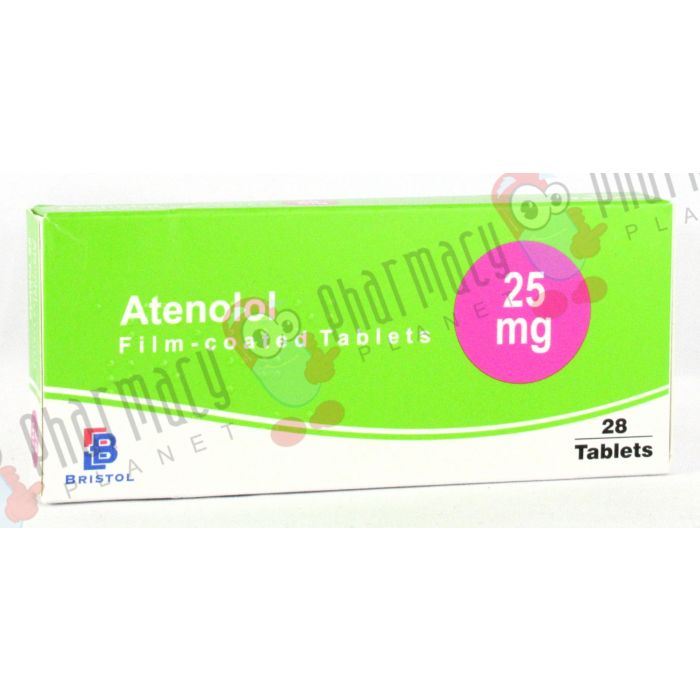
Atenolol
Atenolol is a prescription medication that is commonly used to treat high blood pressure, coronary artery disease, and some forms of cardiac arrhythmias. Atenolol, like other beta-blockers, is used to treat cardiovascular problems because it has a direct effect on the heart rate and the strength of contraction of the heart muscle, lowering the heart's energy consumption. Atenolol is available in different strengths: 25mg, 50 mg, and 100 mg. You can buy Atenolol online easily from Pharmacy Planet.
the items you wish
to order
by our qualified
prescriber
to your door step
Please use the options provided to make your final selection.


It is the prescribers duty to ensure that the medicine is being used safely and appropriately. please answer a few questions about yourself to help us process your request.
Customer Service Team
Confidentiality & Authenticity Assured
- Fully Regulated UK Pharmacy
- Authentic UK sourced medicines only.
- Trading for more than 10 years.
- Information Governance lead ensures all data is confidential
Need Help With Your Questionnaire?
Our customer service team is on hand Monday-Friday to help you with your queries.
Please call us on 08009788956 or
email us at: headoffice@pharmacyplanet.com
Select your preferred options and see the best price
| Pack | Price (£) | ||
|---|---|---|---|
| - | 25mg | 56 Tablets | 19.00 |
| - | 25mg | 28 Tablets | 17.00 |
| - | 25mg | 84 Tablets | 21.00 |
| - | 50mg | 84 Tablets | 21.00 |
| - | 50mg | 56 Tablets | 19.00 |
| - | 50mg | 28 Tablets | 17.00 |
| - | 100mg | 84 Tablets | 21.00 |
| - | 100mg | 56 Tablets | 19.00 |
| - | 100mg | 28 Tablets | 17.00 |
It looks like you missed filling in questions from the last consultation.Click Here to submit your response.
Atenolol Tablets | Beta Blocker for High Blood Pressure & Angina
High blood pressure and angina are long-term cardiovascular conditions that require consistent management to reduce the risk of serious events such as heart attack and stroke. Atenolol tablets are a prescription beta blocker used to treat hypertension, angina, and certain heart rhythm disorders in adults. Atenolol is one of the most widely prescribed beta blockers in the United Kingdom and has been used in cardiovascular therapy for several decades. It is taken once or twice daily depending on the condition being treated. A prescription can only be issued following a clinical consultation with a registered prescriber.
What Are Atenolol Tablets?
Atenolol tablets are an oral prescription medicine containing atenolol as the active ingredient. Atenolol belongs to the beta-adrenoceptor-blocking agent class of medicines, commonly referred to as beta blockers. It is a cardioselective beta blocker, meaning it acts preferentially on beta-1 receptors found in the heart, rather than on beta-2 receptors found in the airways and blood vessels. This selectivity means atenolol has less effect on the airways compared to non-selective beta blockers, though it is not entirely without effect on the lungs and must still be used with caution in patients with respiratory conditions.
Atenolol is licensed in the United Kingdom for the management of hypertension (high blood pressure), angina pectoris, cardiac arrhythmias (abnormal heart rhythms), and for early intervention in suspected or definite myocardial infarction (heart attack). It is available in three strengths: 25mg, 50mg, and 100mg tablets.
All clinical information on this page is drawn from the current UK Summary of Product Characteristics for atenolol tablets.
Important: Do not stop taking atenolol suddenly without speaking to your prescriber first. Abrupt withdrawal of a beta blocker can cause a rebound increase in heart rate and blood pressure, and may trigger or worsen angina or cause serious cardiac events. Your prescriber will advise on how to reduce your dose gradually if treatment needs to be stopped.
How Do Atenolol Tablets Work?
Atenolol works by selectively blocking beta-1 adrenoceptors in the heart. These receptors are normally stimulated by adrenaline and noradrenaline, which increase heart rate and the force of cardiac contraction. By blocking these receptors, atenolol reduces the speed and force of the heartbeat.
Effect on Blood Pressure
The reduction in heart rate and cardiac output lowers the pressure at which blood is pumped through the arteries, reducing systolic and diastolic blood pressure. With regular once-daily dosing, atenolol provides sustained antihypertensive effects throughout the day. It is effective as a standalone treatment for hypertension and is also used in combination with other antihypertensive medicines, particularly where additional blood pressure lowering is required.
Effect on Angina
In angina, the reduced heart rate and decreased force of contraction lower the oxygen demand of the heart muscle. This reduces the likelihood of the heart becoming starved of oxygen during physical activity or emotional stress, which is the trigger for angina episodes. By reducing the workload on the heart, atenolol decreases the frequency and severity of angina attacks and improves exercise tolerance in many patients.
Effect on Heart Rhythm
In cardiac arrhythmias, atenolol slows conduction through the atrioventricular node in the heart, which helps to regulate and slow an abnormally fast heart rate. It is used in conditions such as supraventricular tachycardia and in the rate control of atrial fibrillation. It may also be used following a heart attack to reduce the risk of further cardiac events.
How to Take Atenolol Tablets
Always take atenolol exactly as your prescriber instructs. The information below summarises key points from the current UK SmPC. Read the Patient Information Leaflet supplied with your medicine before starting treatment.
- Take atenolol once or twice daily as directed by your prescriber, depending on the condition being treated. For hypertension and angina, once-daily dosing is typical.
- Take atenolol at the same time each day. Consistent timing helps maintain a steady level of the medicine in your body.
- Atenolol can be taken with or without food.
- Swallow the tablet whole with a glass of water.
- If you miss a dose, take it as soon as you remember on the same day. If you only remember the following day, skip the missed dose and continue with your normal schedule. Do not take two doses on the same day.
- Never stop taking atenolol suddenly without medical advice. Abrupt withdrawal can cause a significant worsening of your condition. Your prescriber will advise on a gradual reduction if treatment needs to be stopped.
Dosage and Strengths Available
Atenolol tablets are available in three strengths through this service. The appropriate strength and dosing frequency will be determined by your prescriber based on the condition being treated, your age, kidney function, heart rate, and clinical response to treatment.
Atenolol 25mg Tablets
The 25mg tablet is a lower starting dose option, often used in older patients, patients with mild kidney impairment, or those who may be more sensitive to the effects of beta blockade. It provides a useful titration step when initiating treatment or adjusting the dose. Your prescriber will advise whether this strength is appropriate for your circumstances.
Atenolol 50mg Tablets
The 50mg tablet is the standard starting dose for most adults with hypertension or angina. For hypertension, 50mg once daily is the usual effective dose for many patients. For angina, 50mg once daily may be used initially, with the option to increase if symptoms remain inadequately controlled. This strength is also used in the management of cardiac arrhythmias, at doses determined by your prescriber.
Atenolol 100mg Tablets
The 100mg tablet is used when a higher dose is required for adequate blood pressure or angina control. For hypertension, doses above 100mg daily do not generally provide additional benefit. For angina, the prescriber may increase to 100mg once daily or prescribe 50mg twice daily depending on the clinical situation. All dose adjustments are made by your prescriber. Do not increase your dose without medical advice.
Side Effects and Safety Information
Like all medicines, atenolol can cause side effects, although not everyone experiences them. The information below is based on the current UK SmPC. Refer to the Patient Information Leaflet for the full list.
Common Side Effects (may affect up to 1 in 10 people)
- Bradycardia (a slow heart rate) - atenolol reduces heart rate as part of its therapeutic effect, but if the heart rate becomes very slow this may require a dose review
- Cold hands and feet, caused by reduced blood flow to the extremities
- Fatigue and tiredness
- Dizziness or lightheadedness, particularly when standing up quickly
- Gastrointestinal effects such as nausea, diarrhoea, or constipation
Uncommon Side Effects (may affect up to 1 in 100 people)
- Sleep disturbance, including vivid dreams or nightmares
- Mood changes, low mood, or depression
- Headache
- Dry eyes or visual disturbances
- Skin rash or itching
Serious Side Effects: Seek Urgent Medical Attention
Contact your prescriber or go to your nearest accident and emergency department promptly if you experience any of the following:
- A very slow or irregular heartbeat, or sudden worsening of breathlessness
- Significant worsening of breathlessness or wheezing, particularly if you have a respiratory condition - atenolol can occasionally worsen bronchospasm even at therapeutic doses
- Signs of heart failure such as increasing breathlessness, swelling of the ankles or legs, or rapid weight gain due to fluid retention
- Signs of a serious allergic reaction such as sudden swelling of the face, lips, tongue, or throat, difficulty breathing, or a severe skin reaction
- Worsening of symptoms of peripheral artery disease such as leg pain on walking
Report any suspected side effect to your prescriber or pharmacist or via the MHRA Yellow Card scheme at yellowcard.mhra.gov.uk.
Who Can Take Atenolol Tablets?
Atenolol Tablets May Be Suitable If You:
- Are an adult with hypertension, angina, or a cardiac arrhythmia and have been assessed as requiring beta-blocker therapy
- Are already prescribed atenolol and require a repeat prescription through an online prescribing service
- Have hypertension and have not achieved adequate blood pressure control with other antihypertensive medicines alone
Atenolol Tablets Are Not Suitable If You:
- Have asthma or a history of bronchospasm - beta blockers, including cardioselective ones such as atenolol, can trigger bronchospasm and are contraindicated in patients with asthma
- Have severe bradycardia (very slow heart rate) or sick sinus syndrome
- Have second or third degree heart block (unless you have a pacemaker)
- Have cardiogenic shock or uncontrolled heart failure
- Have untreated phaeochromocytoma (a type of adrenal tumour)
- Have severe peripheral artery disease or Raynaud's phenomenon that is severely symptomatic
- Have metabolic acidosis
- Are under 18 years of age (this service is for adults only)
Cautions
Atenolol should be used with caution in patients with chronic obstructive pulmonary disease (COPD), as even cardioselective beta blockers may worsen airway obstruction in some patients. Caution is also required in patients with diabetes mellitus, as atenolol can mask some of the symptoms of hypoglycaemia (low blood sugar), particularly heart palpitations, which would normally alert a patient that their glucose is falling. Patients with kidney impairment may require a lower dose, as atenolol is primarily excreted by the kidneys. Your prescriber will take these factors into account during your consultation.
Important Drug Interactions
Atenolol can interact with a number of commonly prescribed medicines. Tell your prescriber about all medicines you take, including over-the-counter products and herbal supplements. The following interactions are of particular clinical importance:
- Calcium channel blockers of the verapamil or diltiazem type: combining these with atenolol can cause a significant and potentially dangerous slowing of the heart rate and reduction in blood pressure. This combination should generally be avoided unless under close specialist supervision.
- Other antihypertensive medicines: the blood pressure lowering effect of atenolol may be enhanced when taken with other medicines that reduce blood pressure.
- Antiarrhythmic medicines such as amiodarone: concurrent use may increase the risk of bradycardia and heart block.
- Clonidine: if both atenolol and clonidine are being stopped, atenolol should be withdrawn several days before clonidine to avoid a rebound rise in blood pressure.
- NSAIDs such as ibuprofen: these can reduce the antihypertensive effect of atenolol.
- Insulin and oral antidiabetic medicines: atenolol may mask some warning signs of hypoglycaemia. Blood glucose monitoring is particularly important in diabetic patients taking atenolol.
This is not a complete list of interactions. Your prescriber will carry out a full clinical assessment, including a review of your current medicines, before any prescription is considered.
Consultation and Prescribing Process
Atenolol is a prescription-only medicine. The clinical consultation is the essential first step. A prescription will only be issued if a registered prescriber determines, based on their individual assessment of your circumstances, that atenolol is clinically appropriate for you.
During your online consultation with Pharmacy Planet, a registered prescriber will review your clinical information. This includes your blood pressure readings or cardiac history, current medicines, relevant medical conditions including any history of asthma, COPD, diabetes, or kidney disease, and any other factors relevant to safe prescribing of a beta blocker. Where you are seeking a repeat prescription, the prescriber will also assess whether your current treatment remains appropriate.
Not all consultations will result in a prescription being issued. The prescriber may recommend a different dose, a different medicine, or suggest that a face-to-face appointment with your GP is more appropriate. This process is designed to ensure your safety.
If you are already being managed for hypertension, angina, or a heart condition by your GP or a hospital team, please keep them informed of all medicines you are taking, including any prescribed through online services.
Storage and Handling
- Store below 25°C.
- Store in the original packaging to protect from light and moisture.
- Keep out of the sight and reach of children.
- Do not use after the expiry date printed on the packaging.
- Do not dispose of medicines via household waste or wastewater. Return unused or out-of-date tablets to your pharmacist for safe disposal.
Full storage instructions are provided in the Patient Information Leaflet supplied with your medicine.
Beta Blocker Tablets
The table below compares beta blocker tablets available at Pharmacy Planet. Beta blockers reduce heart rate and cardiac output to lower blood pressure. They differ in cardioselectivity, additional properties, and licensed indications.
| Product | What it is | What it's mainly used for | How you usually take it | What to expect |
|---|---|---|---|---|
| Atenolol | Beta-1 selective blocker tablet | High blood pressure, angina, arrhythmias | Once daily, with or without food | Cardioselective. Once daily. Avoid in asthma. Do not stop suddenly. Limited use in heart failure. |
| Bisoprolol | Beta-1 highly selective blocker tablet | High blood pressure, heart failure, angina | Once daily, with or without food | Highest cardioselectivity of common beta blockers. Widely used in heart failure. Do not stop suddenly. |
| Carvedilol | Non-selective beta + alpha-1 blocker tablet | Heart failure, high blood pressure, post-MI | Twice daily, with food | Dual mechanism: lowers heart rate and dilates blood vessels. Used in heart failure under specialist guidance. Take with food. |
| Celiprolol | Beta-1 selective blocker with mild beta-2 agonism | High blood pressure | Once daily, one hour before a meal | Mild bronchodilatory property may make it better tolerated in some respiratory conditions. Take before food. |
| Co-Tenidone (Atenolol/Chlorthalidone) | Beta blocker + diuretic tablet | High blood pressure | Once daily, with or without food | Combination of atenolol and chlorthalidone diuretic. Two mechanisms in one tablet. |
| Corgard (Nadolol) | Non-selective beta blocker tablet | High blood pressure, angina | Once daily, with or without food | Long-acting non-selective beta blocker. Once daily dosing. Contraindicated in asthma. Eliminated unchanged by kidneys. |
| Labetalol | Non-selective beta + alpha-1 blocker tablet | High blood pressure | Twice or three times daily, with or without food | Dual mechanism. Used in pregnancy-related hypertension under specialist supervision. Not suitable for online initiation in pregnancy. |
| Metoprolol | Beta-1 selective blocker tablet | High blood pressure, angina, arrhythmias, migraine prevention | Once or twice daily with food | Standard-release tartrate form - not interchangeable with modified-release succinate. Take with food. CYP2D6 interactions. |
| Nebivolol | Beta-1 selective blocker + nitric oxide vasodilator tablet | High blood pressure; heart failure (aged 70+) | Once daily, with or without food | Dual mechanism: beta-1 blockade and nitric oxide vasodilation. Heart failure use restricted to patients aged 70 and over. |
| Sotalol | Non-selective beta blocker + class III antiarrhythmic tablet | Cardiac arrhythmias (NOT licensed for hypertension) | Twice daily, on empty stomach | Specialist initiation only - hospital ECG monitoring required. Risk of torsades de pointes. Not for hypertension. |
Important: This comparison is for general information only and does not replace medical advice. A prescriber will decide which treatment is suitable for you following an online consultation.
Why Choose Pharmacy Planet?
Pharmacy Planet is a GPhC-registered pharmacy providing prescription medicines through a clinically led consultation process. Our registered prescribers and pharmacists are committed to patient safety, responsible prescribing, and accurate patient information. We follow GPhC standards, MHRA guidance, and ASA advertising regulations in all aspects of our service.
Our pharmacy team is available to answer questions about atenolol, beta-blocker therapy, or cardiovascular health more broadly. We are committed to providing clear, honest information to support you in managing your health safely and with confidence.
References
- Electronic Medicines Compendium (eMC). Atenolol 25mg, 50mg and 100mg Tablets — Summary of Product Characteristics. https://www.medicines.org.uk/emc. Accessed August 2026.
- National Institute for Health and Care Excellence (NICE). Hypertension in adults: diagnosis and management. NICE guideline NG136. https://www.nice.org.uk/guidance/ng136. Accessed August 2026.
- NHS. Atenolol. https://www.nhs.uk/medicines/atenolol. Accessed August 2026.
- Joint Formulary Committee. British National Formulary (BNF). Atenolol. BMJ Group and Pharmaceutical Press. https://bnf.nice.org.uk. Accessed August 2026.
- Medicines and Healthcare products Regulatory Agency (MHRA). Yellow Card — report a side effect. https://yellowcard.mhra.gov.uk. Accessed August 2026.
High blood pressure and angina are long-term cardiovascular conditions that require consistent management to reduce the risk of serious events such as heart attack and stroke. Atenolol tablets are a prescription beta blocker used to treat hypertension, angina, and certain heart rhythm disorders in adults. Atenolol is one of the most widely prescribed beta blockers in the United Kingdom and has been used in cardiovascular therapy for several decades. It is taken once or twice daily depending on the condition being treated. A prescription can only be issued following a clinical consultation with a registered prescriber.
Atenolol tablets are an oral prescription medicine containing atenolol as the active ingredient. Atenolol belongs to the beta-adrenoceptor-blocking agent class of medicines, commonly referred to as beta blockers. It is a cardioselective beta blocker, meaning it acts preferentially on beta-1 receptors found in the heart, rather than on beta-2 receptors found in the airways and blood vessels. This selectivity means atenolol has less effect on the airways compared to non-selective beta blockers, though it is not entirely without effect on the lungs and must still be used with caution in patients with respiratory conditions.
Atenolol is licensed in the United Kingdom for the management of hypertension (high blood pressure), angina pectoris, cardiac arrhythmias (abnormal heart rhythms), and for early intervention in suspected or definite myocardial infarction (heart attack). It is available in three strengths: 25mg, 50mg, and 100mg tablets.
All clinical information on this page is drawn from the current UK Summary of Product Characteristics for atenolol tablets.
Important: Do not stop taking atenolol suddenly without speaking to your prescriber first. Abrupt withdrawal of a beta blocker can cause a rebound increase in heart rate and blood pressure, and may trigger or worsen angina or cause serious cardiac events. Your prescriber will advise on how to reduce your dose gradually if treatment needs to be stopped.
Atenolol works by selectively blocking beta-1 adrenoceptors in the heart. These receptors are normally stimulated by adrenaline and noradrenaline, which increase heart rate and the force of cardiac contraction. By blocking these receptors, atenolol reduces the speed and force of the heartbeat.
Effect on Blood Pressure
The reduction in heart rate and cardiac output lowers the pressure at which blood is pumped through the arteries, reducing systolic and diastolic blood pressure. With regular once-daily dosing, atenolol provides sustained antihypertensive effects throughout the day. It is effective as a standalone treatment for hypertension and is also used in combination with other antihypertensive medicines, particularly where additional blood pressure lowering is required.
Effect on Angina
In angina, the reduced heart rate and decreased force of contraction lower the oxygen demand of the heart muscle. This reduces the likelihood of the heart becoming starved of oxygen during physical activity or emotional stress, which is the trigger for angina episodes. By reducing the workload on the heart, atenolol decreases the frequency and severity of angina attacks and improves exercise tolerance in many patients.
Effect on Heart Rhythm
In cardiac arrhythmias, atenolol slows conduction through the atrioventricular node in the heart, which helps to regulate and slow an abnormally fast heart rate. It is used in conditions such as supraventricular tachycardia and in the rate control of atrial fibrillation. It may also be used following a heart attack to reduce the risk of further cardiac events.
Always take atenolol exactly as your prescriber instructs. The information below summarises key points from the current UK SmPC. Read the Patient Information Leaflet supplied with your medicine before starting treatment.
- Take atenolol once or twice daily as directed by your prescriber, depending on the condition being treated. For hypertension and angina, once-daily dosing is typical.
- Take atenolol at the same time each day. Consistent timing helps maintain a steady level of the medicine in your body.
- Atenolol can be taken with or without food.
- Swallow the tablet whole with a glass of water.
- If you miss a dose, take it as soon as you remember on the same day. If you only remember the following day, skip the missed dose and continue with your normal schedule. Do not take two doses on the same day.
- Never stop taking atenolol suddenly without medical advice. Abrupt withdrawal can cause a significant worsening of your condition. Your prescriber will advise on a gradual reduction if treatment needs to be stopped.
Atenolol tablets are available in three strengths through this service. The appropriate strength and dosing frequency will be determined by your prescriber based on the condition being treated, your age, kidney function, heart rate, and clinical response to treatment.
Atenolol 25mg Tablets
The 25mg tablet is a lower starting dose option, often used in older patients, patients with mild kidney impairment, or those who may be more sensitive to the effects of beta blockade. It provides a useful titration step when initiating treatment or adjusting the dose. Your prescriber will advise whether this strength is appropriate for your circumstances.
Atenolol 50mg Tablets
The 50mg tablet is the standard starting dose for most adults with hypertension or angina. For hypertension, 50mg once daily is the usual effective dose for many patients. For angina, 50mg once daily may be used initially, with the option to increase if symptoms remain inadequately controlled. This strength is also used in the management of cardiac arrhythmias, at doses determined by your prescriber.
Atenolol 100mg Tablets
The 100mg tablet is used when a higher dose is required for adequate blood pressure or angina control. For hypertension, doses above 100mg daily do not generally provide additional benefit. For angina, the prescriber may increase to 100mg once daily or prescribe 50mg twice daily depending on the clinical situation. All dose adjustments are made by your prescriber. Do not increase your dose without medical advice.
Like all medicines, atenolol can cause side effects, although not everyone experiences them. The information below is based on the current UK SmPC. Refer to the Patient Information Leaflet for the full list.
Common Side Effects (may affect up to 1 in 10 people)
- Bradycardia (a slow heart rate) - atenolol reduces heart rate as part of its therapeutic effect, but if the heart rate becomes very slow this may require a dose review
- Cold hands and feet, caused by reduced blood flow to the extremities
- Fatigue and tiredness
- Dizziness or lightheadedness, particularly when standing up quickly
- Gastrointestinal effects such as nausea, diarrhoea, or constipation
Uncommon Side Effects (may affect up to 1 in 100 people)
- Sleep disturbance, including vivid dreams or nightmares
- Mood changes, low mood, or depression
- Headache
- Dry eyes or visual disturbances
- Skin rash or itching
Serious Side Effects: Seek Urgent Medical Attention
Contact your prescriber or go to your nearest accident and emergency department promptly if you experience any of the following:
- A very slow or irregular heartbeat, or sudden worsening of breathlessness
- Significant worsening of breathlessness or wheezing, particularly if you have a respiratory condition - atenolol can occasionally worsen bronchospasm even at therapeutic doses
- Signs of heart failure such as increasing breathlessness, swelling of the ankles or legs, or rapid weight gain due to fluid retention
- Signs of a serious allergic reaction such as sudden swelling of the face, lips, tongue, or throat, difficulty breathing, or a severe skin reaction
- Worsening of symptoms of peripheral artery disease such as leg pain on walking
Report any suspected side effect to your prescriber or pharmacist or via the MHRA Yellow Card scheme at yellowcard.mhra.gov.uk.
Atenolol Tablets May Be Suitable If You:
- Are an adult with hypertension, angina, or a cardiac arrhythmia and have been assessed as requiring beta-blocker therapy
- Are already prescribed atenolol and require a repeat prescription through an online prescribing service
- Have hypertension and have not achieved adequate blood pressure control with other antihypertensive medicines alone
Atenolol Tablets Are Not Suitable If You:
- Have asthma or a history of bronchospasm - beta blockers, including cardioselective ones such as atenolol, can trigger bronchospasm and are contraindicated in patients with asthma
- Have severe bradycardia (very slow heart rate) or sick sinus syndrome
- Have second or third degree heart block (unless you have a pacemaker)
- Have cardiogenic shock or uncontrolled heart failure
- Have untreated phaeochromocytoma (a type of adrenal tumour)
- Have severe peripheral artery disease or Raynaud's phenomenon that is severely symptomatic
- Have metabolic acidosis
- Are under 18 years of age (this service is for adults only)
Cautions
Atenolol should be used with caution in patients with chronic obstructive pulmonary disease (COPD), as even cardioselective beta blockers may worsen airway obstruction in some patients. Caution is also required in patients with diabetes mellitus, as atenolol can mask some of the symptoms of hypoglycaemia (low blood sugar), particularly heart palpitations, which would normally alert a patient that their glucose is falling. Patients with kidney impairment may require a lower dose, as atenolol is primarily excreted by the kidneys. Your prescriber will take these factors into account during your consultation.
Important Drug Interactions
Atenolol can interact with a number of commonly prescribed medicines. Tell your prescriber about all medicines you take, including over-the-counter products and herbal supplements. The following interactions are of particular clinical importance:
- Calcium channel blockers of the verapamil or diltiazem type: combining these with atenolol can cause a significant and potentially dangerous slowing of the heart rate and reduction in blood pressure. This combination should generally be avoided unless under close specialist supervision.
- Other antihypertensive medicines: the blood pressure lowering effect of atenolol may be enhanced when taken with other medicines that reduce blood pressure.
- Antiarrhythmic medicines such as amiodarone: concurrent use may increase the risk of bradycardia and heart block.
- Clonidine: if both atenolol and clonidine are being stopped, atenolol should be withdrawn several days before clonidine to avoid a rebound rise in blood pressure.
- NSAIDs such as ibuprofen: these can reduce the antihypertensive effect of atenolol.
- Insulin and oral antidiabetic medicines: atenolol may mask some warning signs of hypoglycaemia. Blood glucose monitoring is particularly important in diabetic patients taking atenolol.
This is not a complete list of interactions. Your prescriber will carry out a full clinical assessment, including a review of your current medicines, before any prescription is considered.
Atenolol is a prescription-only medicine. The clinical consultation is the essential first step. A prescription will only be issued if a registered prescriber determines, based on their individual assessment of your circumstances, that atenolol is clinically appropriate for you.
During your online consultation with Pharmacy Planet, a registered prescriber will review your clinical information. This includes your blood pressure readings or cardiac history, current medicines, relevant medical conditions including any history of asthma, COPD, diabetes, or kidney disease, and any other factors relevant to safe prescribing of a beta blocker. Where you are seeking a repeat prescription, the prescriber will also assess whether your current treatment remains appropriate.
Not all consultations will result in a prescription being issued. The prescriber may recommend a different dose, a different medicine, or suggest that a face-to-face appointment with your GP is more appropriate. This process is designed to ensure your safety.
If you are already being managed for hypertension, angina, or a heart condition by your GP or a hospital team, please keep them informed of all medicines you are taking, including any prescribed through online services.
- Store below 25°C.
- Store in the original packaging to protect from light and moisture.
- Keep out of the sight and reach of children.
- Do not use after the expiry date printed on the packaging.
- Do not dispose of medicines via household waste or wastewater. Return unused or out-of-date tablets to your pharmacist for safe disposal.
Full storage instructions are provided in the Patient Information Leaflet supplied with your medicine.
The table below compares beta blocker tablets available at Pharmacy Planet. Beta blockers reduce heart rate and cardiac output to lower blood pressure. They differ in cardioselectivity, additional properties, and licensed indications.
| Product | What it is | What it's mainly used for | How you usually take it | What to expect |
|---|---|---|---|---|
| Atenolol | Beta-1 selective blocker tablet | High blood pressure, angina, arrhythmias | Once daily, with or without food | Cardioselective. Once daily. Avoid in asthma. Do not stop suddenly. Limited use in heart failure. |
| Bisoprolol | Beta-1 highly selective blocker tablet | High blood pressure, heart failure, angina | Once daily, with or without food | Highest cardioselectivity of common beta blockers. Widely used in heart failure. Do not stop suddenly. |
| Carvedilol | Non-selective beta + alpha-1 blocker tablet | Heart failure, high blood pressure, post-MI | Twice daily, with food | Dual mechanism: lowers heart rate and dilates blood vessels. Used in heart failure under specialist guidance. Take with food. |
| Celiprolol | Beta-1 selective blocker with mild beta-2 agonism | High blood pressure | Once daily, one hour before a meal | Mild bronchodilatory property may make it better tolerated in some respiratory conditions. Take before food. |
| Co-Tenidone (Atenolol/Chlorthalidone) | Beta blocker + diuretic tablet | High blood pressure | Once daily, with or without food | Combination of atenolol and chlorthalidone diuretic. Two mechanisms in one tablet. |
| Corgard (Nadolol) | Non-selective beta blocker tablet | High blood pressure, angina | Once daily, with or without food | Long-acting non-selective beta blocker. Once daily dosing. Contraindicated in asthma. Eliminated unchanged by kidneys. |
| Labetalol | Non-selective beta + alpha-1 blocker tablet | High blood pressure | Twice or three times daily, with or without food | Dual mechanism. Used in pregnancy-related hypertension under specialist supervision. Not suitable for online initiation in pregnancy. |
| Metoprolol | Beta-1 selective blocker tablet | High blood pressure, angina, arrhythmias, migraine prevention | Once or twice daily with food | Standard-release tartrate form - not interchangeable with modified-release succinate. Take with food. CYP2D6 interactions. |
| Nebivolol | Beta-1 selective blocker + nitric oxide vasodilator tablet | High blood pressure; heart failure (aged 70+) | Once daily, with or without food | Dual mechanism: beta-1 blockade and nitric oxide vasodilation. Heart failure use restricted to patients aged 70 and over. |
| Sotalol | Non-selective beta blocker + class III antiarrhythmic tablet | Cardiac arrhythmias (NOT licensed for hypertension) | Twice daily, on empty stomach | Specialist initiation only - hospital ECG monitoring required. Risk of torsades de pointes. Not for hypertension. |
Important: This comparison is for general information only and does not replace medical advice. A prescriber will decide which treatment is suitable for you following an online consultation.
Pharmacy Planet is a GPhC-registered pharmacy providing prescription medicines through a clinically led consultation process. Our registered prescribers and pharmacists are committed to patient safety, responsible prescribing, and accurate patient information. We follow GPhC standards, MHRA guidance, and ASA advertising regulations in all aspects of our service.
Our pharmacy team is available to answer questions about atenolol, beta-blocker therapy, or cardiovascular health more broadly. We are committed to providing clear, honest information to support you in managing your health safely and with confidence.
References
- Electronic Medicines Compendium (eMC). Atenolol 25mg, 50mg and 100mg Tablets — Summary of Product Characteristics. https://www.medicines.org.uk/emc. Accessed August 2026.
- National Institute for Health and Care Excellence (NICE). Hypertension in adults: diagnosis and management. NICE guideline NG136. https://www.nice.org.uk/guidance/ng136. Accessed August 2026.
- NHS. Atenolol. https://www.nhs.uk/medicines/atenolol. Accessed August 2026.
- Joint Formulary Committee. British National Formulary (BNF). Atenolol. BMJ Group and Pharmaceutical Press. https://bnf.nice.org.uk. Accessed August 2026.
- Medicines and Healthcare products Regulatory Agency (MHRA). Yellow Card — report a side effect. https://yellowcard.mhra.gov.uk. Accessed August 2026.
Atenolol tablets are used to treat hypertension (high blood pressure), angina pectoris (chest pain), and cardiac arrhythmias (abnormal heart rhythms) in adults. They may also be used following a suspected heart attack. Atenolol is a cardioselective beta blocker that works by slowing the heart rate and reducing the workload on the heart. It is a prescription-only medicine. A valid prescription from a registered prescriber, following a clinical consultation, is required before atenolol can be supplied.
No. You must not stop taking atenolol suddenly without speaking to your prescriber first. Abrupt withdrawal of a beta blocker can cause a rebound increase in heart rate and blood pressure and may trigger or worsen angina or cause serious cardiac events in patients with coronary artery disease. If your prescriber decides that atenolol needs to be stopped, they will advise you on how to reduce your dose gradually over a period of one to two weeks. Never stop taking atenolol on your own without medical guidance.
No. Atenolol is contraindicated in patients with asthma or a history of bronchospasm. Even though atenolol is a cardioselective beta blocker and preferentially targets the heart rather than the airways, it can still trigger bronchospasm in patients with asthma and may cause a serious deterioration in breathing. If you have asthma and need treatment for high blood pressure or angina, your prescriber will recommend an alternative medicine that does not carry this risk. Always inform your prescriber of any respiratory conditions before starting beta blocker treatment.
Fatigue and tiredness are among the most commonly reported side effects of atenolol and can affect up to 1 in 10 people. This is because slowing the heart rate reduces the overall output of the heart, which some people experience as a reduction in their energy levels or exercise capacity. Cold hands and feet are also common for the same reason. These effects are often most noticeable when starting treatment or after a dose increase. If fatigue is significantly affecting your quality of life, speak to your prescriber, as a dose review or alternative medicine may be appropriate.
The three strengths contain different amounts of the same active ingredient. Atenolol 25mg is a lower dose option often used as a starting dose in older patients or those more sensitive to beta blockers. Atenolol 50mg is the standard starting dose for most adults with hypertension or angina. Atenolol 100mg is used when a higher dose is needed to achieve adequate blood pressure or angina control. The maximum dose for hypertension is 100mg daily. Your prescriber will determine the appropriate strength based on your clinical needs and response to treatment.
Atenolol can be used in patients with diabetes, but with caution. Beta blockers can mask some of the warning signs of hypoglycaemia (low blood sugar), particularly palpitations and rapid heart rate, which normally alert a patient that their glucose is falling. Sweating is usually not masked. If you have diabetes and take atenolol, more frequent blood glucose monitoring is advisable, particularly when starting treatment or adjusting your dose. Inform your prescriber and diabetes care team that you are taking or considering atenolol.
Atenolol begins to lower heart rate and blood pressure within a few hours of the first dose. The full antihypertensive effect typically develops over one to two weeks of regular treatment. For angina, patients often notice a reduction in the frequency of episodes within the first week of treatment. Atenolol has a relatively long duration of action, which supports once-daily dosing for most indications. Your prescriber may arrange a blood pressure or heart rate review after a few weeks to assess your response and determine whether any dose adjustment is needed.
Alcohol can lower blood pressure and may enhance the blood pressure lowering effect of atenolol, increasing the risk of dizziness, lightheadedness, or fainting, particularly when standing up from a seated or lying position. If you choose to drink alcohol while taking atenolol, do so in moderation and be aware of how it affects you. Alcohol can also affect heart rate and rhythm, which may interact with the cardiac effects of atenolol. If you have concerns about alcohol consumption during your treatment, speak to your pharmacist or prescriber.
Atenolol reduces the maximum heart rate your body can achieve during exercise, which some patients notice as a reduction in exercise capacity or a feeling that they cannot push themselves as hard as before. This is a direct result of the medicine's mechanism of action and does not mean you cannot exercise. Regular physical activity remains beneficial for cardiovascular health. If you find that atenolol is significantly limiting your exercise capacity or affecting your quality of life, discuss this with your prescriber, who can review whether a dose adjustment or alternative treatment is appropriate.
No. Atenolol is a beta blocker, not a diuretic. Diuretics (sometimes called water tablets) work by increasing urine production to remove excess fluid from the body. Atenolol works by slowing the heart rate and reducing the force of cardiac contraction, which lowers blood pressure through a completely different mechanism. Some patients are prescribed both a beta blocker and a diuretic as part of a combination approach to blood pressure control, but they are distinct classes of medicine with different mechanisms of action.

clinical consultation
Answer a few questions on your health and your fitness goals.

assessment
Our clinicians will review your clinical questionnaire to make sure treatment is right for you.

aboard!
Once approved, you will access our wealth of experience and resources curated by our team and begin your clinical journey.
Start your journey with us
Need Help?

Start your weight loss journey heading in the right direction. Our team are here to help. Whether you’re unsure about which medicine is right for you or need help navigating the world of weight loss drugs, our team are on hand to help you make the right decision. We can put you in touch with one of our experienced weight loss clinicians so you can be sure you’re making the best decision with the most accurate information.
To get in touch, contact our Customer Service team on 0800 978 8956 or email headoffice@pharmacyplanet.com.

Review By
HARMINDER ‘HARMY’ KAUR
Last Updated On : Mar 13 2026
BSc(hons) Pharmacy
GPhC Number: 2061107

Authored By
GURDEV SEHMI
Last Reviewed On : Mar 23 2026
BSc Pharm, MRPharmS, Independent Prescriber, Superintendent Pharmacist, Clinical Lead
GPhC Number: 2050925