






ALPREP DEBRIDEMENT PAD
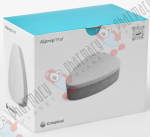
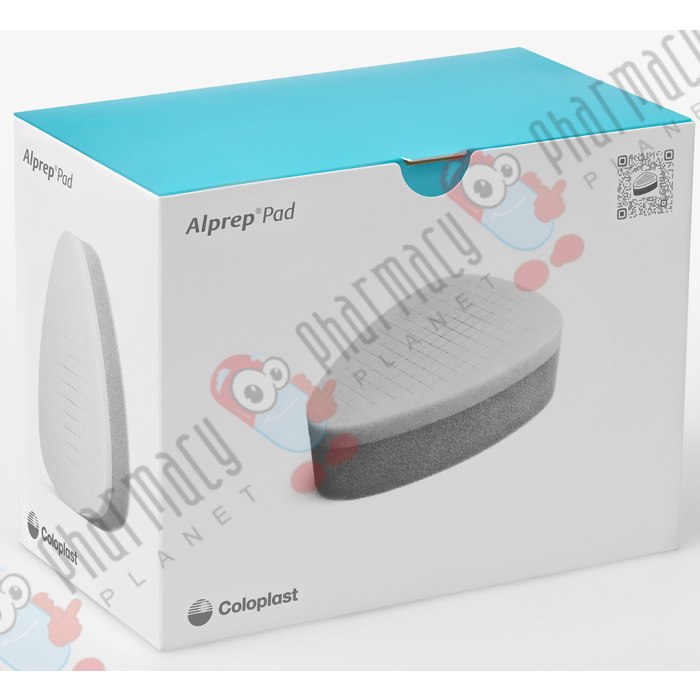
The Alprep Pad is a two-in-one cleansing and debridement tool, commonly used by clinicians for its effectiveness and convenience of use. It is suitable for a broad range of wounds, included those that are non-infected or wounds with suspected biofilm. The dark grey foam is for loosening and the light grey foam is for absorbing and capturing – loosen first or absorb first, depending on the wound. The special triangular shape and an ergonomic grip provides comfortable handling, ease of use and increased control, giving you flexibility to reach areas in the wound where debridement is needed. The specially designed packaging ensures convenient use, as the case can be used to hold and wet the pad.
the items you wish
to order
by our qualified
prescriber
to your door step
Please use the options provided to make your final selection.
Select your preferred options and see the best price
| Pack | Price (£) | ||
|---|---|---|---|
| - | 9cm x 7cm | 5 | 64.99 |
It looks like you missed filling in questions from the last consultation.Click Here to submit your response.
Alprep Debridement Pad | Mechanical Debridement Pad for Wound Cleansing & Devitalised Tissue Removal
Removing devitalised tissue, slough, and biofilm from a wound surface is an important step in wound bed preparation and a key factor in helping chronic wounds progress toward healing. ALPREP Debridement Pad is a mechanical debridement tool used to cleanse and prepare the wound bed through gentle physical friction. The pad is made from monofilament polyester fibres that, when moistened with sterile saline or wound cleanser and applied with gentle circular motion, mechanically remove loosely adherent necrotic tissue, slough, fibrin, and biofilm from the wound surface. It contains no active chemical agents. Single use. No prescription is required.
What Is ALPREP Debridement Pad?
ALPREP Debridement Pad is a regulated Class IIa medical device from Lohmann and Rauscher. It is a wound preparation tool, not a wound dressing. It is used as a step in the wound assessment and dressing change process to cleanse the wound surface and remove loosely adherent devitalised material before the primary wound dressing is applied.
The pad is constructed from monofilament polyester fibres, individual continuous synthetic filaments woven into a soft pad structure. Monofilament fibres do not shed particles or filaments onto the wound surface during use, which is an important consideration for wound bed preparation tools. The pad has a slightly textured surface that creates the gentle friction needed for mechanical debridement without being abrasive to healthy wound tissue.
Mechanical debridement involves the physical removal of devitalised tissue and wound debris through friction, irrigation, or other mechanical means. It is distinguished from autolytic debridement (using the body's own processes, often facilitated by moisture-retaining dressings), enzymatic debridement (using chemical agents to break down tissue), and surgical or sharp debridement (using instruments). Mechanical debridement with a product such as ALPREP Debridement Pad is generally considered appropriate for loosely adherent material and biofilm rather than firmly adherent eschar or deep necrotic tissue.
ALPREP Debridement Pad is used across a range of wound types including chronic wounds with slough or fibrin deposits, wounds with biofilm, and wounds where surface debris is impeding assessment or healing. It is particularly useful as a routine step at each dressing change to maintain wound bed cleanliness.
ALPREP Debridement Pad is a wound preparation tool used before a dressing is applied. It is not used as a primary wound dressing and is not left in the wound. Do not use on wounds with fragile or newly forming granulation tissue or new epithelium where gentle friction could cause damage. Do not use on dry wounds, the pad must be adequately moistened before use. If in doubt about whether mechanical debridement is appropriate for a specific wound, seek clinical guidance from a tissue viability nurse or district nurse.
How Does ALPREP Debridement Pad Work?
Monofilament Fibre Construction
The pad is made from monofilament polyester fibres, single, continuous synthetic filaments rather than spun or multifilament fibres. Monofilament construction means the fibres do not shed particles into the wound during use. This is clinically important because fibre residue in a wound can act as a foreign body and impair healing. The monofilament surface creates a consistent texture that provides mechanical friction for debridement without leaving material behind.
Mechanical Debridement Mechanism
When the moistened pad is applied to the wound surface with gentle circular or back and forth motion, the textured monofilament surface physically dislodges and removes loosely adherent devitalised tissue, slough, fibrin deposits, wound debris, and biofilm. Biofilm is a community of microorganisms embedded in a protective matrix that adheres to the wound surface and is resistant to systemic antibiotics and topical antiseptics. Mechanical disruption of biofilm with a product such as ALPREP Debridement Pad is considered an important component of chronic wound management.
Wound Bed Preparation
The goal of wound bed preparation is to create conditions at the wound surface that support healing. Removing necrotic tissue, slough, and biofilm through mechanical debridement exposes healthy wound tissue, reduces the bacterial load at the wound surface, allows better assessment of the wound bed, and improves the performance of the primary dressing applied after debridement. ALPREP Debridement Pad is used as one component of wound bed preparation within a broader wound management plan.
Used Wet
ALPREP Debridement Pad must be moistened before use. Moistening the pad with sterile saline or an appropriate wound cleanser softens the pad, lubricates the wound surface, and prevents friction trauma. A dry pad applied to a wound would be excessively abrasive and could damage fragile wound tissue. Adequate moistening is essential for safe and effective use.
How to Use ALPREP Debridement Pad
Before Use
- Wash hands and use appropriate gloves.
- Prepare sterile saline or an appropriate wound cleanser.
- Remove the pad from its sterile packaging immediately before use.
Application
- Moisten the pad thoroughly with sterile saline or wound cleanser before applying it to the wound. The pad should be adequately saturated but not dripping.
- Apply the moistened pad to the wound surface using gentle circular or back and forth motion. Use light pressure, the aim is to dislodge loosely adherent debris, not to scrub firmly adherent tissue.
- Work across the wound surface systematically to ensure complete coverage of the wound bed.
- Use a fresh pad if additional cleaning passes are needed. Do not reuse the same pad on a wound after it has been used and set aside.
- After debridement, irrigate the wound surface with sterile saline to remove loosened debris.
- Assess the wound bed. Note the proportion of the wound that is covered by slough, granulation tissue, and epithelium after debridement.
- Apply the appropriate primary wound dressing after wound bed preparation is complete.
After Use
- ALPREP Debridement Pad is a single use product. Dispose of the used pad as clinical waste after each use. Do not reuse or resterilise.
- Do not reuse the pad on a different wound or on the same wound at a later time.
- Use gentle pressure only. ALPREP Debridement Pad is designed for loosely adherent devitalised tissue and biofilm. Do not attempt to debride firmly adherent eschar or deep necrotic tissue with this product, sharp or surgical debridement may be required for these situations. If the wound bleeds during use, stop and assess the wound. A small amount of pinpoint bleeding from healthy granulation tissue can occur with effective mechanical debridement but significant bleeding requires clinical assessment.
Size Available
ALPREP Debridement Pad — 9cm x 7cm
ALPREP Debridement Pad is available in a single size of 9cm x 7cm. This size provides adequate surface area for debridement of a wide range of wound sizes. For smaller wounds, use a section of the pad. For larger wounds, multiple passes with the pad or the use of more than one pad may be required to cover the entire wound surface during a single debridement session.
Safety Information and Precautions
Do Not Use ALPREP Debridement Pad On
- Wounds with fragile, newly formed granulation tissue or new epithelium where mechanical friction could disrupt the healing tissue.
- Dry wound surfaces - always moisten the pad and the wound surface adequately before use.
- Firmly adherent eschar or deep necrotic tissue - sharp debridement or another debridement method is required for these wound types.
- Wounds where the patient cannot tolerate the procedure due to pain or distress - seek clinical guidance on appropriate pain management or alternative debridement methods.
Precautions
- ALPREP Debridement Pad is a single use product. Do not reuse on the same wound or on a different wound.
- Use light pressure throughout. Aggressive scrubbing can damage healthy granulation tissue and delay healing.
- A small amount of pinpoint bleeding from healthy granulation tissue may occur during mechanical debridement. This is generally expected and acceptable. Significant or persistent bleeding requires immediate clinical assessment.
- After use, irrigate the wound to remove loosened debris before applying the primary dressing.
- Mechanical debridement is not appropriate for all wound types and stages. Seek clinical guidance if unsure.
Adverse Effects
- Discomfort or pain during use, particularly on sensitised or poorly perfused wounds. Consider pain management before debridement.
- Pinpoint bleeding from healthy granulation tissue - expected with effective mechanical debridement but monitor closely.
- Wound bed disruption if excessive pressure is used - use light pressure only.
Who Is ALPREP Debridement Pad Suitable For?
ALPREP Debridement Pad Is Suitable For Use On
- Chronic wounds with slough, fibrin deposits, or loosely adherent necrotic tissue as part of the wound bed preparation process at dressing changes
- Wounds with suspected or confirmed biofilm where mechanical disruption is part of the management strategy
- Acute wounds with surface debris or contamination requiring cleansing before dressing application
- Any wound where surface preparation before primary dressing application is clinically indicated and gentle mechanical debridement is appropriate
- Use by patients, carers, or healthcare professionals under clinical guidance
ALPREP Debridement Pad Is Not Suitable For
- Wounds with newly formed epithelium or fragile granulation tissue
- Dry, firmly adherent necrotic tissue or eschar
- Use without adequate moistening of the pad and wound surface
Where to Buy and How to Order
ALPREP Debridement Pad is a regulated medical device and does not require a prescription. It can be purchased directly through Pharmacy Planet without a clinical consultation. It is available in the single size of 9cm x 7cm.
Pharmacy Planet stocks ALPREP Debridement Pad alongside a comprehensive range of wound care products including dressings, wound cleansers, and other wound bed preparation tools. Our pharmacists can advise on wound management product selection.
For complex wounds, wounds not responding to treatment, or patients unsure whether mechanical debridement is appropriate for their wound, seek clinical assessment from a tissue viability nurse, district nurse, or GP.
Storage and Handling
- Store in a cool, dry place away from direct sunlight and moisture.
- Store below 25°C.
- Keep in the original sealed packaging until immediately before use.
- Each pad is individually sterile packed. Do not use if the packaging is damaged or compromised.
- Check the expiry date before use. Do not use after the expiry date.
- Once opened, use immediately. Do not store a used or opened pad.
- Keep out of the reach of children.
- Dispose of used pads as clinical waste in accordance with local guidelines.
Why Choose Pharmacy Planet?
Pharmacy Planet is a GPhC registered online pharmacy providing access to a comprehensive range of wound care products including ALPREP Debridement Pad alongside primary and secondary dressings, wound cleansers, and other wound bed preparation tools.
All products are genuine and sourced through regulated supply chains. Our pharmacists are available to advise on wound bed preparation approaches and complementary wound care products.
References
- Lohmann & Rauscher. ALPREP Debridement Pad — Instructions for Use. Lohmann & Rauscher GmbH & Co. KG. https://www.lohmann-rauscher.com. Accessed May 2026.
- Wounds UK. Best Practice Statement: Debridement of hard-to-heal wounds. https://www.wounds-uk.com. Accessed May 2026.
- National Institute for Health and Care Excellence (NICE). Wound care products — Drug Tariff prescribing and selection. https://www.nice.org.uk. Accessed May 2026.
- International Wound Infection Institute (IWII). Wound infection in clinical practice: principles of best practice. https://www.woundinfection-institute.com. Accessed May 2026.
Removing devitalised tissue, slough, and biofilm from a wound surface is an important step in wound bed preparation and a key factor in helping chronic wounds progress toward healing. ALPREP Debridement Pad is a mechanical debridement tool used to cleanse and prepare the wound bed through gentle physical friction. The pad is made from monofilament polyester fibres that, when moistened with sterile saline or wound cleanser and applied with gentle circular motion, mechanically remove loosely adherent necrotic tissue, slough, fibrin, and biofilm from the wound surface. It contains no active chemical agents. Single use. No prescription is required.
ALPREP Debridement Pad is a regulated Class IIa medical device from Lohmann and Rauscher. It is a wound preparation tool, not a wound dressing. It is used as a step in the wound assessment and dressing change process to cleanse the wound surface and remove loosely adherent devitalised material before the primary wound dressing is applied.
The pad is constructed from monofilament polyester fibres, individual continuous synthetic filaments woven into a soft pad structure. Monofilament fibres do not shed particles or filaments onto the wound surface during use, which is an important consideration for wound bed preparation tools. The pad has a slightly textured surface that creates the gentle friction needed for mechanical debridement without being abrasive to healthy wound tissue.
Mechanical debridement involves the physical removal of devitalised tissue and wound debris through friction, irrigation, or other mechanical means. It is distinguished from autolytic debridement (using the body's own processes, often facilitated by moisture-retaining dressings), enzymatic debridement (using chemical agents to break down tissue), and surgical or sharp debridement (using instruments). Mechanical debridement with a product such as ALPREP Debridement Pad is generally considered appropriate for loosely adherent material and biofilm rather than firmly adherent eschar or deep necrotic tissue.
ALPREP Debridement Pad is used across a range of wound types including chronic wounds with slough or fibrin deposits, wounds with biofilm, and wounds where surface debris is impeding assessment or healing. It is particularly useful as a routine step at each dressing change to maintain wound bed cleanliness.
ALPREP Debridement Pad is a wound preparation tool used before a dressing is applied. It is not used as a primary wound dressing and is not left in the wound. Do not use on wounds with fragile or newly forming granulation tissue or new epithelium where gentle friction could cause damage. Do not use on dry wounds, the pad must be adequately moistened before use. If in doubt about whether mechanical debridement is appropriate for a specific wound, seek clinical guidance from a tissue viability nurse or district nurse.
Monofilament Fibre Construction
The pad is made from monofilament polyester fibres, single, continuous synthetic filaments rather than spun or multifilament fibres. Monofilament construction means the fibres do not shed particles into the wound during use. This is clinically important because fibre residue in a wound can act as a foreign body and impair healing. The monofilament surface creates a consistent texture that provides mechanical friction for debridement without leaving material behind.
Mechanical Debridement Mechanism
When the moistened pad is applied to the wound surface with gentle circular or back and forth motion, the textured monofilament surface physically dislodges and removes loosely adherent devitalised tissue, slough, fibrin deposits, wound debris, and biofilm. Biofilm is a community of microorganisms embedded in a protective matrix that adheres to the wound surface and is resistant to systemic antibiotics and topical antiseptics. Mechanical disruption of biofilm with a product such as ALPREP Debridement Pad is considered an important component of chronic wound management.
Wound Bed Preparation
The goal of wound bed preparation is to create conditions at the wound surface that support healing. Removing necrotic tissue, slough, and biofilm through mechanical debridement exposes healthy wound tissue, reduces the bacterial load at the wound surface, allows better assessment of the wound bed, and improves the performance of the primary dressing applied after debridement. ALPREP Debridement Pad is used as one component of wound bed preparation within a broader wound management plan.
Used Wet
ALPREP Debridement Pad must be moistened before use. Moistening the pad with sterile saline or an appropriate wound cleanser softens the pad, lubricates the wound surface, and prevents friction trauma. A dry pad applied to a wound would be excessively abrasive and could damage fragile wound tissue. Adequate moistening is essential for safe and effective use.
Before Use
- Wash hands and use appropriate gloves.
- Prepare sterile saline or an appropriate wound cleanser.
- Remove the pad from its sterile packaging immediately before use.
Application
- Moisten the pad thoroughly with sterile saline or wound cleanser before applying it to the wound. The pad should be adequately saturated but not dripping.
- Apply the moistened pad to the wound surface using gentle circular or back and forth motion. Use light pressure, the aim is to dislodge loosely adherent debris, not to scrub firmly adherent tissue.
- Work across the wound surface systematically to ensure complete coverage of the wound bed.
- Use a fresh pad if additional cleaning passes are needed. Do not reuse the same pad on a wound after it has been used and set aside.
- After debridement, irrigate the wound surface with sterile saline to remove loosened debris.
- Assess the wound bed. Note the proportion of the wound that is covered by slough, granulation tissue, and epithelium after debridement.
- Apply the appropriate primary wound dressing after wound bed preparation is complete.
After Use
- ALPREP Debridement Pad is a single use product. Dispose of the used pad as clinical waste after each use. Do not reuse or resterilise.
- Do not reuse the pad on a different wound or on the same wound at a later time.
- Use gentle pressure only. ALPREP Debridement Pad is designed for loosely adherent devitalised tissue and biofilm. Do not attempt to debride firmly adherent eschar or deep necrotic tissue with this product, sharp or surgical debridement may be required for these situations. If the wound bleeds during use, stop and assess the wound. A small amount of pinpoint bleeding from healthy granulation tissue can occur with effective mechanical debridement but significant bleeding requires clinical assessment.
ALPREP Debridement Pad — 9cm x 7cm
ALPREP Debridement Pad is available in a single size of 9cm x 7cm. This size provides adequate surface area for debridement of a wide range of wound sizes. For smaller wounds, use a section of the pad. For larger wounds, multiple passes with the pad or the use of more than one pad may be required to cover the entire wound surface during a single debridement session.
Do Not Use ALPREP Debridement Pad On
- Wounds with fragile, newly formed granulation tissue or new epithelium where mechanical friction could disrupt the healing tissue.
- Dry wound surfaces - always moisten the pad and the wound surface adequately before use.
- Firmly adherent eschar or deep necrotic tissue - sharp debridement or another debridement method is required for these wound types.
- Wounds where the patient cannot tolerate the procedure due to pain or distress - seek clinical guidance on appropriate pain management or alternative debridement methods.
Precautions
- ALPREP Debridement Pad is a single use product. Do not reuse on the same wound or on a different wound.
- Use light pressure throughout. Aggressive scrubbing can damage healthy granulation tissue and delay healing.
- A small amount of pinpoint bleeding from healthy granulation tissue may occur during mechanical debridement. This is generally expected and acceptable. Significant or persistent bleeding requires immediate clinical assessment.
- After use, irrigate the wound to remove loosened debris before applying the primary dressing.
- Mechanical debridement is not appropriate for all wound types and stages. Seek clinical guidance if unsure.
Adverse Effects
- Discomfort or pain during use, particularly on sensitised or poorly perfused wounds. Consider pain management before debridement.
- Pinpoint bleeding from healthy granulation tissue - expected with effective mechanical debridement but monitor closely.
- Wound bed disruption if excessive pressure is used - use light pressure only.
ALPREP Debridement Pad Is Suitable For Use On
- Chronic wounds with slough, fibrin deposits, or loosely adherent necrotic tissue as part of the wound bed preparation process at dressing changes
- Wounds with suspected or confirmed biofilm where mechanical disruption is part of the management strategy
- Acute wounds with surface debris or contamination requiring cleansing before dressing application
- Any wound where surface preparation before primary dressing application is clinically indicated and gentle mechanical debridement is appropriate
- Use by patients, carers, or healthcare professionals under clinical guidance
ALPREP Debridement Pad Is Not Suitable For
- Wounds with newly formed epithelium or fragile granulation tissue
- Dry, firmly adherent necrotic tissue or eschar
- Use without adequate moistening of the pad and wound surface
ALPREP Debridement Pad is a regulated medical device and does not require a prescription. It can be purchased directly through Pharmacy Planet without a clinical consultation. It is available in the single size of 9cm x 7cm.
Pharmacy Planet stocks ALPREP Debridement Pad alongside a comprehensive range of wound care products including dressings, wound cleansers, and other wound bed preparation tools. Our pharmacists can advise on wound management product selection.
For complex wounds, wounds not responding to treatment, or patients unsure whether mechanical debridement is appropriate for their wound, seek clinical assessment from a tissue viability nurse, district nurse, or GP.
- Store in a cool, dry place away from direct sunlight and moisture.
- Store below 25°C.
- Keep in the original sealed packaging until immediately before use.
- Each pad is individually sterile packed. Do not use if the packaging is damaged or compromised.
- Check the expiry date before use. Do not use after the expiry date.
- Once opened, use immediately. Do not store a used or opened pad.
- Keep out of the reach of children.
- Dispose of used pads as clinical waste in accordance with local guidelines.
Pharmacy Planet is a GPhC registered online pharmacy providing access to a comprehensive range of wound care products including ALPREP Debridement Pad alongside primary and secondary dressings, wound cleansers, and other wound bed preparation tools.
All products are genuine and sourced through regulated supply chains. Our pharmacists are available to advise on wound bed preparation approaches and complementary wound care products.
References
- Lohmann & Rauscher. ALPREP Debridement Pad — Instructions for Use. Lohmann & Rauscher GmbH & Co. KG. https://www.lohmann-rauscher.com. Accessed May 2026.
- Wounds UK. Best Practice Statement: Debridement of hard-to-heal wounds. https://www.wounds-uk.com. Accessed May 2026.
- National Institute for Health and Care Excellence (NICE). Wound care products — Drug Tariff prescribing and selection. https://www.nice.org.uk. Accessed May 2026.
- International Wound Infection Institute (IWII). Wound infection in clinical practice: principles of best practice. https://www.woundinfection-institute.com. Accessed May 2026.
ALPREP Debridement Pad is a mechanical debridement tool used to cleanse the wound surface and remove loosely adherent devitalised tissue, slough, fibrin, debris, and biofilm before applying a primary wound dressing. It is a wound preparation tool, not a wound dressing. The pad is made from monofilament polyester fibres that mechanically dislodge wound surface debris when moistened and applied with gentle friction. It is a Class IIa medical device and does not require a prescription.
Moisten the pad thoroughly with sterile saline or wound cleanser before use. Never apply it dry. Apply the moistened pad to the wound surface using gentle circular or back and forth motion with light pressure. Work systematically across the wound bed to cover the entire wound surface. After debridement, irrigate the wound with sterile saline to remove loosened debris, then apply the appropriate wound dressing. Use a fresh pad for each wound and each dressing change. Dispose of the used pad as clinical waste.
Biofilm is a community of microorganisms, typically bacteria, embedded in a self-produced protective matrix that adheres firmly to the wound surface. Biofilm is resistant to systemic antibiotics and topical antiseptics, making it a significant barrier to chronic wound healing. Mechanical disruption of biofilm using a debridement pad such as ALPREP is considered an important component of chronic wound management. The monofilament fibres physically disrupt and dislodge the biofilm matrix from the wound surface, reducing the microbial burden and improving the wound environment for healing.
ALPREP Debridement Pad can be used at home by patients or carers managing chronic wounds under clinical supervision. Before using it at home for the first time, seek guidance from a tissue viability nurse, district nurse, or healthcare professional on whether mechanical debridement is appropriate for the specific wound and on the correct technique. Not all wounds are suitable for mechanical debridement and incorrect technique can cause harm. Regular clinical assessment of the wound should continue alongside home wound care.
Mechanical debridement involves physical removal of devitalised tissue and wound debris through friction or irrigation - ALPREP Debridement Pad uses this approach. Autolytic debridement uses the body's own enzymes and moisture, facilitated by moisture-retaining dressings such as hydrocolloids or hydrogels, to gradually break down and reabsorb devitalised tissue over time. Mechanical debridement provides more immediate removal of surface debris and biofilm, while autolytic debridement is slower and more selective. Both approaches may be used as part of a comprehensive wound management plan.
ALPREP Debridement Pad is typically used at each dressing change as part of the wound bed preparation process. The frequency of use therefore depends on the dressing change frequency, which varies based on the wound type, exudate level, and clinical wound management plan. For routine chronic wound management, debridement at each dressing change is commonly recommended to maintain wound bed cleanliness and manage biofilm. Your tissue viability nurse or district nurse can advise on the most appropriate frequency for your specific wound.
Mechanical debridement with ALPREP Debridement Pad can be used as part of the management of infected wounds to reduce surface bioburden and biofilm. However, ALPREP Debridement Pad contains no antimicrobial agent and mechanical debridement alone is not a treatment for wound infection. Infected wounds require appropriate antimicrobial management, which may include topical antimicrobial dressings and potentially systemic antibiotic therapy. If a wound is infected, seek clinical assessment to determine the most appropriate management approach.
No. ALPREP Debridement Pad is a regulated Class IIa medical device and does not require a prescription. It can be purchased directly from Pharmacy Planet without a clinical consultation. It is available in the single size of 9cm x 7cm. For patients unsure whether mechanical debridement is appropriate for their wound, or for complex or non-healing wounds, seek clinical guidance from a tissue viability nurse, district nurse, or GP before use.

clinical consultation
Answer a few questions on your health and your fitness goals.

assessment
Our clinicians will review your clinical questionnaire to make sure treatment is right for you.

aboard!
Once approved, you will access our wealth of experience and resources curated by our team and begin your clinical journey.
Start your journey with us
Need Help?

Start your weight loss journey heading in the right direction. Our team are here to help. Whether you’re unsure about which medicine is right for you or need help navigating the world of weight loss drugs, our team are on hand to help you make the right decision. We can put you in touch with one of our experienced weight loss clinicians so you can be sure you’re making the best decision with the most accurate information.
To get in touch, contact our Customer Service team on 0800 978 8956 or email headoffice@pharmacyplanet.com.

Review By
GURDEV SEHMI
Last Updated On : Mar 13 2026
BSc Pharm, MRPharmS, Independent Prescriber, Superintendent Pharmacist, Clinical Lead
GPhC Number: 2050925

Authored By
GURDEV SEHMI
Last Reviewed On : Mar 23 2026
BSc Pharm, MRPharmS, Independent Prescriber, Superintendent Pharmacist, Clinical Lead
GPhC Number: 2050925